 English
 русский
 Español
 عربى
عربى


Global Labeling Machinery Industry Trends & Market Outlook 2026
2026-07-01
The global labeling machinery sector enters 2026 undergoing profound structural upgrades, with three core forces reshaping market demand, equipment R&D and production standards: intelligent automation, sustainability compliance, and cross-industry flexible production requirements. Market research data shows the worldwide labeling machine market reached USD 5.53 billion in 2025, and is forecast to hit USD 9.2 billion by 2034 at a compound annual growth rate of 5.8%.
Automatic labeling equipment retains absolute market dominance, contributing 62.3% of total industry revenue. Food & beverage remains the largest downstream application segment, accounting for 35.2% of equipment procurement volume, followed by pharmaceuticals, cosmetics and logistics warehousing. The Asia-Pacific region stands as the primary growth engine, holding 42.1% of global market share, fueled by booming e-commerce parcel sorting, domestic consumer goods manufacturing and rising factory automation transformation across emerging markets.
1. AI & IoT Smart Labeling Systems Become Standard Configuration
Industry 4.0 digital transformation has become a mandatory upgrade direction for new labeling lines. Over 41% of newly launched labeling machines in 2026 are equipped with IoT modules, supporting real-time operational data monitoring, remote fault diagnosis and predictive maintenance to cut unplanned downtime by nearly 30%. AI visual inspection technology is widely embedded in high-precision labeling units, automatically correcting label offset, detecting missing labels and verifying barcode serial numbers. This intelligent vision system reduces labeling error rates by up to 36%, perfectly matching strict serialization traceability rules in the pharmaceutical industry required by global GS1 standards.
Modular design is another mainstream technical evolution. Modern labeling production lines adopt split functional modules for bottle wrapping, flat carton top labeling, side labeling and print-apply integration. Manufacturers can freely combine modules to switch between multiple product specifications within 5–10 minutes, greatly adapting to small-batch, personalized customized packaging orders popular in D2C e-commerce brands.
2. Sustainable Labeling Equipment Driven by Global Environmental Regulations
Global packaging waste policies, represented by the EU PPWR regulation, push the whole labeling machinery industry to develop eco-friendly compatible equipment. Around 41% of new labeling devices launched this year support linerless label application, biodegradable adhesive matching and low-energy operation modes, cutting power consumption during standby status by more than 28%.
Traditional pressure-sensitive labeling machines previously faced recycling bottlenecks caused by mixed-material label liners. Current R&D focuses on washable adhesive matching structures and ultra-thin film labeling mechanisms, solving the cross-contamination problem of plastic packaging recycling. Meanwhile, sleeve labeling machines with monomaterial matching capacity gain growing favor among beverage and daily chemical manufacturers, as their labels can be fully recycled together with containers without material separation processing.
3. E-commerce & Logistics Segments Create New High-Speed Labeling Demand
The explosive growth of global parcel distribution generates a brand-new demand track for print-and-apply labeling systems. Unlike product packaging labeling for factories, logistics labeling equipment needs to handle irregular carton surfaces, variable shipping information and ultra-high line speeds. Industry statistics reveal demand for logistics dedicated high-speed label applicators grows at a CAGR of 6.2% from 2026 to 2034, far exceeding traditional consumer goods labeling equipment growth speed.
Warehouse integrated labeling machines are designed to connect seamlessly with warehouse management systems (WMS), automatically printing order information, anti-counterfeiting QR codes and logistics tracking marks in one workflow. Compact mobile semi-automatic labeling units also see rising adoption among small and medium-sized e-commerce warehouses, featuring small footprint, easy movement and low capital investment threshold.
Industry Future Outlook
In the next decade, the labeling machinery industry will keep merging mechanical structure, digital software and environmental material matching technologies. Two major development directions will stand out: first, all-in-one intelligent labeling production lines integrating printing, labeling, inspection and rejection; second, low-carbon equipment fully compatible with circular economy packaging materials. Regional market differentiation will also deepen: European and American markets prioritize high-end customized smart systems and sustainability certification, while Asia-Pacific markets maintain large-volume demand for cost-effective modular automatic labeling machines.
Regulatory traceability requirements across food, medicine and import-export industries will continuously lift the technical threshold of labeling equipment. Manufacturers that fail to equip visual inspection and data recording functions will gradually lose market competitiveness. As supply chain automation penetrates deeper, labeling machines will evolve from independent packaging equipment to core nodes of full digital production lines, bringing long-term stable growth space to the whole industry.
related products
-
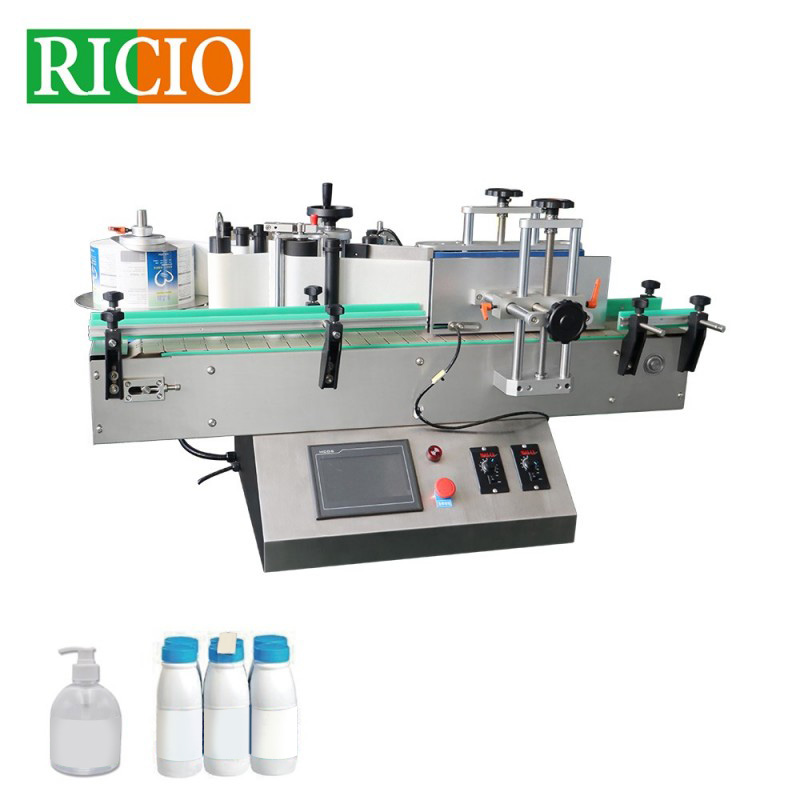
Automatic Round Bottle Tabletop Labeling Machine
-
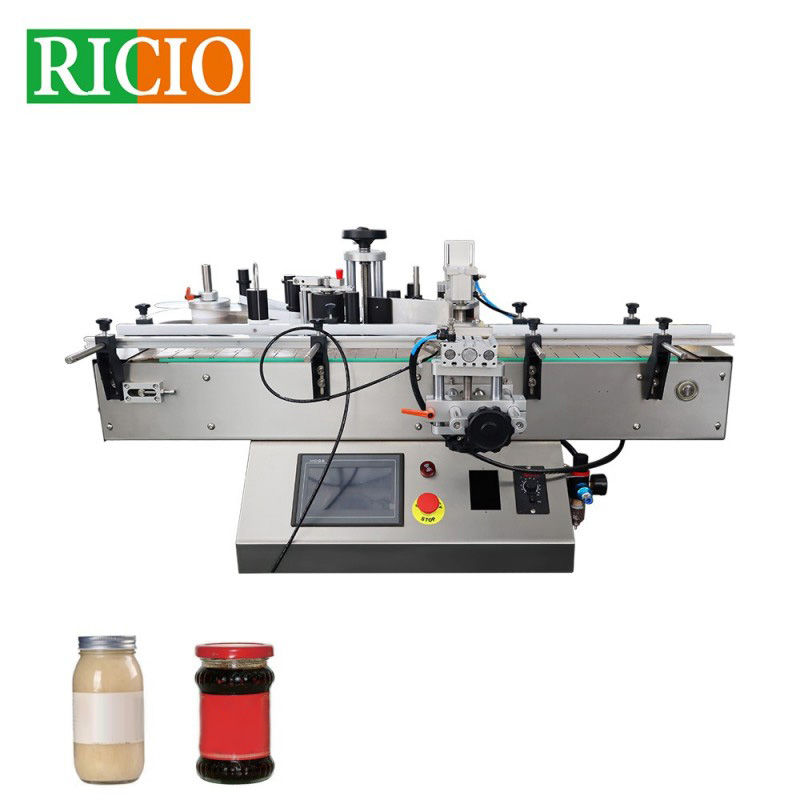
Automatic Round Bottle Positioning Tabletop Labeling Machine
-
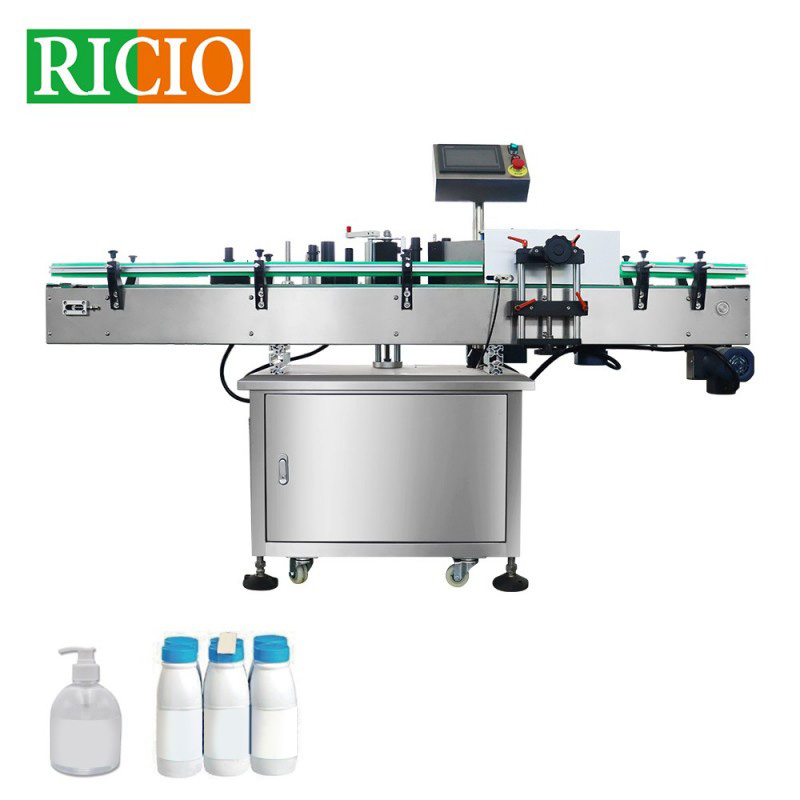
Automatic Round Bottle Labeling Machine
-
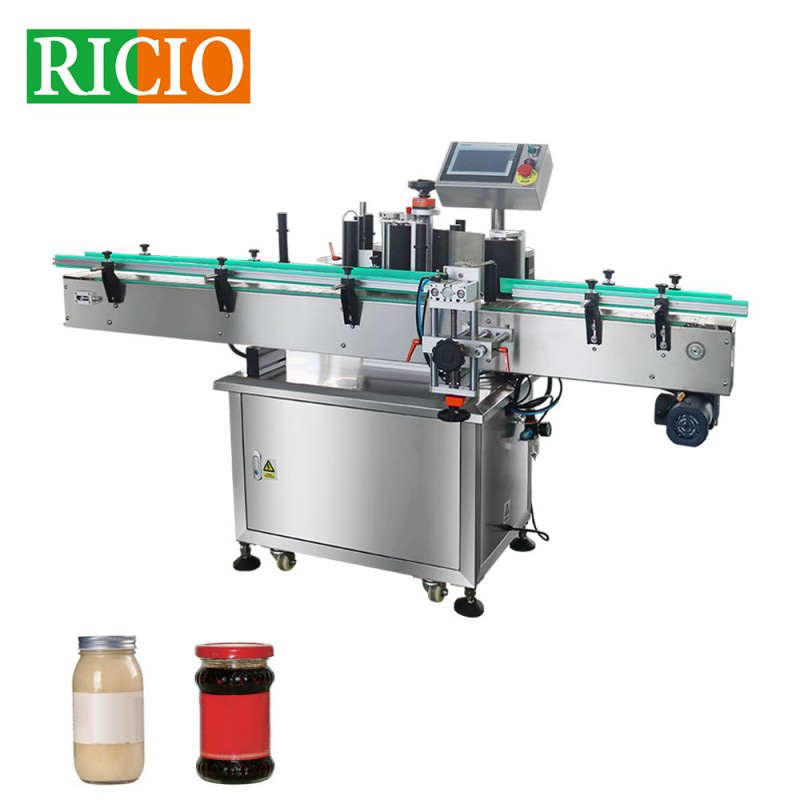
Automatic Round Bottle Positioning Labeling Machine
-
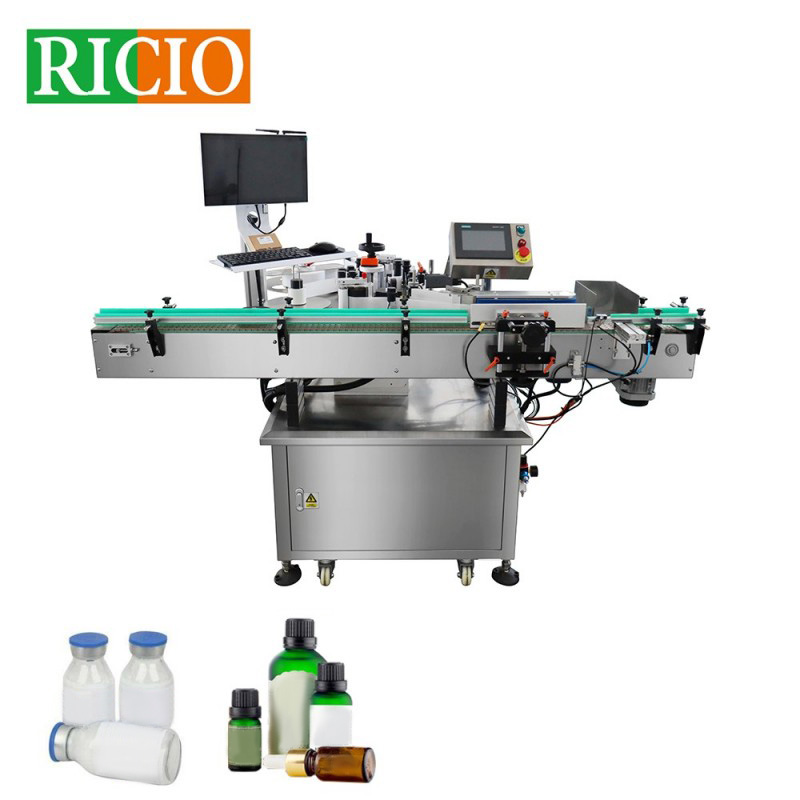
Automatic High Speed Vertical Round Bottle Labeling Machine
-
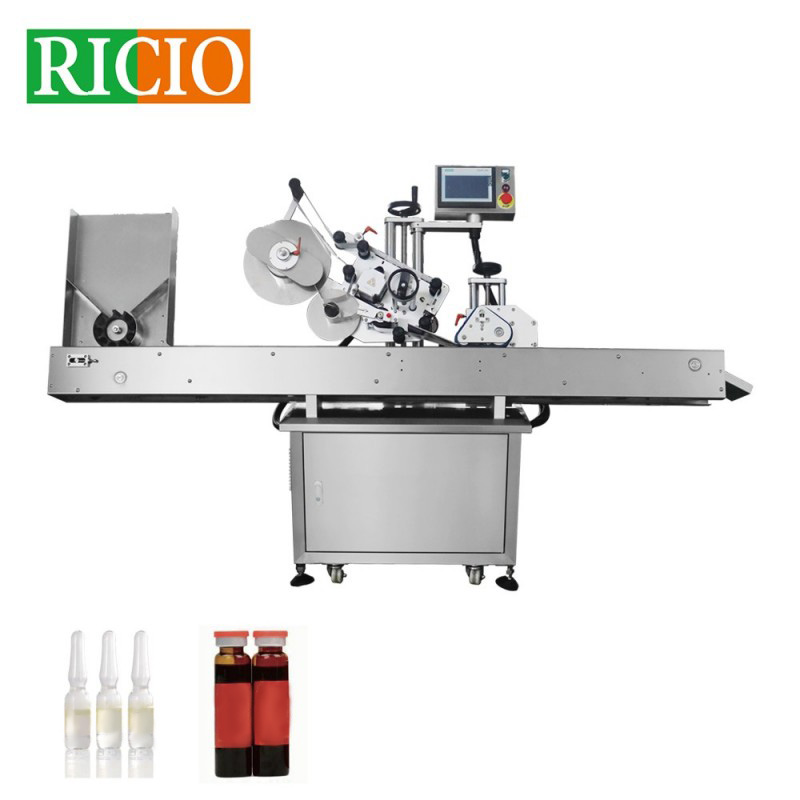
Horizontal Automatic Small Bottle Labeling Machine
-
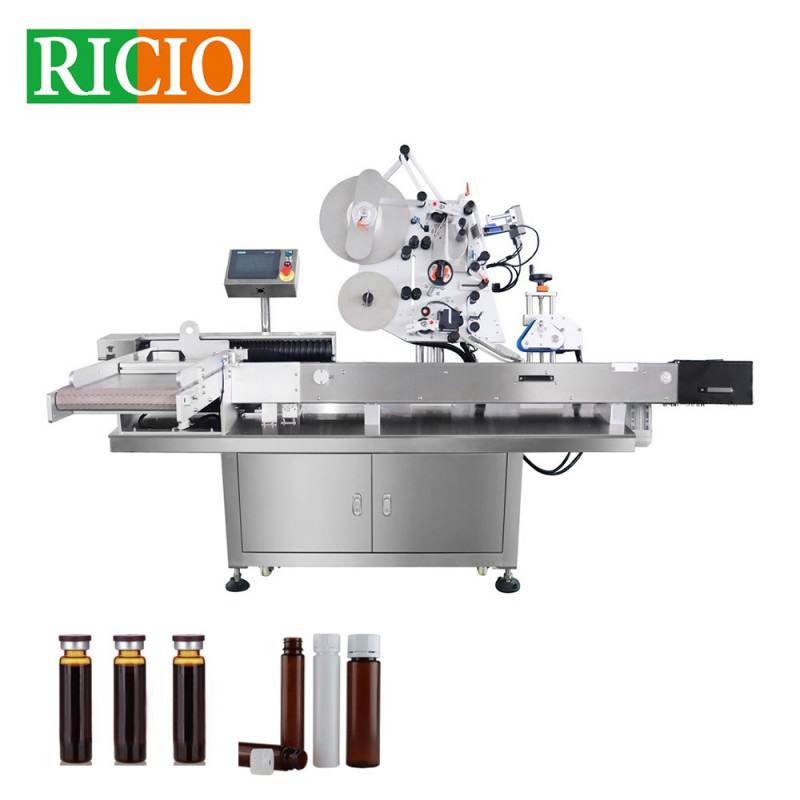
Horizontal Automatic Tube Labeling Machine
-
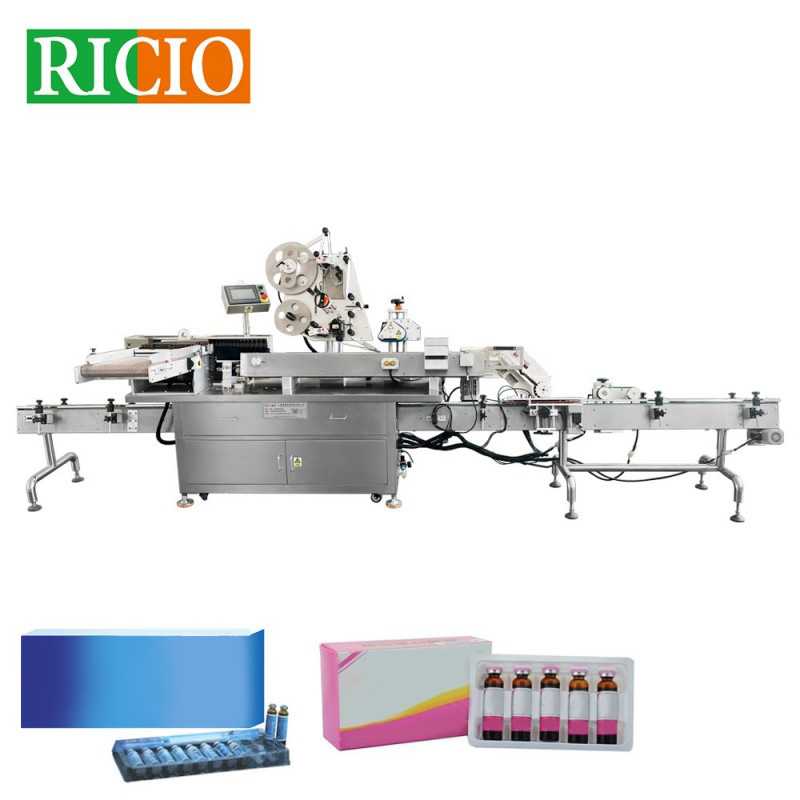
Horizontal Automatic Vial Labeling Machine for Tray
 +86 13681850339
 sales@raxpack.com
 Building 6, No. 477 Tiefeng Road, Baoshan District, Shanghai, China
- Tabletop Labeling Machine
- Round Bottle Labeling Machine
- Automatic Tube Labeling Machine
- Pouch Labeling Machine
- Rotary Labeling Machine
- Syringe Labeling Machine
- Top Labeling Machine
- Single Side Sticker Labeling Machine
- Double Side Labeling Machine
- Bucket Labeling Machine
- Bottom Labeling Machine
- Corner Label Applicator
- Waist Sealing Labeling Machine
- Square Bottle Labeling Machine
