 English
 русский
 Español
 عربى
عربى






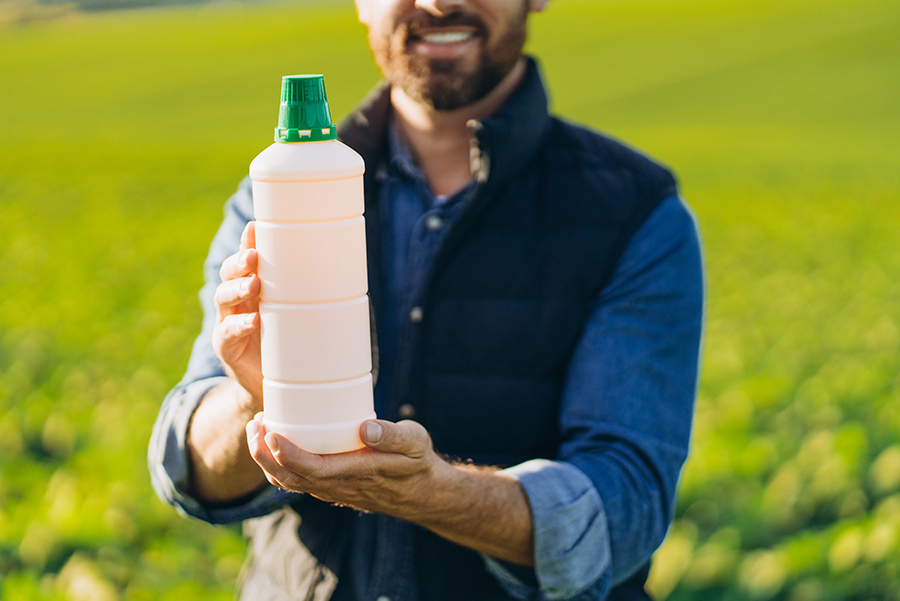
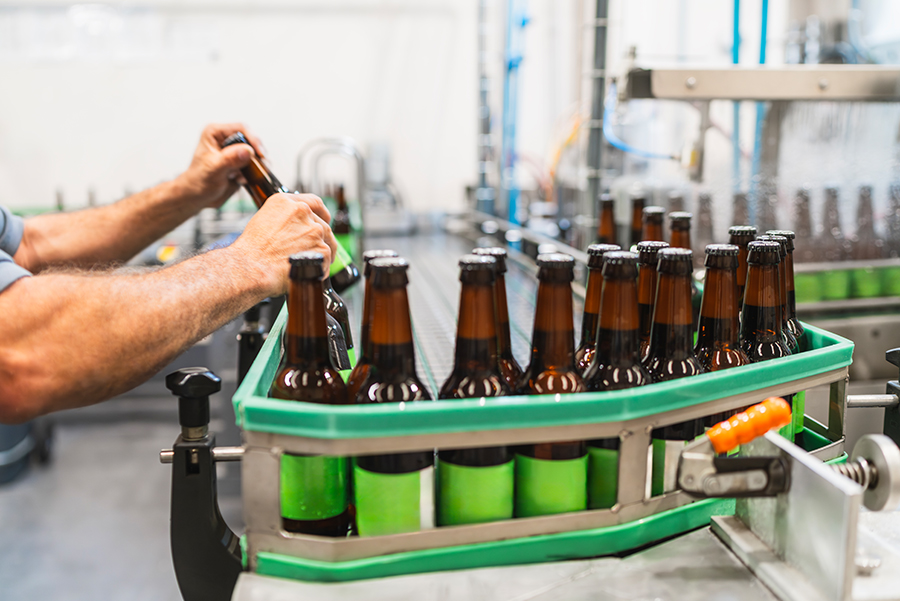
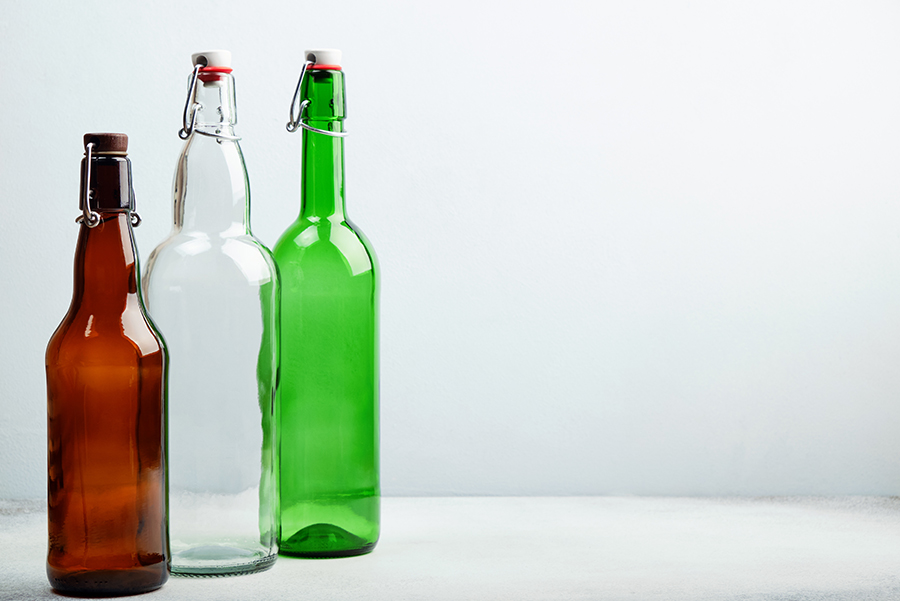
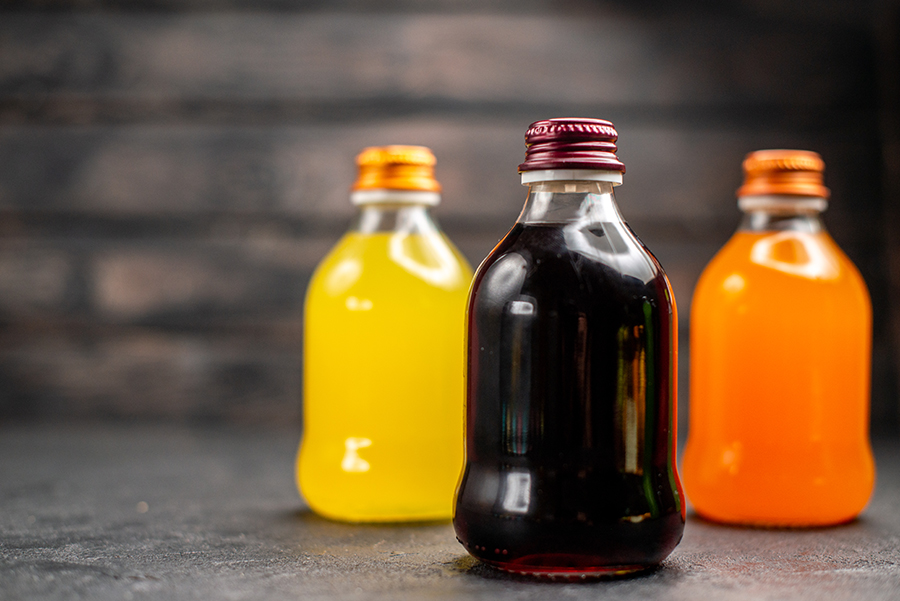
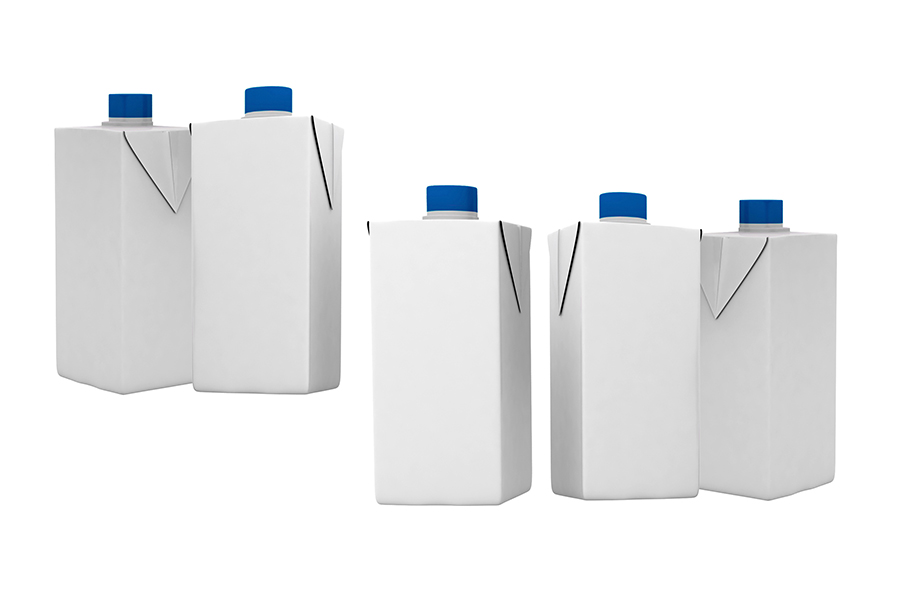
Beverage
Automatic labeling machines serve as core automated production equipment in the beverage industry, directly determining product appearance, production capacity and compliance. Nevertheless, actual labeling operations are restricted by multiple factors with prominent pain points.
Application Use in
Related Videos
-
Shanxi Two-Story Building Food Co., Ltd. – Fully Automatic Horizontal Labeling Machine (Fruit & Vegetable Beverages)
-
Mengniu Dairy Milk Trial Packaging
-
Shanxi Two-Story Building Food Co., Ltd. – Fully Automatic Horizontal Labeling Machine (Fruit & Vegetable Beverages)
-
Mengniu Dairy Milk Trial Packaging
 +86 13681850339
 sales@raxpack.com
 Building 6, No. 477 Tiefeng Road, Baoshan District, Shanghai, China
Overview
Labeling Machine
- Tabletop Labeling Machine
- Round Bottle Labeling Machine
- Automatic Tube Labeling Machine
- Pouch Labeling Machine
- Rotary Labeling Machine
- Syringe Labeling Machine
- Top Labeling Machine
- Single Side Sticker Labeling Machine
- Double Side Labeling Machine
- Bucket Labeling Machine
- Bottom Labeling Machine
- Corner Label Applicator
- Waist Sealing Labeling Machine
- Square Bottle Labeling Machine
Support
Custom label machines for sale
China best labeling machine
Copyright © Shanghai RICIO Packaging Technology Co., Ltd. All rights reserved.
