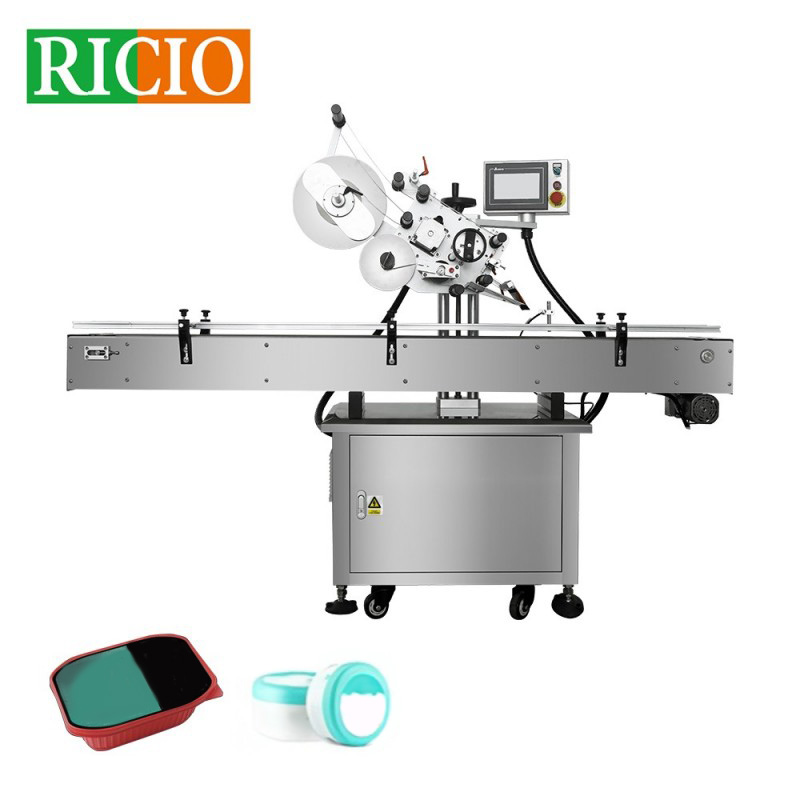
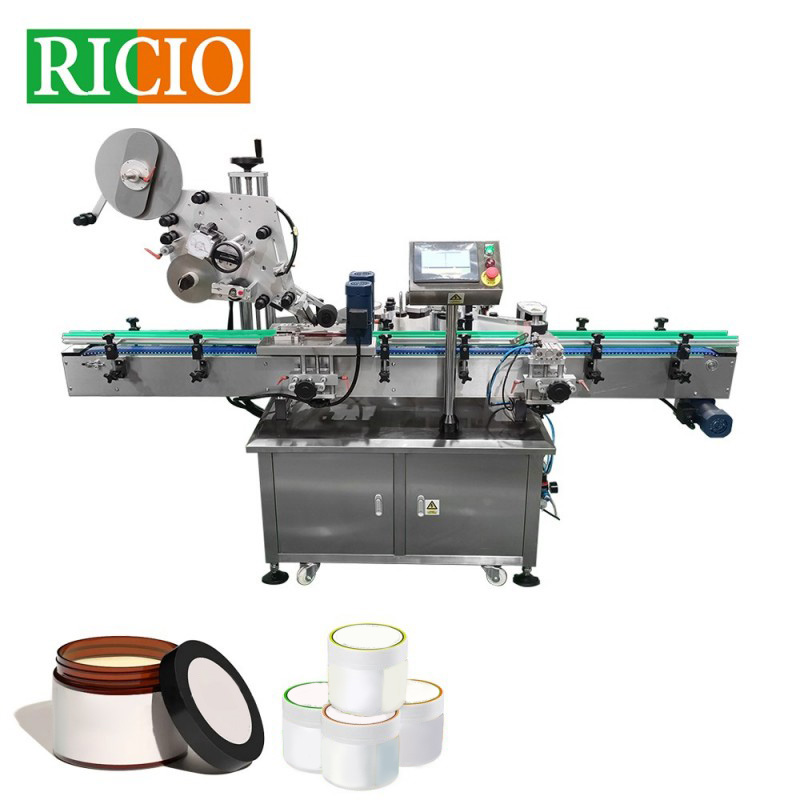
Top labeling machine according to the principle of automatic labeling and technical requirements for special design and manufacture. Especially suitable for small round bottle surface labeling; has a compact structure, light weight, simple operation, reliable operation, easy maintenance, fast labeling speed, labeling smooth and beautiful adaptability and other advantages, is the modern labeling machinery in the best.
RICIO
Shanghai Ruixiao Packaging Technology Co., Ltd.
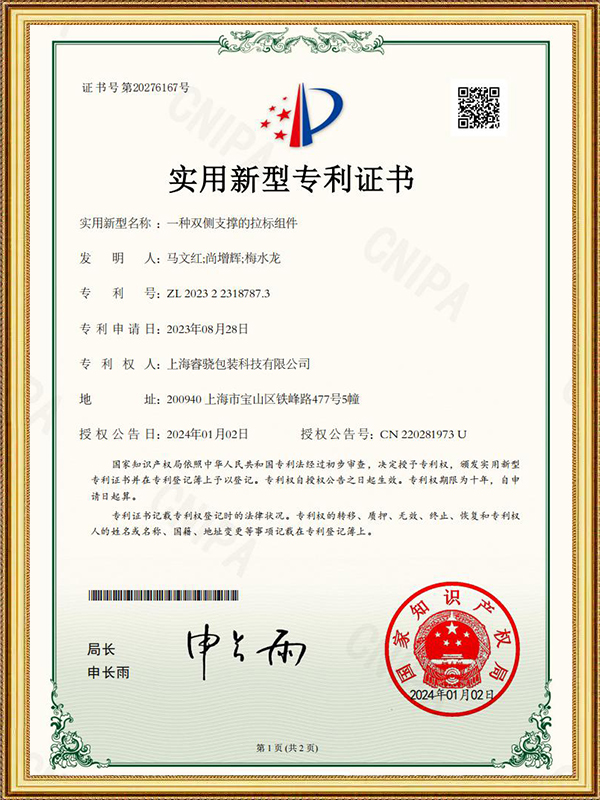
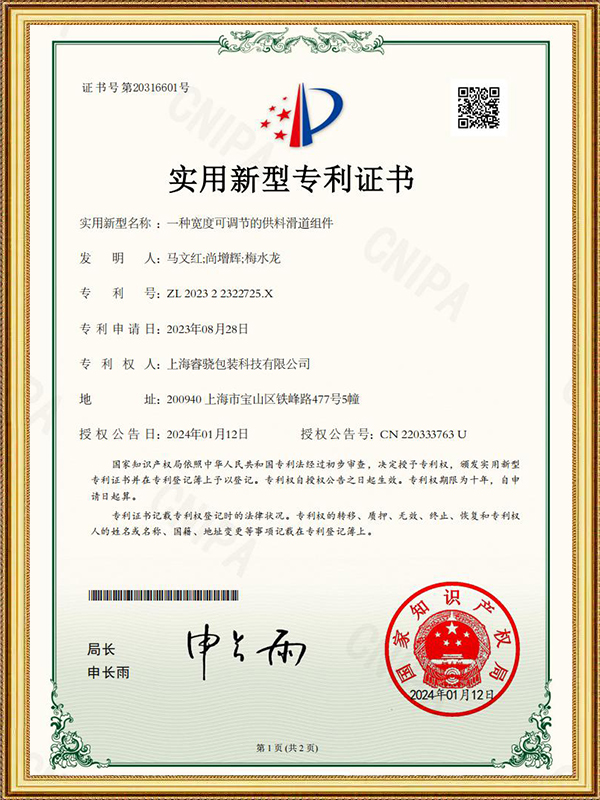
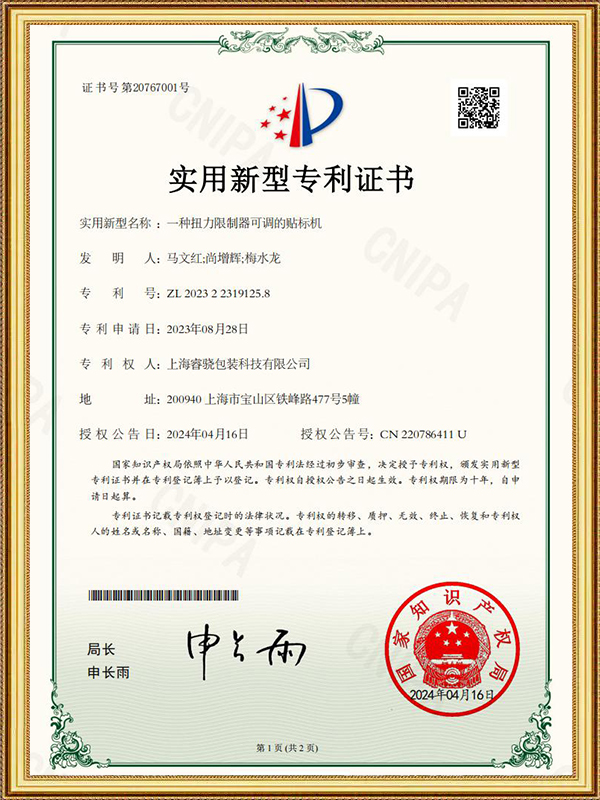
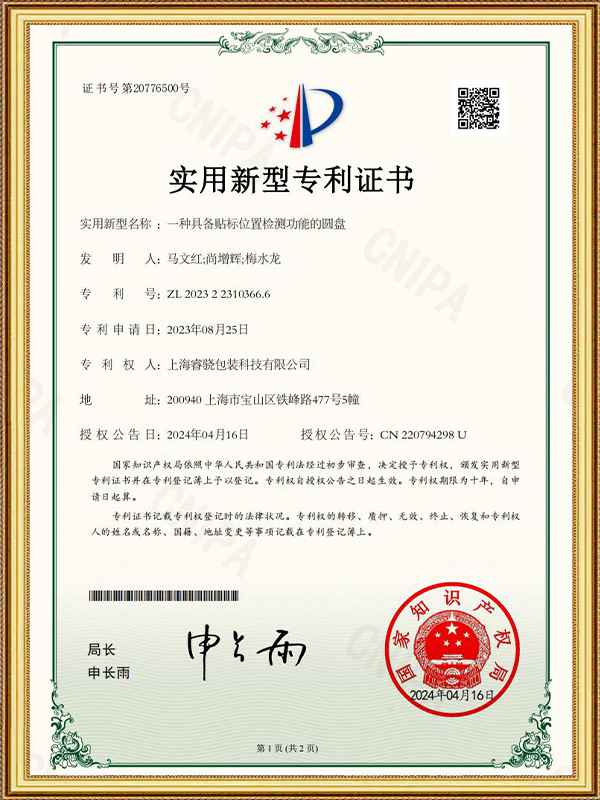
As China OEM Top Labeling Machine Manufacturer and ODM Top Labeling Machine Supplier, RICIO engages in the R&D and manufacturing of labeling machinery and is headquartered in Shanghai, China. RICIO's manufacturing foundation stems from the strategic acquisition of Shanghai Zhenbao Machinery Parts Factory, a well-established local machining enterprise. This integration has transformed us from a simple equipment assembler into a source manufacturer with in-house precision machining capabilities.
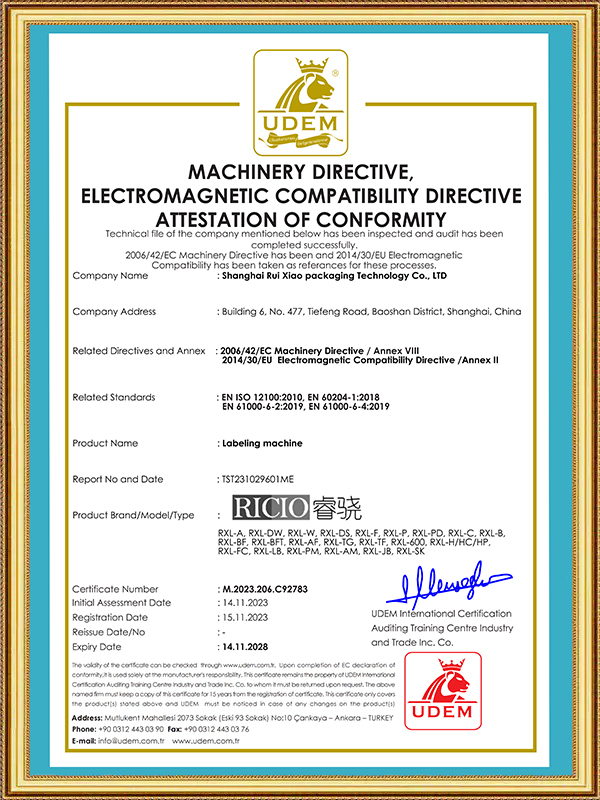
We are equipped with multiple CNC machining centers and an experienced technical team. From core component machining to complete machine assembly and commissioning, the entire process strictly adheres to the ISO 9001 international quality system, ensuring that every machine we deliver is built with a foundation of stable and reliable operation.
The direct conclusion: In-line print and apply labeling delivers the highest labeling accuracy and speed for variable-data packaging lines. When a packaging line must apply unique barcodes, lot numbers, expiration dates, or shipping labels without stopping, an in-line print-and-apply system is the ...
Why Coding on Bottle Labels Demands Precision Machinery
Coding directly onto bottle labels – not the bottle itself – has become the preferred method for beverage, pharmaceutical, and cosmetic manufacturers who need high-contrast, scannable date codes, lot numbers, and barcodes. Unlike direct‑to‑con...
What Is an Automatic Box Labeling Machine – And Why You Need One
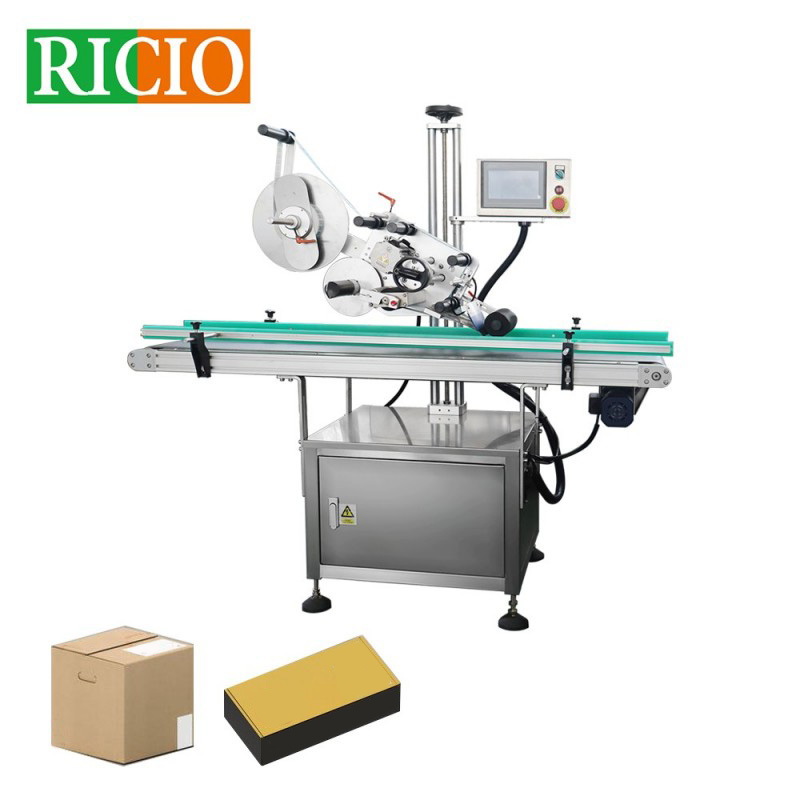
An automatic box labeling machine is a piece of packaging equipment designed to apply pressure‑sensitive labels onto corrugated cartons, cardboard boxes, and similar containers without manual intervention. It eliminates the inconsiste...
A top labeling machine is built to place labels onto the upper surface of a container or package with consistent position, angle, and pressure, and the category spans a wide range of equipment used across beverage, chemical, cosmetic, and food packaging lines. Rather than a single machine type, "top labeling" describes a labeling method, so the equipment covers flat-top and slightly domed surfaces, round and irregular containers, and both single-station and multi-station configurations. Understanding how these machines are built, sourced, and produced helps buyers judge what actually separates a reliable line from one that causes downtime.
Core Components That Define a Top Labeling Machine
At Shanghai RICIO Packaging Technology Co., Ltd, a top labeling machine is treated as an assembly of several interdependent systems rather than one unit, and how each system is sourced has a direct effect on how the finished machine performs on a real production floor.
Four categories of components tend to determine long-term reliability:
Transmission parts — govern how smoothly labels feed and how consistent the labeling cycle stays over long runs
Positioning modules — control where the label lands on the container, which is the single biggest factor in labeling accuracy
Structural frames — absorb vibration and keep alignment stable as line speed increases
Other key components — sensors, drives, and fittings that support the above three systems
These four categories are not treated equally in every workshop. Some manufacturers assemble machines from whatever parts are on hand, while others select suppliers deliberately for each category. This is where the sourcing approach behind a machine matters as much as the design drawing.
Conceptual overview: the four component categories are sourced with the same level of scrutiny rather than one strong area offsetting a weaker one.
Labeling accuracy is usually quoted as a single number, but it is really the outcome of a chain: mechanical tolerance, positioning repeatability, and how well the incoming parts match their spec sheet before assembly even starts. A frame that flexes slightly, or a positioning module built from an inconsistent batch of parts, will not hold its accuracy once the line runs for a full shift.
This is the reasoning behind sourcing critical transmission parts, positioning modules, and structural frames from well-known brands rather than mixed suppliers. When component precision is consistent from the start, the machine has a solid hardware foundation to work from — which is how Shanghai RICIO Packaging Technology Co., Ltd is able to hold ±0.5mm labeling accuracy on its equipment. All component procurement and incoming inspection follow the ISO 9001 quality management framework, so parts are checked before they ever reach the assembly line, not only after the machine is built.
Illustrative diagram of a positioning result held inside the ±0.5mm tolerance band across a production cycle.
What this means in practice
A machine that meets tolerance on day one but drifts after a few thousand cycles is not solving the underlying problem — it is just delaying it. Tight tolerances at the sourcing stage are what keep the tolerance band stable over time rather than only at the moment of testing.
Production Capability and Delivery Reliability
Accuracy on paper only matters if the manufacturer can actually build and deliver the machine on schedule. A single-station top labeling machine order and a multi-unit complete line order place very different demands on a factory — one needs flexibility, the other needs repeatable batch output without losing consistency between units.
This is typically organized across dedicated workshop stages rather than one open floor doing everything at once:
Workshop / Area
Function
Component Processing Workshop
Machining and preparation of precision parts
General Assembly Workshop
Full machine assembly and structural integration
Electrical Commissioning Workshop
Control system wiring, calibration, and testing
Finished Product Inspection Area
Final quality check before shipment
Table 1: Typical production stages that separate a batch-capable facility from a workshop that builds one machine at a time.
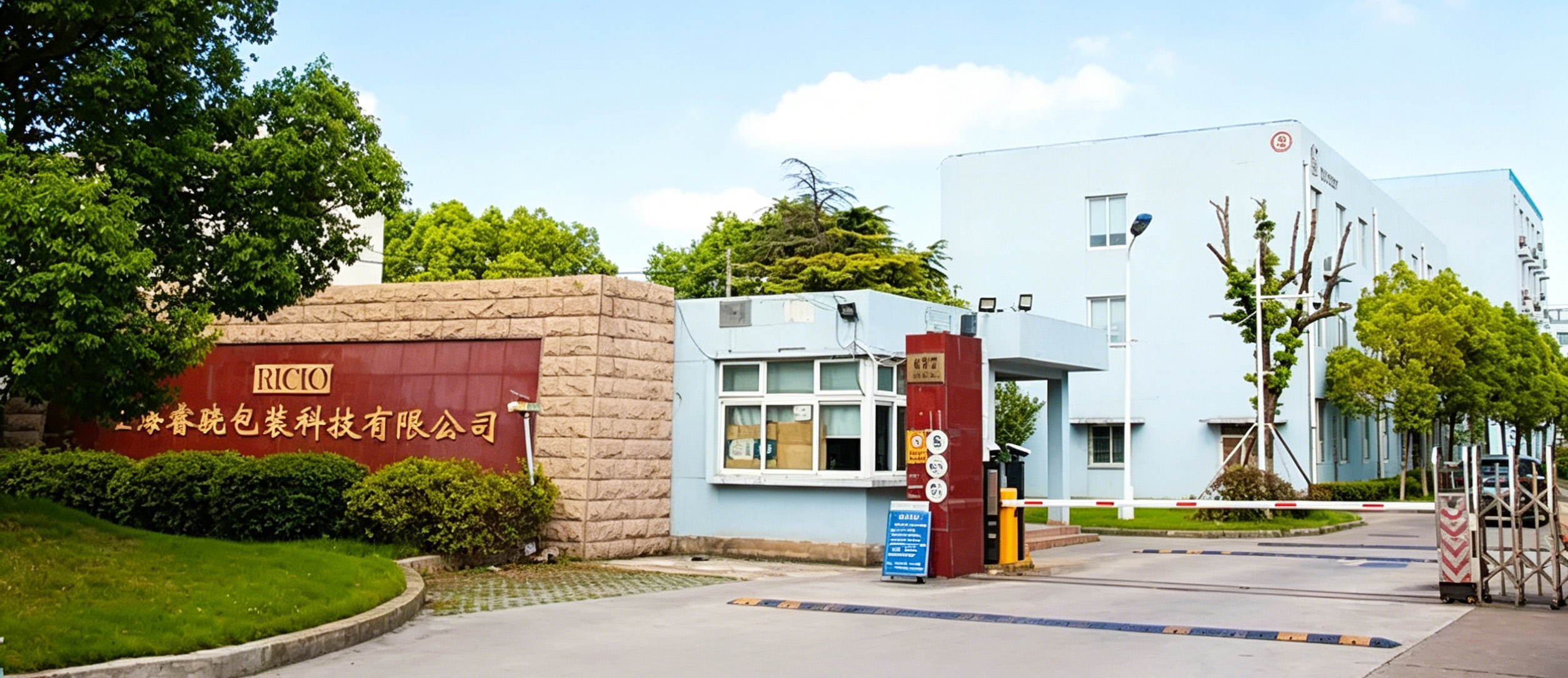
Facility snapshot supporting scheduled batch delivery for both single-machine and complete-line orders.
With separate workshops for machining, assembly, electrical commissioning, and inspection, a production line can move a batch order through each stage without one order slowing down another — which is how Shanghai RICIO Packaging Technology Co., Ltd manages roughly 2000㎡ of factory space to support an annual delivery capacity of 800+ units without treating custom single-machine orders and multi-unit line orders as competing priorities.
Frequently Asked Questions
What container shapes can a top labeling machine handle?
Flat-top and gently domed surfaces are the most common, covering bottles, jars, cartons, and drums where the label sits on the upper face rather than wrapping around the body.
Is labeling accuracy the same across all container sizes?
Not automatically. Positioning modules need to be matched to the container range at the design stage, since a module tuned for small containers will not hold the same tolerance on larger or irregular ones without adjustment.
Can a single-station machine later be expanded into a full line?
In many cases yes, provided the frame and transmission system were built with that expansion in mind from the start. This is one reason structural frame quality is checked as carefully as the electronics.
How do manufacturers keep delivery times predictable for larger orders?
Dedicated workshop stages help. When component processing, assembly, electrical commissioning, and inspection each run in their own space, batches can move through the process on a schedule instead of waiting on a single shared work area.
What should a buyer ask about before placing a custom order?
It helps to ask where critical components come from, how incoming parts are inspected before assembly, and whether the factory has separate capacity for single-machine and multi-unit line orders — the answers usually say more about long-term reliability than the spec sheet alone.

 English
 русский
 Español
 عربى


 +86 13681850339
 sales@raxpack.com
 Building 6, No. 477 Tiefeng Road, Baoshan District, Shanghai, China
