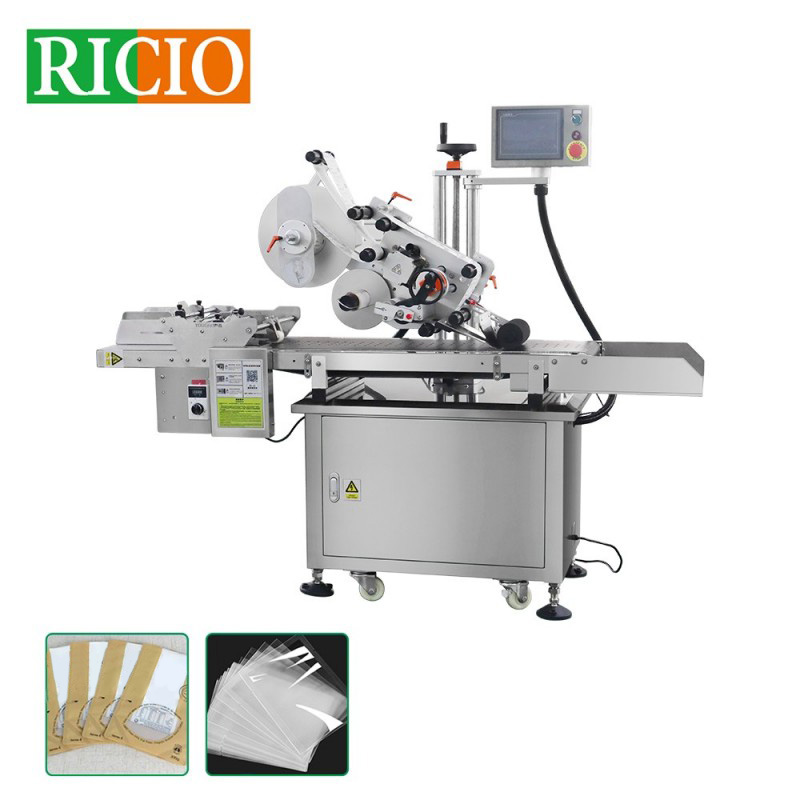
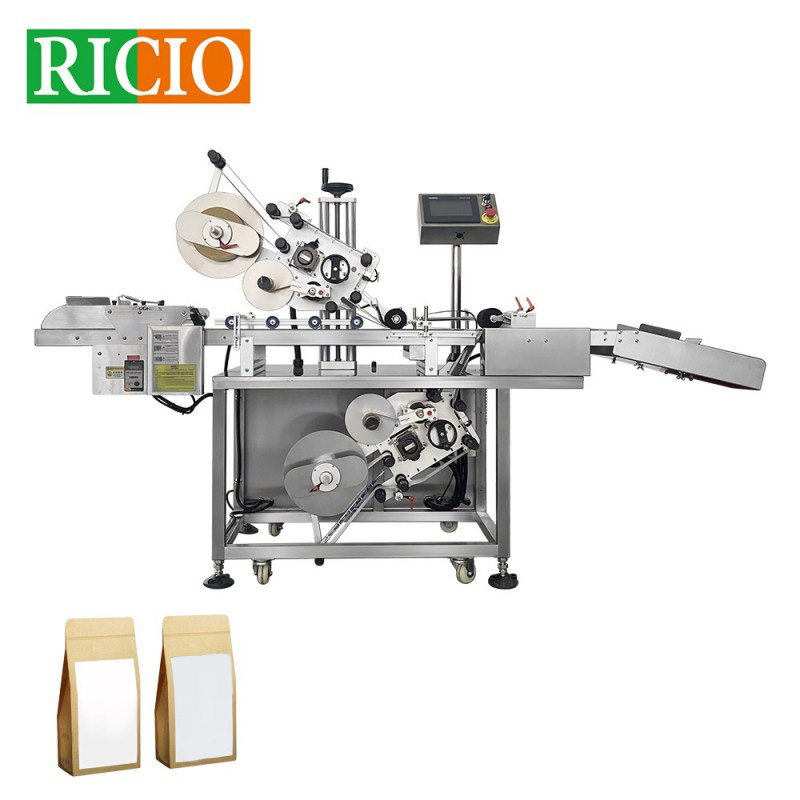
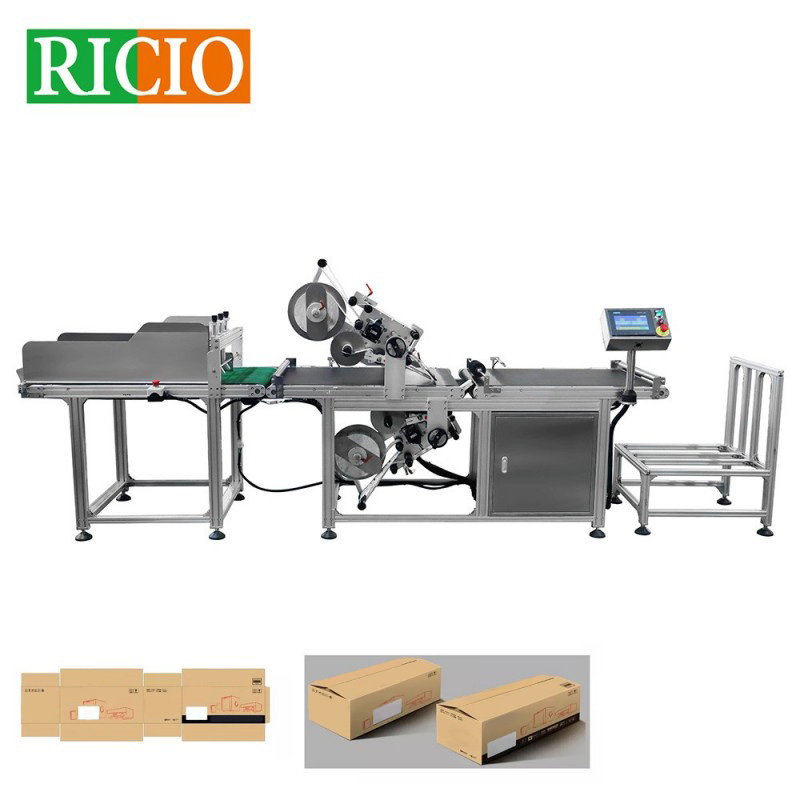
Pouch labeling machine is capable of automatically separating stacked products made from various materials, specifications, and shapes—such as cards, plastic, and paper—into individual sheets, followed by automatic labeling. Examples of such products include plastic bags, paper, paper boxes, prepaid cards, internet access cards, IP cards, 200-minute phone cards, and 300-minute phone cards. After separating the sheets, the system accurately applies self-adhesive labels. (Can apply anti-counterfeiting labels, barcode labels, etc.) The labeling accuracy is high, and the labeling process is bubble-free. The system features automatic product recognition functionality, enabling it to automatically activate different labeling heads based on the specific product being processed.
RICIO
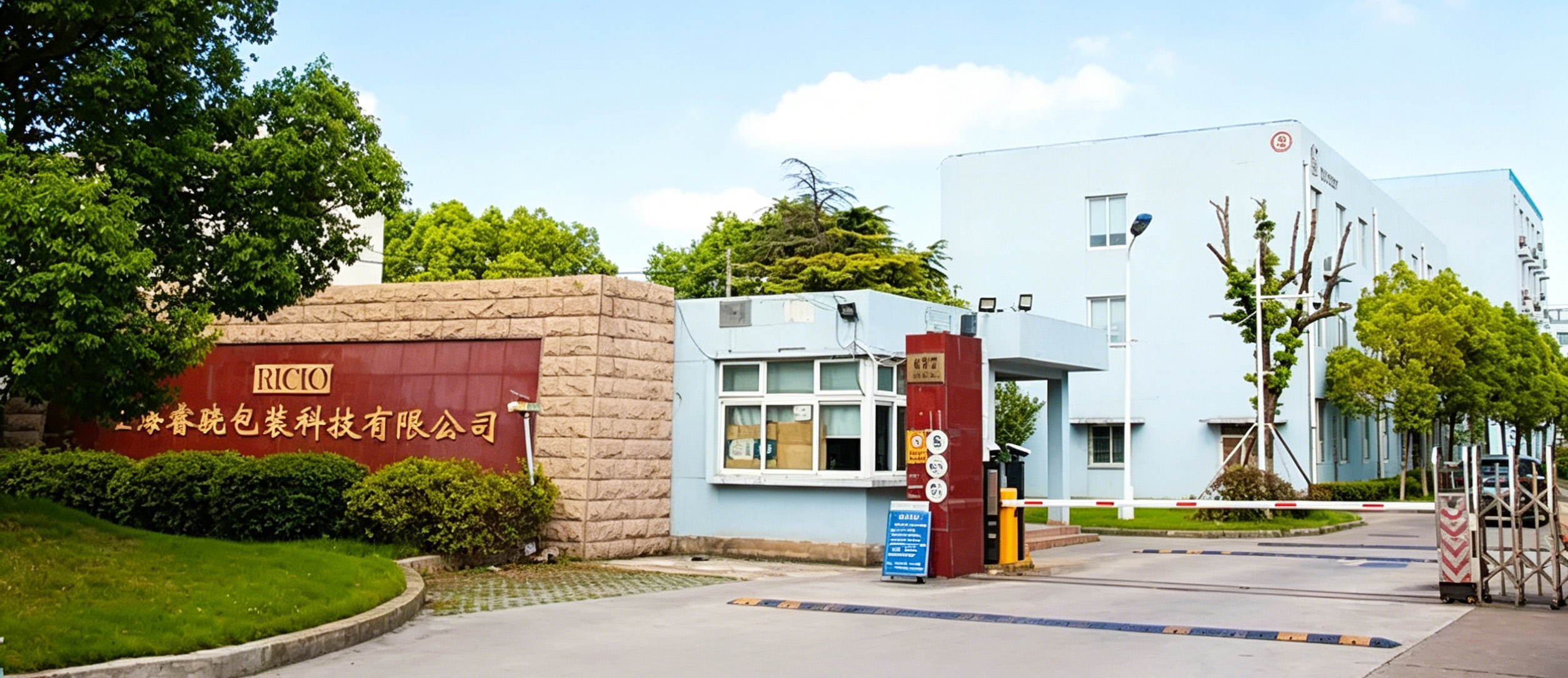
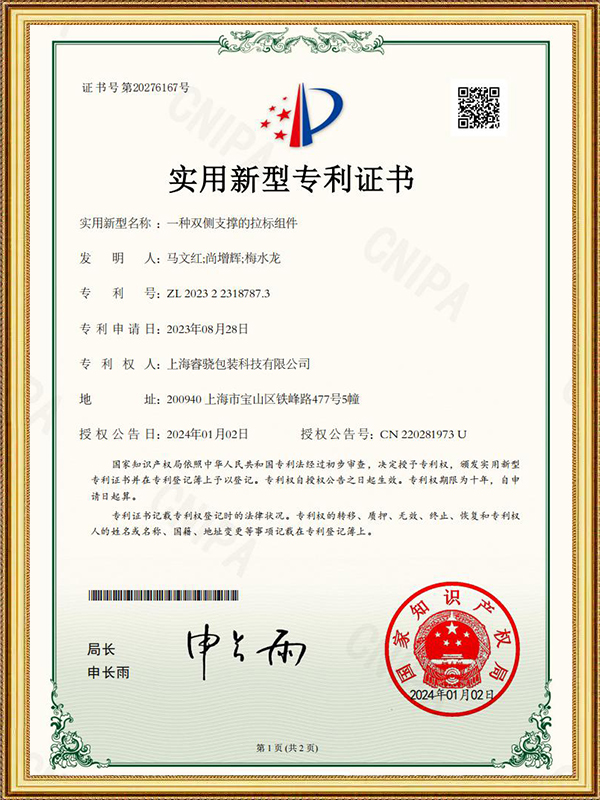
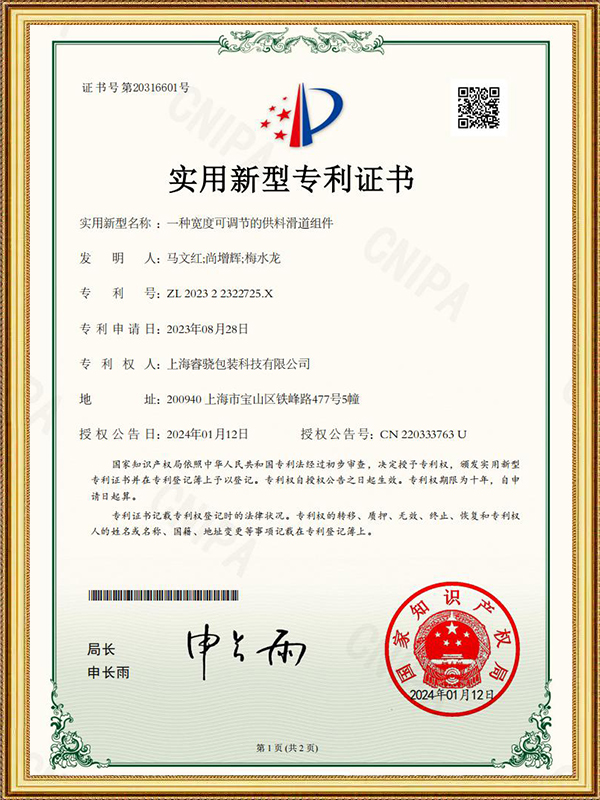
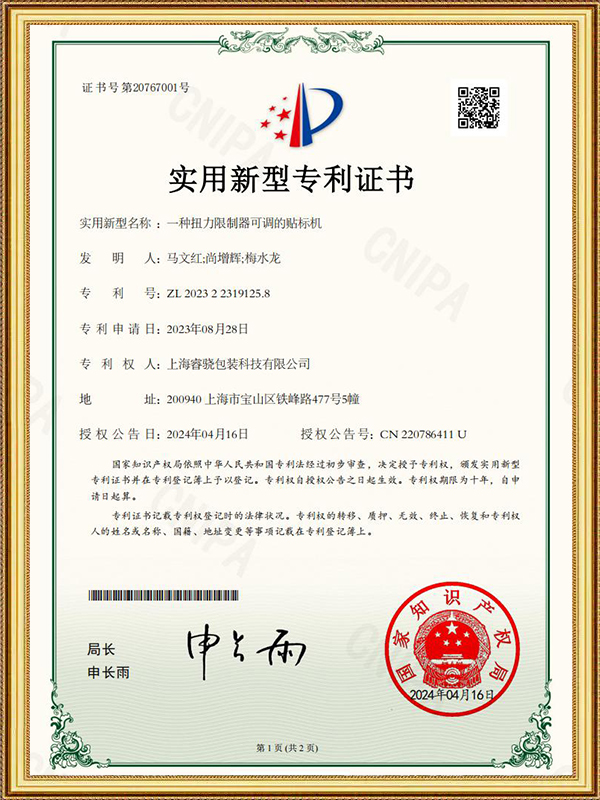
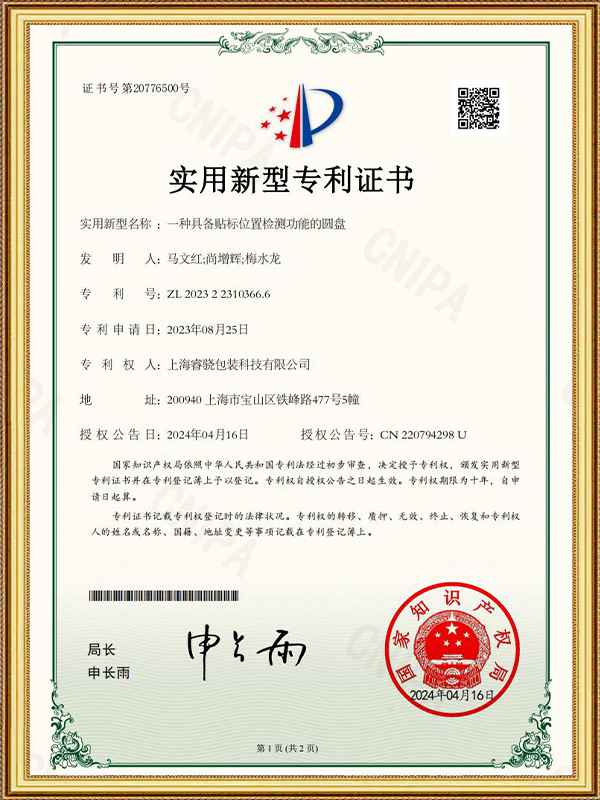
Shanghai Ruixiao Packaging Technology Co., Ltd.
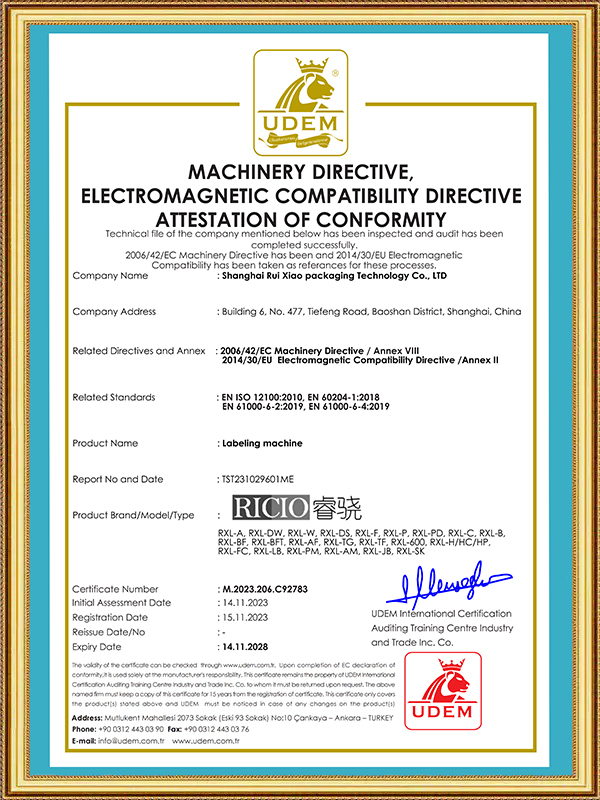
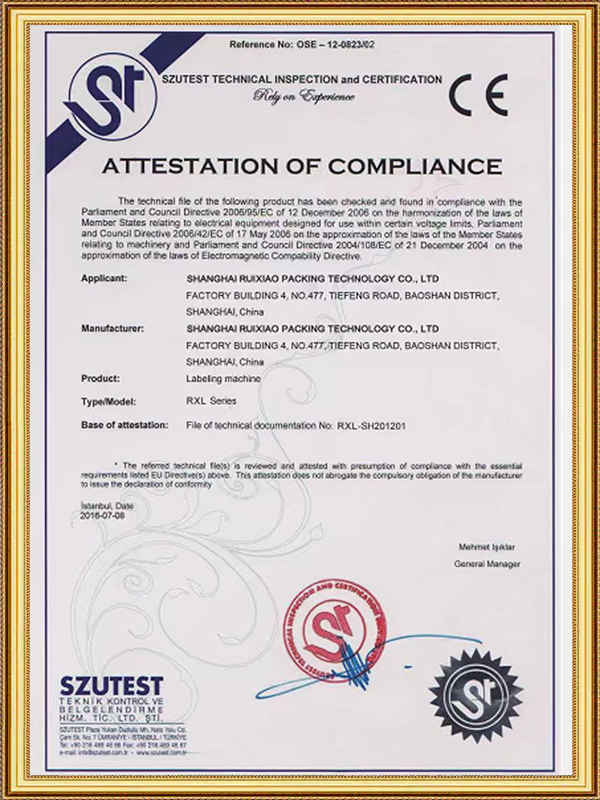
As China OEM Bag Labeling Machine Manufacturer and ODM Pouch Labeling Machine Supplier, RICIO engages in the R&D and manufacturing of labeling machinery and is headquartered in Shanghai, China. RICIO's manufacturing foundation stems from the strategic acquisition of Shanghai Zhenbao Machinery Parts Factory, a well-established local machining enterprise. This integration has transformed us from a simple equipment assembler into a source manufacturer with in-house precision machining capabilities.
We are equipped with multiple CNC machining centers and an experienced technical team. From core component machining to complete machine assembly and commissioning, the entire process strictly adheres to the ISO 9001 international quality system, ensuring that every machine we deliver is built with a foundation of stable and reliable operation.
The direct conclusion: In-line print and apply labeling delivers the highest labeling accuracy and speed for variable-data packaging lines. When a packaging line must apply unique barcodes, lot numbers, expiration dates, or shipping labels without stopping, an in-line print-and-apply system is the ...
Why Coding on Bottle Labels Demands Precision Machinery
Coding directly onto bottle labels – not the bottle itself – has become the preferred method for beverage, pharmaceutical, and cosmetic manufacturers who need high-contrast, scannable date codes, lot numbers, and barcodes. Unlike direct‑to‑con...
What Is an Automatic Box Labeling Machine – And Why You Need One
An automatic box labeling machine is a piece of packaging equipment designed to apply pressure‑sensitive labels onto corrugated cartons, cardboard boxes, and similar containers without manual intervention. It eliminates the inconsiste...
A Pouch Labeling Machine sits at the exact point where packaging design meets the customer's eye — it is the equipment that turns a plain pouch or bag into a finished, sellable product. This category spans everything from compact semi-automatic units built for short runs to fully automated lines that apply front, back, or wrap-around labels at high speed. A pouch label applicator and a pouch labeler are often the same core technology described from two angles: one focuses on the applicator head that places the label, the other on the complete machine that feeds, positions, and finishes the pouch. Choosing correctly among these options means matching pouch shape, line speed, and label material to the right configuration, rather than assuming one design fits every product.
Matching Machine Type to Your Line Speed
At Shanghai RICIO Packaging Technology Co., Ltd., before a new customer places a PO, we invite them to bring their own products and labels to our facility to test the labeling result at no charge. This matters because the same bag labeling machine platform can behave very differently depending on pouch stiffness, label liner, and the gap between pouches on the line — a test run answers questions that a spec sheet cannot.
Broadly, pouch and bag labeling equipment falls into three tiers: manual applicators for very low volumes, semi-automatic machines where an operator loads pouches but the labeling cycle itself is automatic, and fully automatic in-line systems that integrate directly with a filling and sealing line. Output climbs sharply between tiers, which is why matching the tier to actual daily volume — not just current volume — avoids both bottlenecks and over-spending.
Figures are typical operating ranges for reference and vary by pouch size and label complexity.
Where Pouch and Bag Labeling Show Up Across Industries
Food and beverage pouches, cosmetics packaging such as lotion pouches, lipstick sleeves and tube labels, daily chemical products like detergent, pesticide and glue containers, and electronic component packaging all rely on a pouch label applicator at some stage of the line, and RICIO's labeling products and services are used across all of these categories to support high-speed, high-precision labeling needs. Each of these sectors, however, weighs precision, speed, hygiene, and flexibility differently.
A cosmetics line, for example, usually prioritizes label placement precision above raw speed, since a crooked label on a lotion pouch is immediately visible to the buyer. A beverage line leans the other way, needing very high speed with hygiene-conscious material handling. Daily chemical products often need the most flexibility, since bottle and pouch shapes on the same line can change frequently.
Your label or sticker is the facebook of your company's products — it is what attracts a customer to choose your product over another on the same shelf. That single idea shapes how a labeling system should be specified: it is never just a mechanical step, it is the last quality check a shopper sees.
Documentation and Training That Actually Get Used
A pouch labeler is only as good as the operator running it day to day, which is why documentation quality matters as much as mechanical build. RICIO provides a machine operation instructions manual in both Chinese and English, and in other languages if a customer needs it, and can also arrange online video guidance for a customer's line staff.
Why written manuals alone are not enough
Line operators learn changeover steps and troubleshooting far faster when they can watch the motion rather than only read about it. Pairing a manual with short video walkthroughs shortens the time between installation and confident, unsupervised operation.
Documentation Provided
Format
Operation instructions manual
Chinese & English, other languages on request
Guided walkthrough
Online video, arranged if needed
Documentation formats available alongside a new pouch labeling machine.
Warranty Coverage and What Happens After Installation
A pouch labeling machine usually carries a standard one-year quality assurance warranty. During that period, vulnerable spare parts or consumables can typically be served free of charge, which matters because these are exactly the components that wear down first under continuous cycling.
Support does not stop at warranty. After delivery and shipment, RICIO's professional service engineers can offer on-site guidance and machine debugging if the buyer raises that need. Beyond the warranty scope, service charges may be calculated and billed to the buyer according to the actual situation, so it is worth clarifying expected support needs — installation complexity, staff experience, plant conditions — before shipment rather than after.
Frequently Asked Questions
Is a pouch label applicator different from a full pouch labeling machine?
Not usually in practice. "Applicator" typically refers to the labeling head or module, while the full machine also includes feeding, conveying, and sensing components built around that applicator.
Can I test my own pouches before ordering?
Yes. New customers can bring their products and labels to test the labeling effect before placing a PO, and this test is free of charge.
What does the standard warranty actually cover?
A standard one-year warranty usually covers free service on vulnerable spare parts or consumables during that period; support requests beyond the warranty scope are handled and charged based on the actual situation.
Is training available for operators who don't read English or Chinese?
Operation manuals can be provided in other languages beyond Chinese and English if needed, and online video guidance can also be arranged for line staff.
Which industries typically use this equipment?
Food and beverage, cosmetics such as lotion, lipstick and tubes, daily chemicals like detergent, pesticide and glue, and electronic components are among the most common applications for high-speed, high-precision pouch and bag labeling.

 English
 русский
 Español
 عربى


 +86 13681850339
 sales@raxpack.com
 Building 6, No. 477 Tiefeng Road, Baoshan District, Shanghai, China
