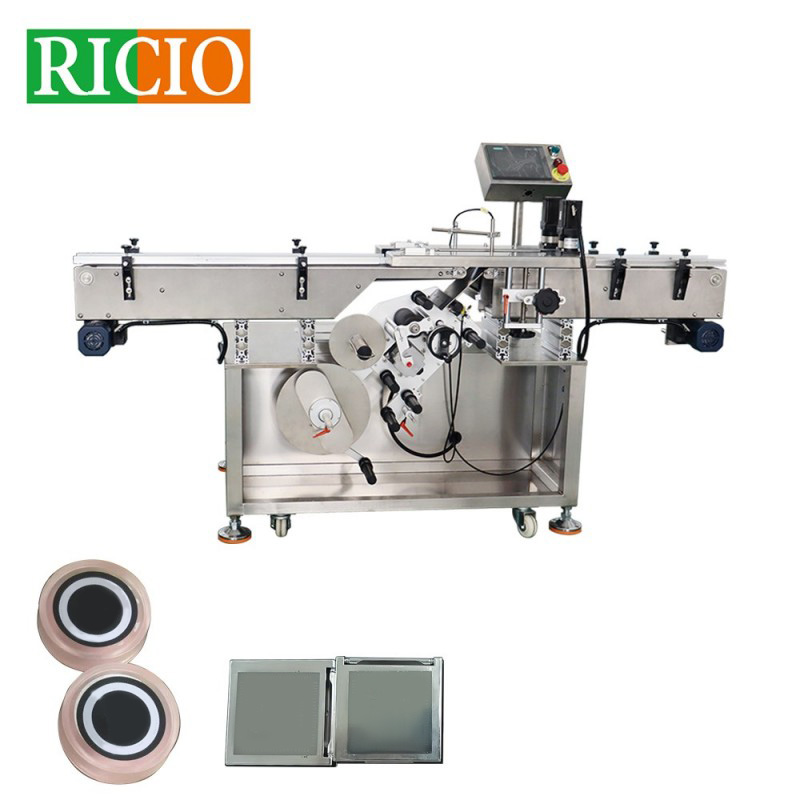
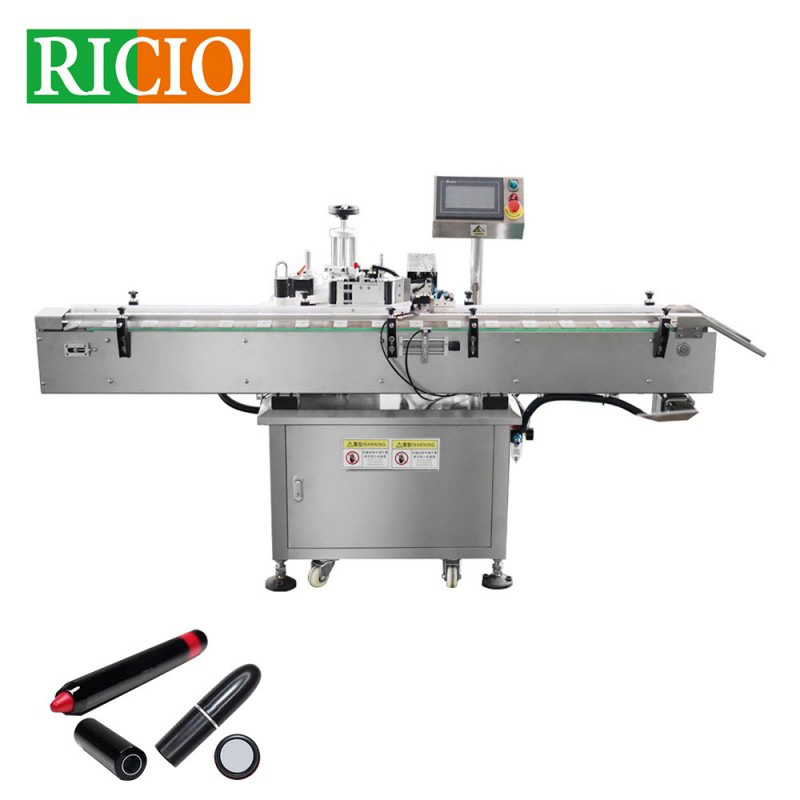
Bottom labeling machine is designed to achieve the rationalization of production goals. The labeling process is automated, simple operation, fast labeling speed with high precision, labeling position is uniform, beautiful, neat; which is mainly applicable to cosmetics, food & beverage, grain & oil, pharmaceutical, daily chemical, and many other industries, flat bottles, square bottles, tube, bottom surface automatic labeling scenarios.
RICIO
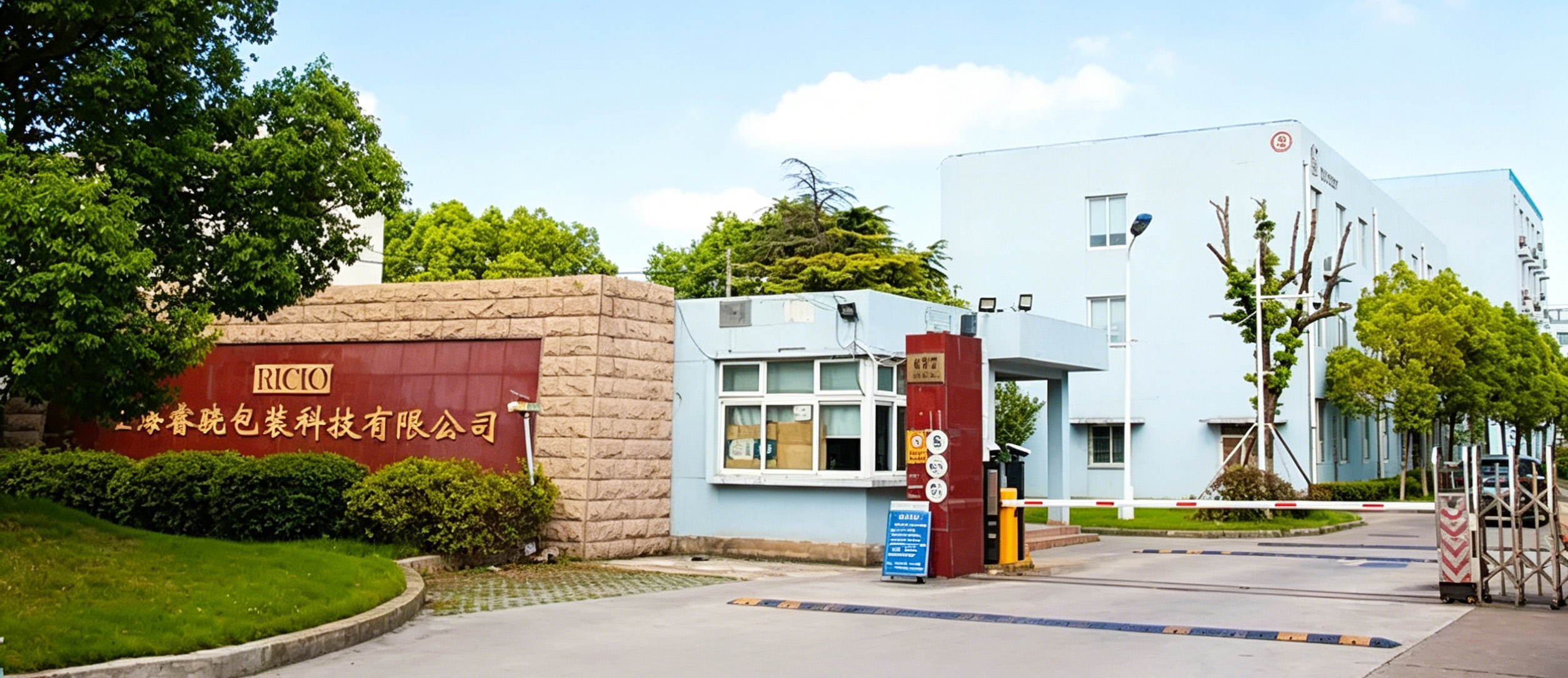
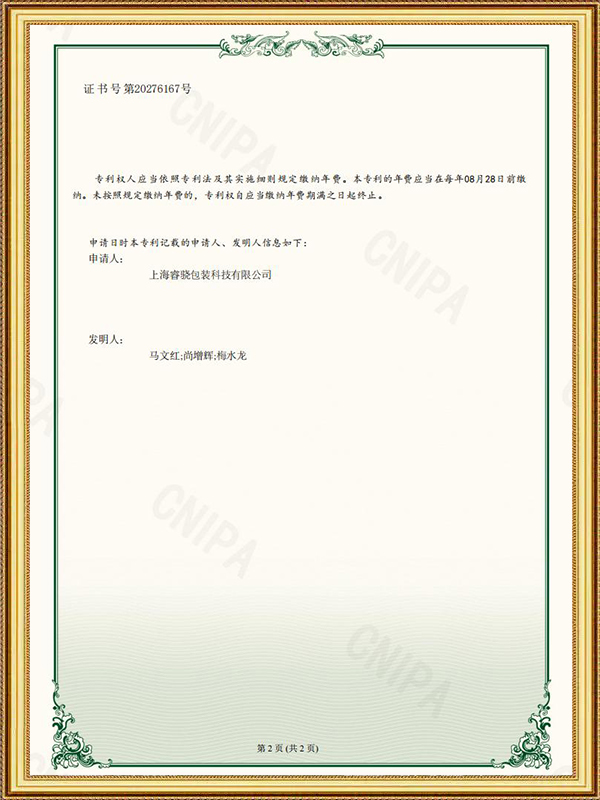
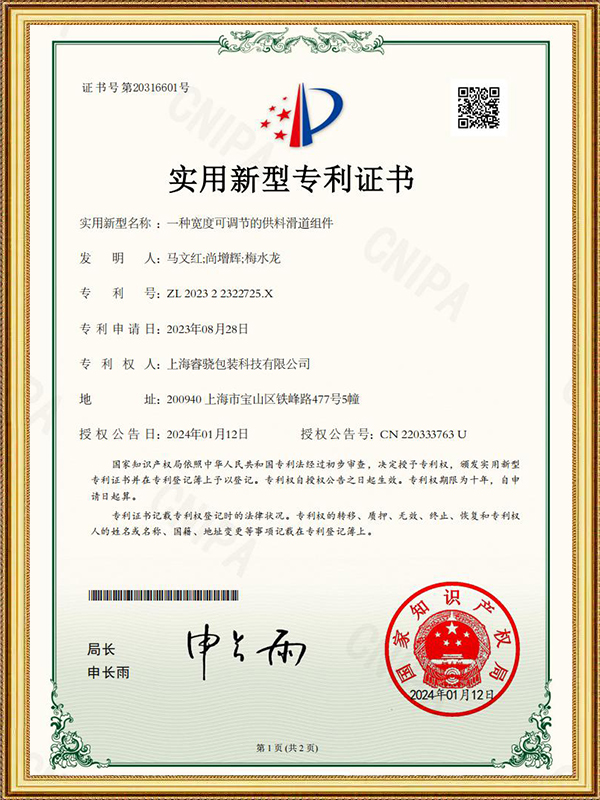
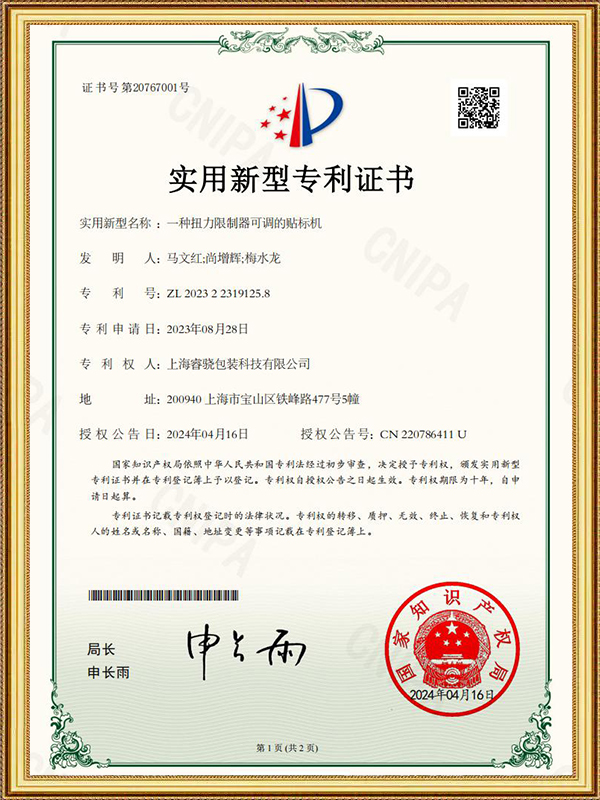
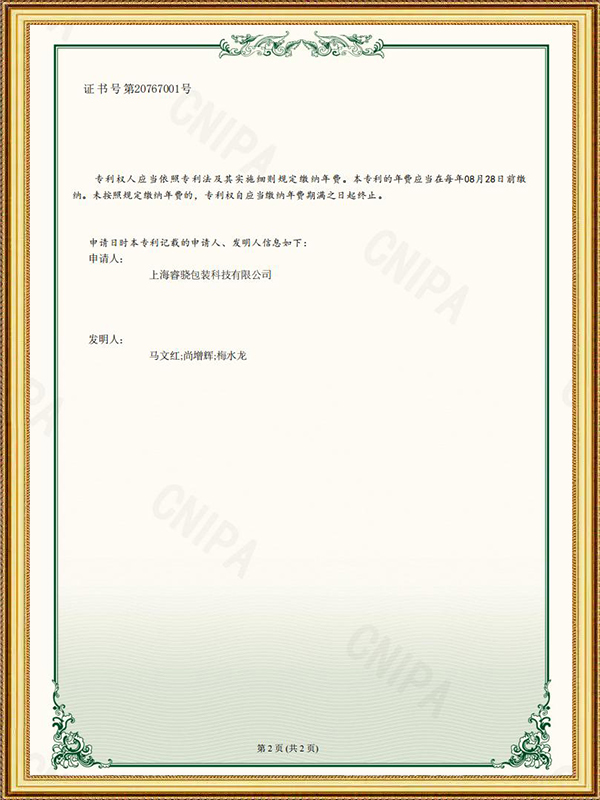
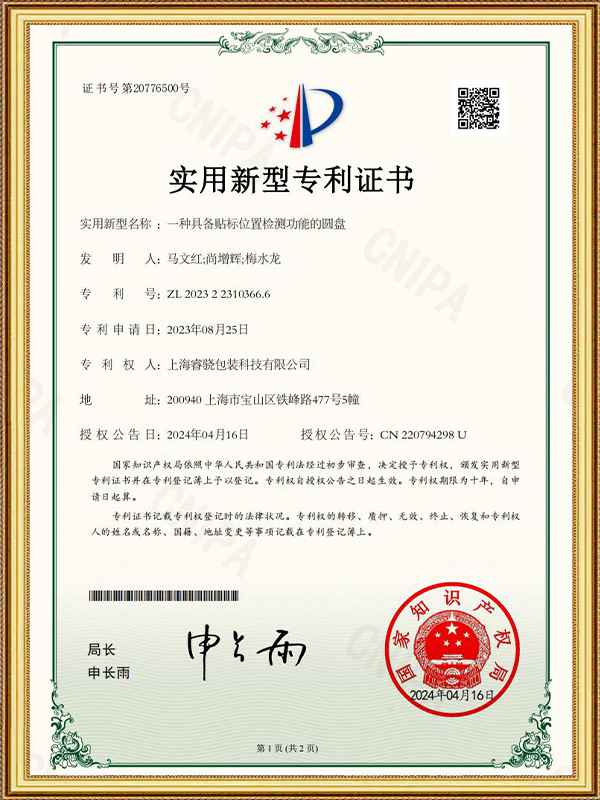
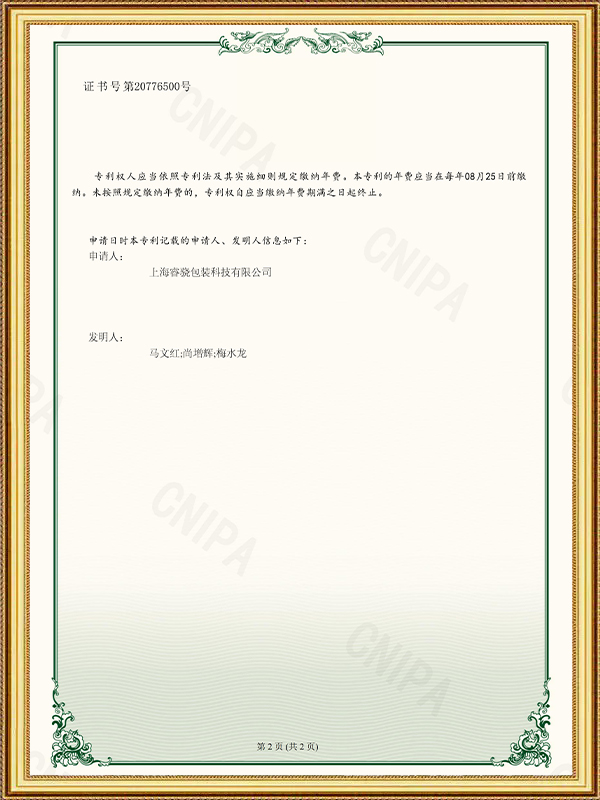
Shanghai Ruixiao Packaging Technology Co., Ltd.
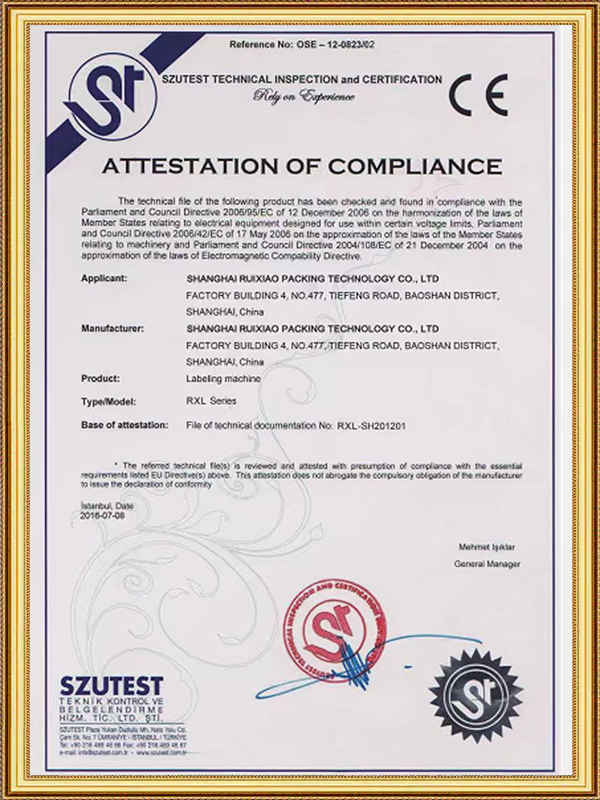
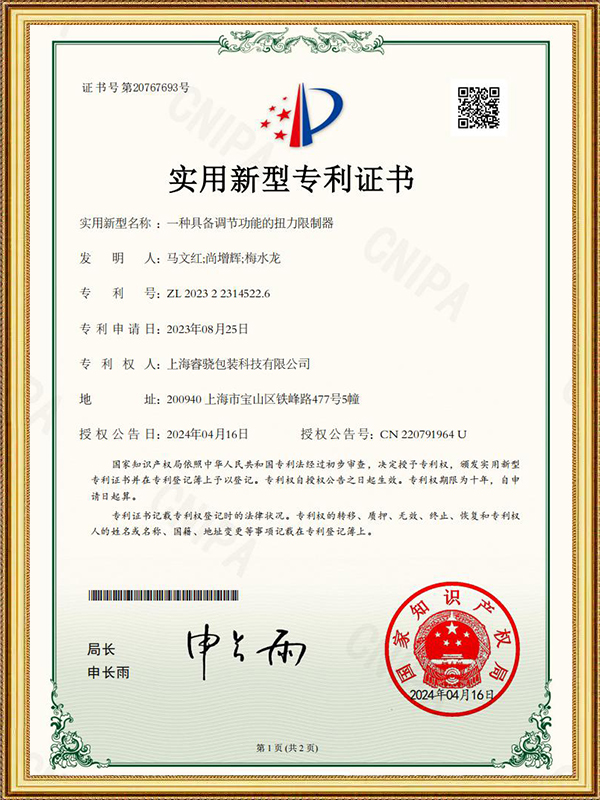
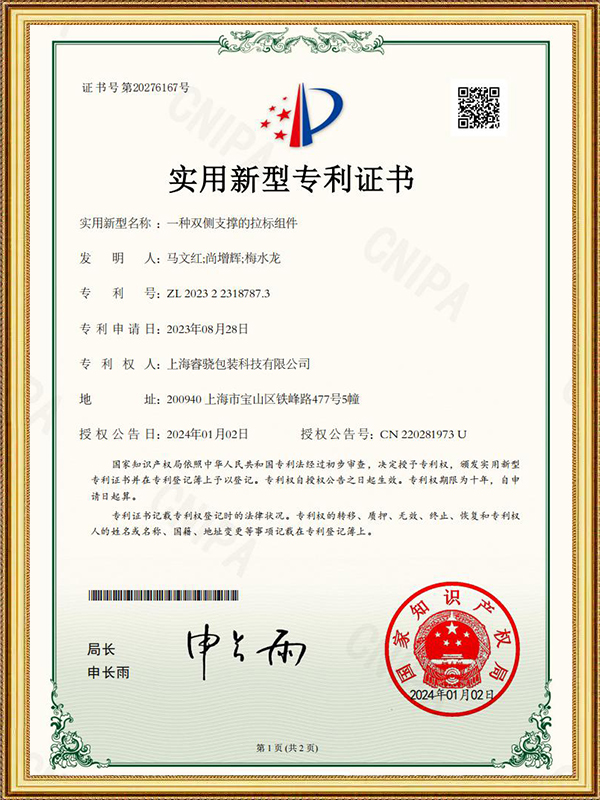
As China OEM Bottom Labeling Machine Manufacturer and ODM Bottom Labeling Machine Supplier, RICIO engages in the R&D and manufacturing of labeling machinery and is headquartered in Shanghai, China. RICIO's manufacturing foundation stems from the strategic acquisition of Shanghai Zhenbao Machinery Parts Factory, a well-established local machining enterprise. This integration has transformed us from a simple equipment assembler into a source manufacturer with in-house precision machining capabilities.
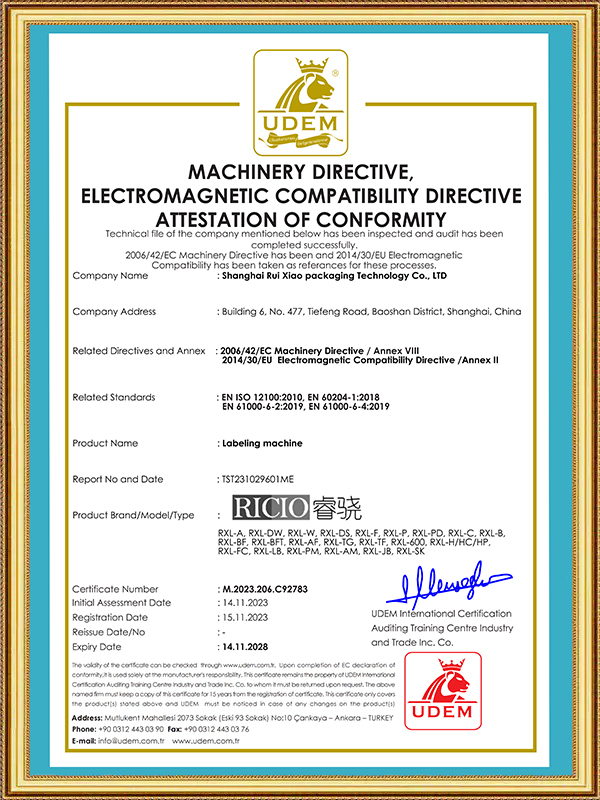
We are equipped with multiple CNC machining centers and an experienced technical team. From core component machining to complete machine assembly and commissioning, the entire process strictly adheres to the ISO 9001 international quality system, ensuring that every machine we deliver is built with a foundation of stable and reliable operation.
The direct conclusion: In-line print and apply labeling delivers the highest labeling accuracy and speed for variable-data packaging lines. When a packaging line must apply unique barcodes, lot numbers, expiration dates, or shipping labels without stopping, an in-line print-and-apply system is the ...
Why Coding on Bottle Labels Demands Precision Machinery
Coding directly onto bottle labels – not the bottle itself – has become the preferred method for beverage, pharmaceutical, and cosmetic manufacturers who need high-contrast, scannable date codes, lot numbers, and barcodes. Unlike direct‑to‑con...
What Is an Automatic Box Labeling Machine – And Why You Need One
An automatic box labeling machine is a piece of packaging equipment designed to apply pressure‑sensitive labels onto corrugated cartons, cardboard boxes, and similar containers without manual intervention. It eliminates the inconsiste...
A bottom labeling machine is built to apply labels to the underside of a container rather than its side or top, and this single difference changes almost everything about how the equipment is engineered. The scope of the technology covers round bottles, flat-bottom jars, tubs, tins, and trays that need date codes, batch numbers, barcodes, or brand marks placed where they won't interfere with the main artwork on the front or top surface. Because the label goes on a surface the container is resting on, the machine has to lift, pause, or momentarily suspend the product mid-cycle, which is why bottom labeling is treated as its own engineering discipline rather than a variation of side labeling.
How the Underside Application Cycle Actually Works
At Shanghai RICIO Packaging Technology Co., Ltd, the way we think about bottom labeling starts with the handoff moment: the container has to be held steady, flipped or tilted, and released back onto the line without losing its orientation. Most systems use one of two approaches — a rotary turret that inverts the container over a label head, or a flat conveyor gap where the product is briefly lifted so a stationary applicator can reach underneath. Sensors track the leading edge of each container so the label head fires within a narrow timing window; miss that window and the label lands crooked or wraps onto the side wall instead of staying flush on the base.
Timing tolerance is the detail most buyers underestimate. A line running at a moderate pace still needs the applicator to fire within a window of a few hundredths of a second, and any drift in that window shows up as label skew long before it shows up as a jam.
Illustrative example only, not measured data from a specific production line.
Which Container Shapes Actually Need Bottom Labeling
Not every product benefits from this labeling position, and knowing when it's the right call saves a lot of retooling later. Flat-bottom round bottles, square jars, tins, and shallow trays are the easiest candidates because the base is broad and stable enough for the applicator to reach cleanly. Products with a narrow or rounded base — small vials, for instance — are harder to hold still during the flip, which is a detail our team at RICIO walks new clients through before recommending a machine configuration.
Typical categories where bottom labeling is standard practice
Cosmetic and skincare jars where the top and side already carry printed artwork
Food tins and cans needing a batch code separate from the main label
Chemical and lubricant containers where regulatory-style codes must stay out of view
Retail trays and clamshells that need a scan point for warehouse sorting
Illustrative distribution for explanatory purposes, not a market survey.
The Variables That Actually Move Accuracy and Speed
Four variables tend to matter more than anything else: label material stiffness, container base flatness, sensor calibration frequency, and how consistently containers arrive spaced on the infeed. A stiff label curls less during the flip cycle but can wrinkle on a slightly domed base, while a softer film adapts to shape but needs a gentler application pressure. Base flatness is often the deciding factor — even a shallow dome or a molding seam on the underside can throw off suction pickup.
Comparing common label materials for underside application
Label Material
Flexibility
Best Suited Base Shape
Paper
Low
Flat, wide base
PP Film
Medium
Slightly domed base
PE Film
High
Irregular or textured base
General comparison for reference; actual performance depends on adhesive and applicator setup.
Illustrative weighting for explanatory purposes only.
This is the kind of calibration work our engineers handle case by case, since RICIO's in-house machining background — built on precision components rather than assembled third-party parts — gives us more room to fine-tune the applicator geometry for a specific container instead of forcing a customer's product to fit a fixed design.
Keeping a Bottom Labeling Line Running Without Surprises
Bottom labeling stations tend to accumulate residue faster than side stations because the applicator head sits closer to the base of the container, where dust, condensation, or product residue collects. A short daily wipe-down of the pickup pad and a weekly check of the alignment sensors prevents most of the drift issues that otherwise get blamed on the label material.
A simple maintenance rhythm that holds up in practice
Wipe the vacuum pad and check for adhesive buildup at the start of each shift
Recalibrate the timing sensor weekly, or after any change in container size
Inspect the flip or lift mechanism for wear every month
Log skewed or missing labels by shift so drift patterns are easy to spot
Illustrative trend, not measured downtime data.
Buyers who source through Shanghai RICIO Packaging Technology Co., Ltd often ask us to walk their maintenance staff through this rhythm during commissioning, since a line that's set up correctly from day one needs far less troubleshooting later.
Common Questions About Bottom Labeling Machines
Can one machine handle both bottom labeling and top labeling?
Some configurations combine stations in sequence, but the bottom station usually needs its own dedicated flip or lift mechanism, so it's rarely a single shared head doing both jobs on the same container in one pass.
Does bottom labeling slow down an existing production line?
It can, if the flip or lift cycle isn't matched to the rest of the line's pace. Sizing the applicator to the actual container weight and base size keeps the added step from becoming a bottleneck.
What causes a label to land off-center on the base?
Most off-center placements trace back to inconsistent infeed spacing or a sensor that hasn't been recalibrated after a container size change, rather than a fault in the label stock itself.
Is bottom labeling suitable for lightweight or unstable containers?
It can be, but lightweight containers usually need a gentler vacuum or clamp setting during the flip so they don't tip or shift before the label is applied.

 English
 русский
 Español
 عربى


 +86 13681850339
 sales@raxpack.com
 Building 6, No. 477 Tiefeng Road, Baoshan District, Shanghai, China
