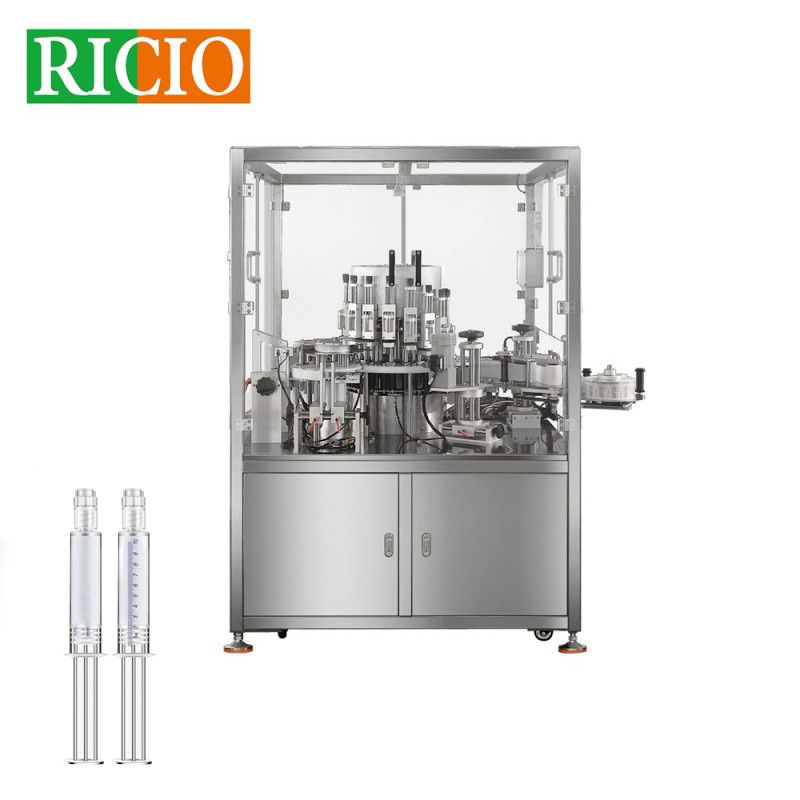
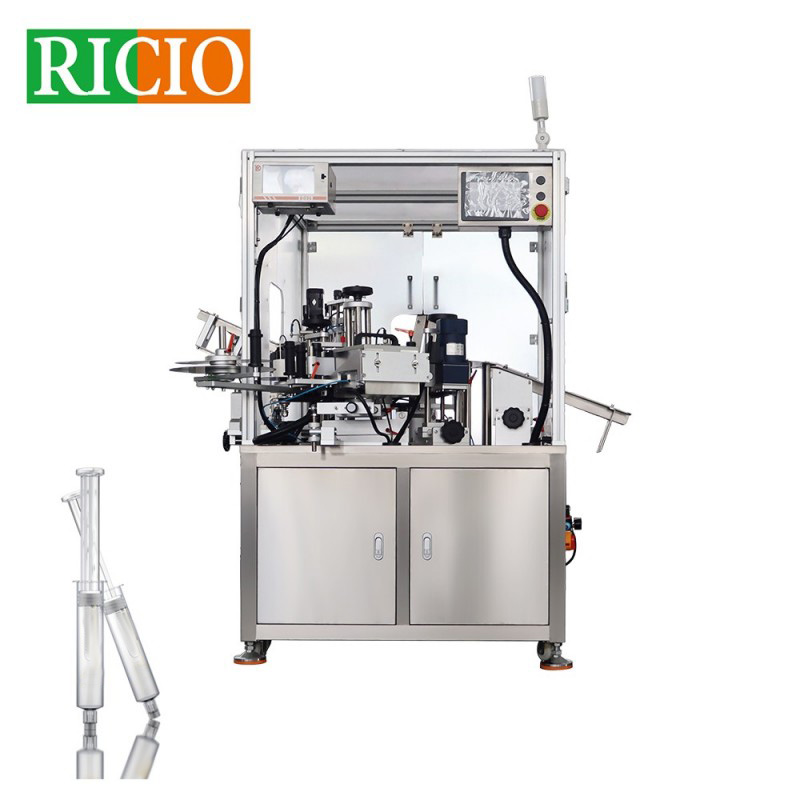
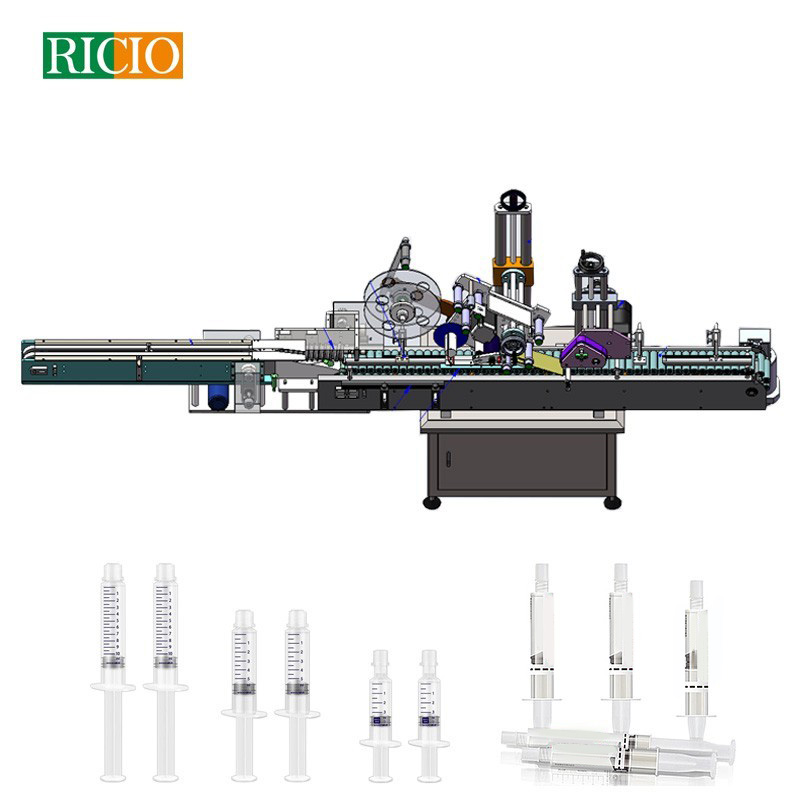
Syringe labeling machine is specially designed and manufactured according to the principle of automatic labeling and technical requirements. It is especially suitable for syringe products; it has the advantages of compact structure, light weight, simple operation, reliable operation, convenient maintenance, fast labeling speed, smooth and beautiful labeling and strong adaptability, etc. It is a good product in modern labeling machine
RICIO
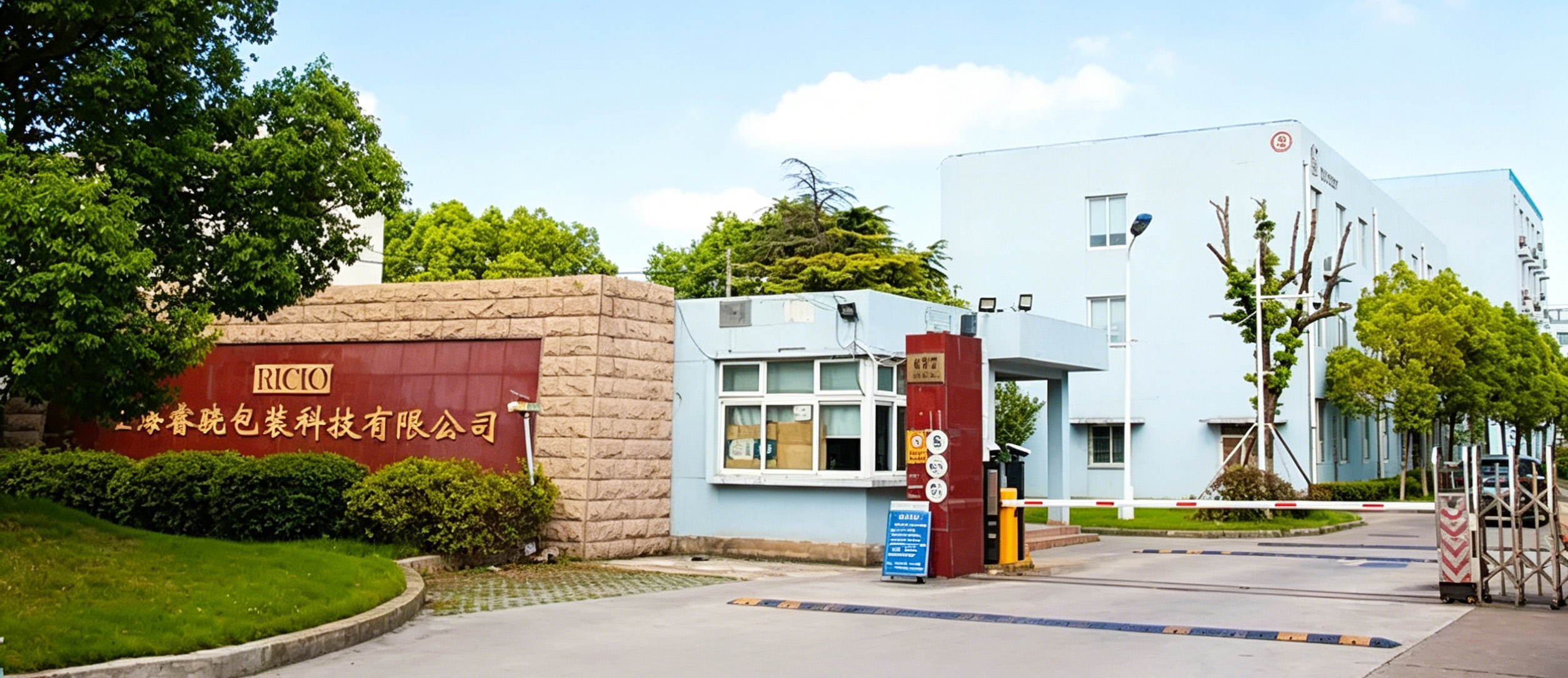
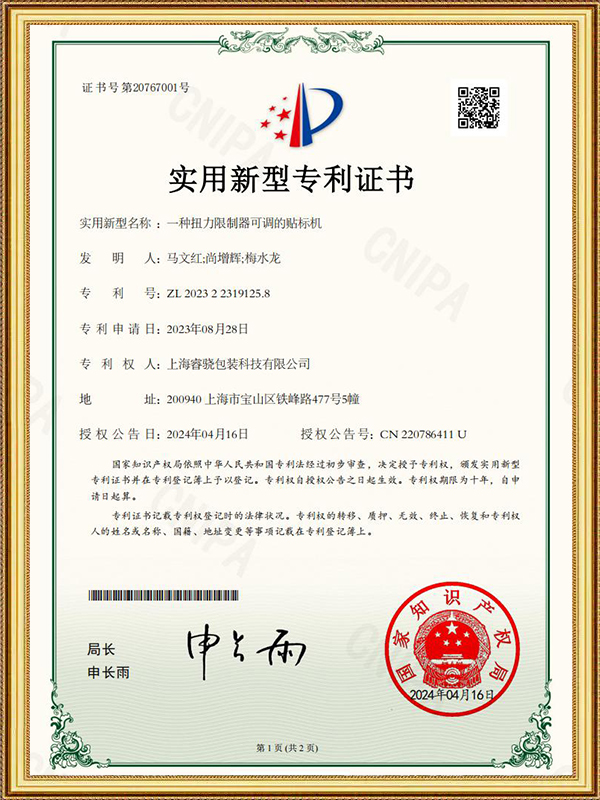
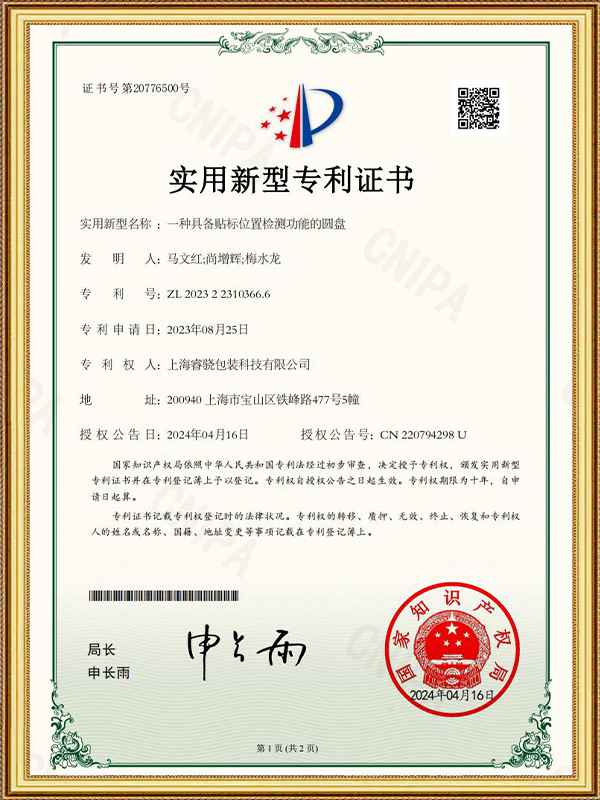
Shanghai Ruixiao Packaging Technology Co., Ltd.
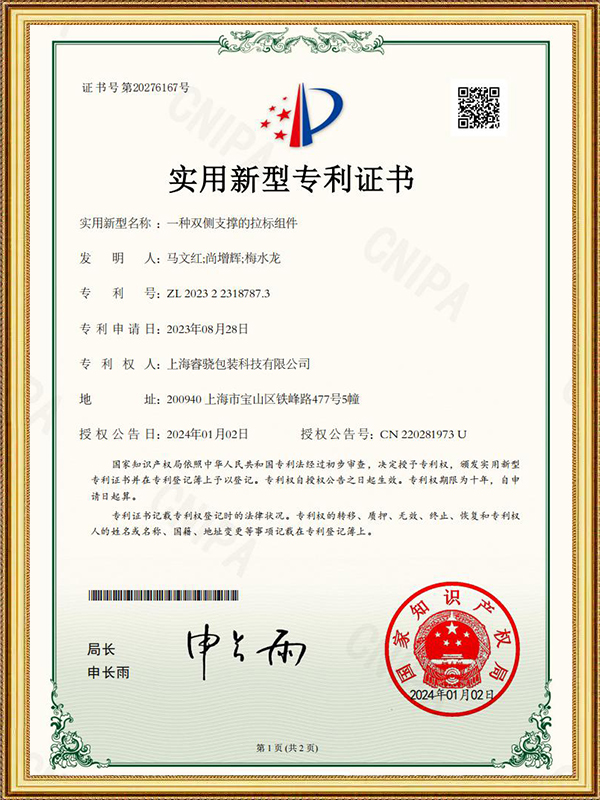
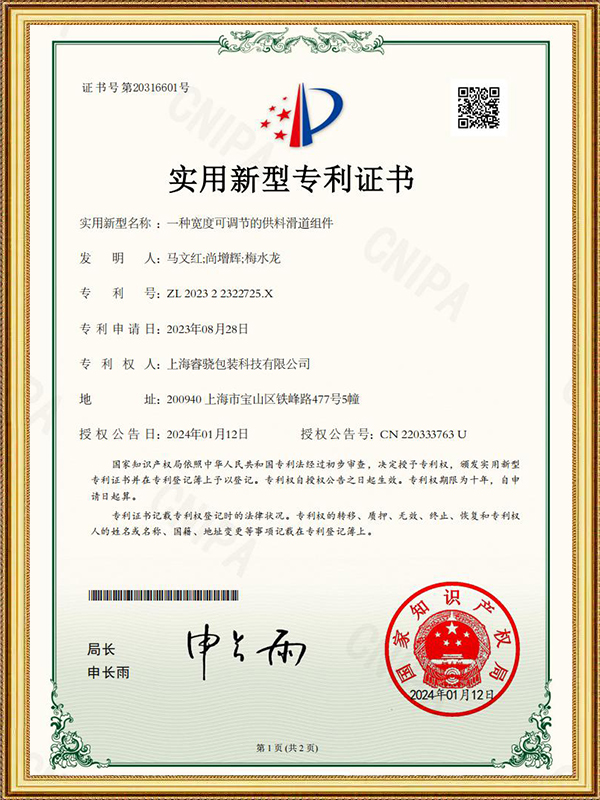
As China OEM Syringe Labeling Machine Manufacturer and ODM Syringe Labeling Machine Supplier, RICIO engages in the R&D and manufacturing of labeling machinery and is headquartered in Shanghai, China. RICIO's manufacturing foundation stems from the strategic acquisition of Shanghai Zhenbao Machinery Parts Factory, a well-established local machining enterprise. This integration has transformed us from a simple equipment assembler into a source manufacturer with in-house precision machining capabilities.
We are equipped with multiple CNC machining centers and an experienced technical team. From core component machining to complete machine assembly and commissioning, the entire process strictly adheres to the ISO 9001 international quality system, ensuring that every machine we deliver is built with a foundation of stable and reliable operation.
The direct conclusion: In-line print and apply labeling delivers the highest labeling accuracy and speed for variable-data packaging lines. When a packaging line must apply unique barcodes, lot numbers, expiration dates, or shipping labels without stopping, an in-line print-and-apply system is the ...
Why Coding on Bottle Labels Demands Precision Machinery
Coding directly onto bottle labels – not the bottle itself – has become the preferred method for beverage, pharmaceutical, and cosmetic manufacturers who need high-contrast, scannable date codes, lot numbers, and barcodes. Unlike direct‑to‑con...
What Is an Automatic Box Labeling Machine – And Why You Need One
An automatic box labeling machine is a piece of packaging equipment designed to apply pressure‑sensitive labels onto corrugated cartons, cardboard boxes, and similar containers without manual intervention. It eliminates the inconsiste...
A Syringe Labeling Machine is the piece of equipment that applies barcodes, dosage information, batch numbers and brand labels onto syringe barrels at production speed, and it sits at the center of any medical device or pharmaceutical packaging line. The category covers everything from single-station wrap-around labelers to fully integrated units that combine printing, inspection and rejection in one pass. Because syringes move through packaging lines in continuous batches, the real value of a syringe labeling machine is not just accuracy on a single unit — it is how reliably the machine keeps running, shift after shift, without becoming the reason the whole line stops.
Why a Single Weak Station Can Stop the Whole Line
Syringe packaging lines are built as a chain: filling, labeling, cartoning and case packing all depend on the station before it. If one machine along that chain breaks down, the entire line stops — not just that one station. This is why buyers evaluating a syringe labeling machine should think less about labeling speed alone and more about how the machine behaves under round-the-clock, high-intensity operation. A labeler rated for light-duty use may perform fine on a single shift but become the weak link once a plant moves to double or continuous shifts.
Shanghai RICIO Packaging Technology Co., Ltd designs its machines around this reality, building for maximum reliability during continuous high-intensity packaging operations rather than for short bursts of peak performance.
The Component Sourcing Question Buyers Rarely Ask
Most of the visible differences between syringe labeling machines are cosmetic — frame shape, touchscreen size, footprint. The differences that actually determine uptime are hidden inside the control cabinet and the drive system: the servo motors, sensors, PLCs and pneumatic components that keep running when the machine is under load hour after hour. On RICIO's machines, all core assembly parts are sourced from established international component makers rather than mixed generic suppliers, which keeps behavior predictable under round-the-clock heavy workloads.
Country of Origin
Component Brands
Typical Role
France
Schneider Electric
Electrical control
Japan
Panasonic, Omron, Keyence, SMC
Drives, sensing, pneumatics
Germany
Siemens, Leuze
Control systems, optical sensing
Taiwan
Delta, AirTAC
Drives, pneumatic actuation
Core component sourcing used across RICIO labeling equipment.
What Actually Happens Before a Machine Ships
Endurance Testing, Not Just a Function Check
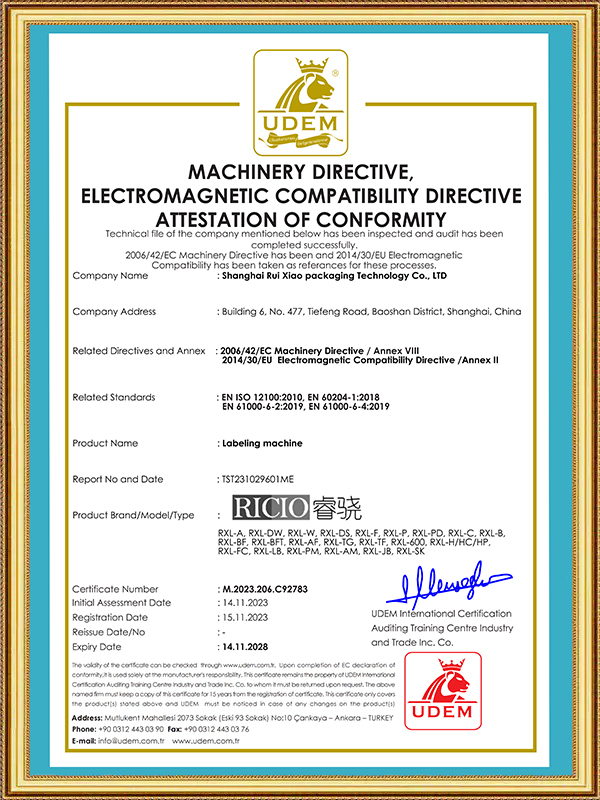
A quick power-on test tells you a machine works. It does not tell you whether it will still work at hour eighteen of a continuous run. Before delivery and line commissioning, every machine at RICIO goes through a non-stop 24-hour endurance test, followed by Factory Acceptance Test (FAT) and, once installed, Site Acceptance Test (SAT) checks. That sequence is designed to surface the kind of intermittent faults that only show up under sustained load — the ones that would otherwise appear for the first time on a customer's own production floor.
The Part That Gets Overlooked: Life After Installation
Buying the machine is the easy part of the decision; getting it running correctly inside an existing line is where projects usually slow down. A syringe labeler has to talk to whatever sits upstream and downstream of it, and that handshake rarely works perfectly on day one.
Senior engineers are sent on-site to complete joint testing and debugging between the labeler and upstream/downstream equipment, typically over 3–7 working days until the full line runs without interruption.
On-site staff receive systematic hands-on training, backed by remote video technical guidance with a guaranteed 24-hour response window.
Machines carry a standard 1-year warranty, with select models extending to 2 years, alongside lifetime technical support and maintenance.
This kind of after-sales structure is part of why RICIO's equipment has reached more than 50 countries, including the US, UK and Japan, supported by a global service network rather than a single regional office.
Frequently Asked Questions
How long does it take to get a syringe labeling machine running on an existing line?
Joint commissioning between the labeler and surrounding equipment typically takes 3 to 7 working days on-site, depending on how many upstream and downstream stations it needs to synchronize with.
Why does component sourcing matter more than headline speed specs?
A labeler quoted at a high cycle speed still has to sustain that speed for full shifts without unplanned stops. Components from established international makers tend to hold performance steady under continuous heavy workloads, which is what actually protects overall line output.
What kind of testing happens before a machine leaves the factory?
A non-stop 24-hour endurance run, followed by Factory Acceptance Test and Site Acceptance Test checkpoints, is used to catch faults that only appear after sustained operation rather than on a short power-on check.
What happens if a problem comes up after installation?
Operator training is provided on-site, and remote video technical guidance is available with a guaranteed 24-hour response window, backed by a standard warranty of 1 year (up to 2 years on select models) and lifetime technical support.

 English
 русский
 Español
 عربى


 +86 13681850339
 sales@raxpack.com
 Building 6, No. 477 Tiefeng Road, Baoshan District, Shanghai, China
