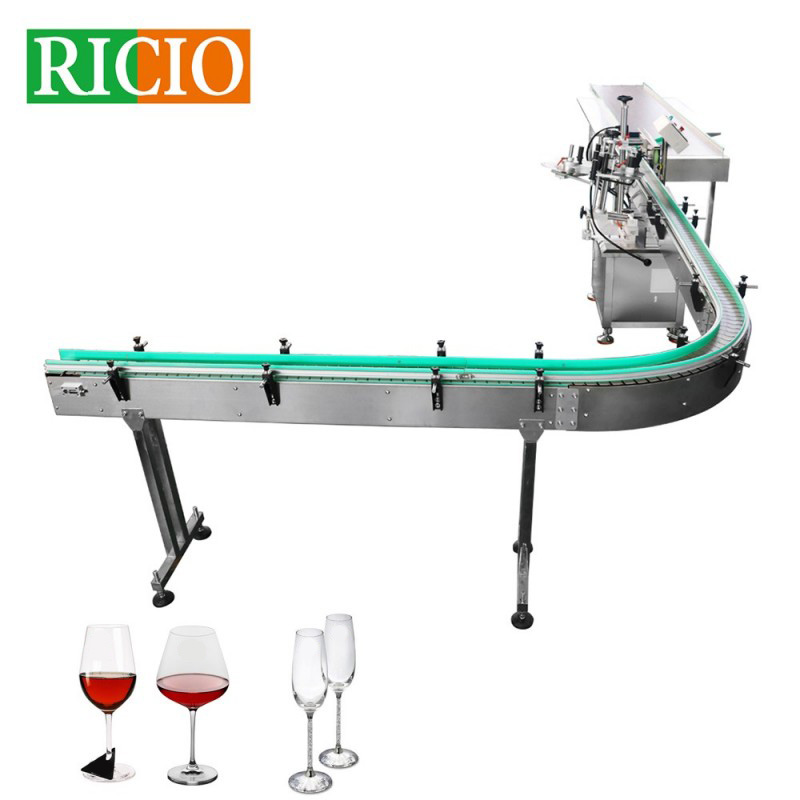
Single sided sticker labeling machine is suitable for daily chemicals, household chemicals, pharmaceuticals, food and other light industry in the flat bottles, bottles, round bottles, square bottles, such as single-side or single-side labeling, can be equipped with ribbon coder and printer, labeling at the same time to achieve the printing of production batch number, date of production and other information. Realize the integration of labeling and printing code, reduce the packaging process, improve production efficiency. Applicable self-adhesive labeling machine, self-adhesive film, electronic regulatory code, bar code, two-dimensional code labels, transparent labels. High stability of the equipment, good labeling effect, no bubbles, no wrinkles, high labeling precision.
RICIO
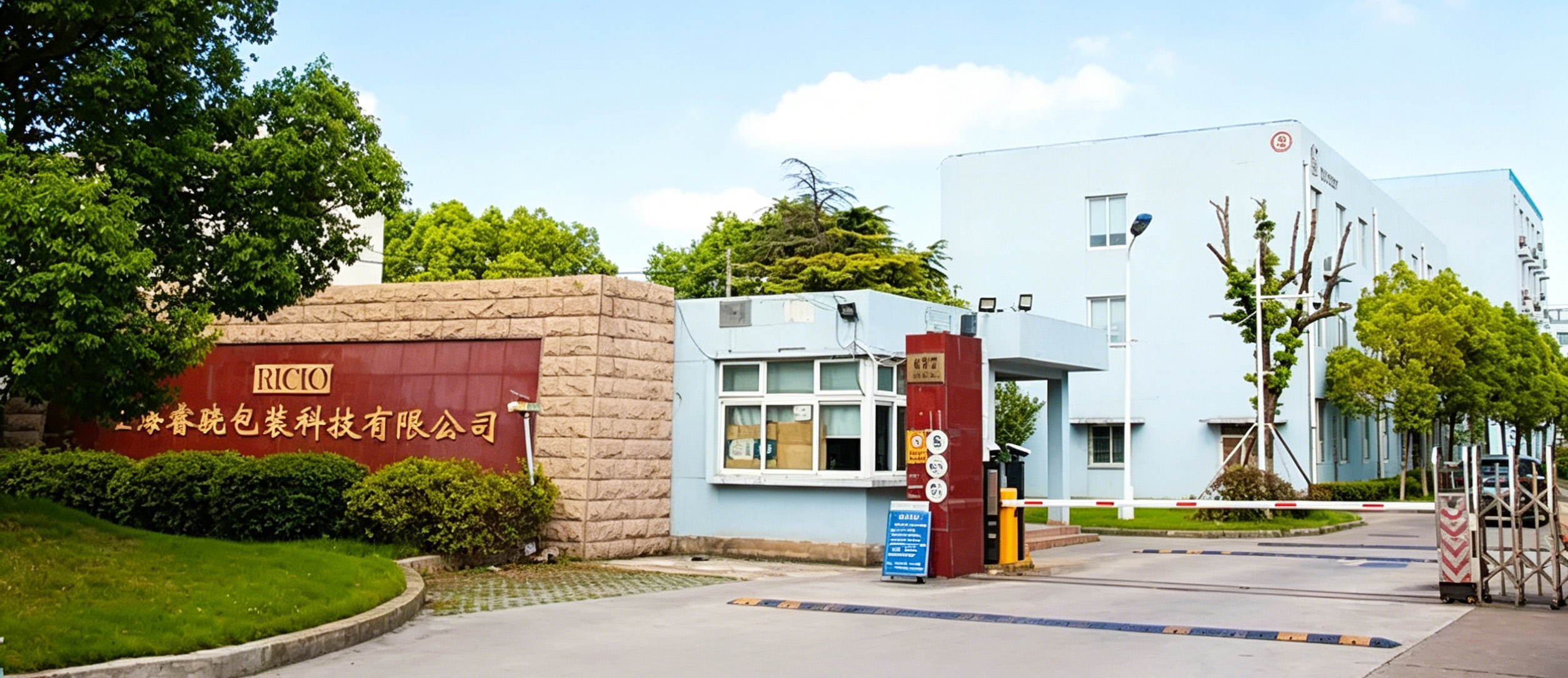
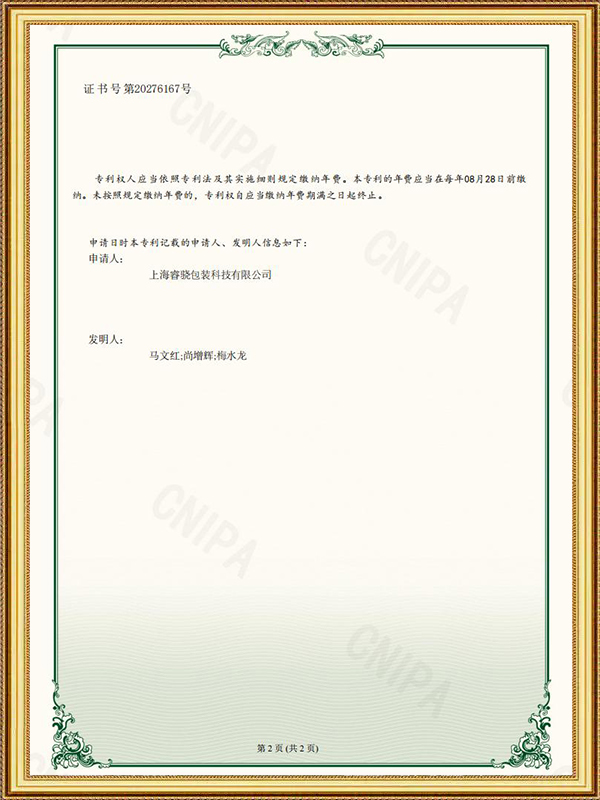
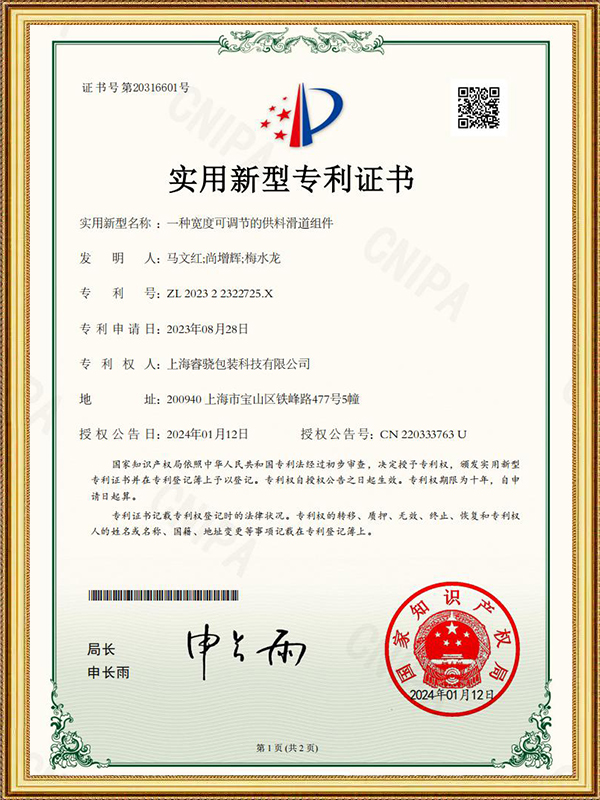
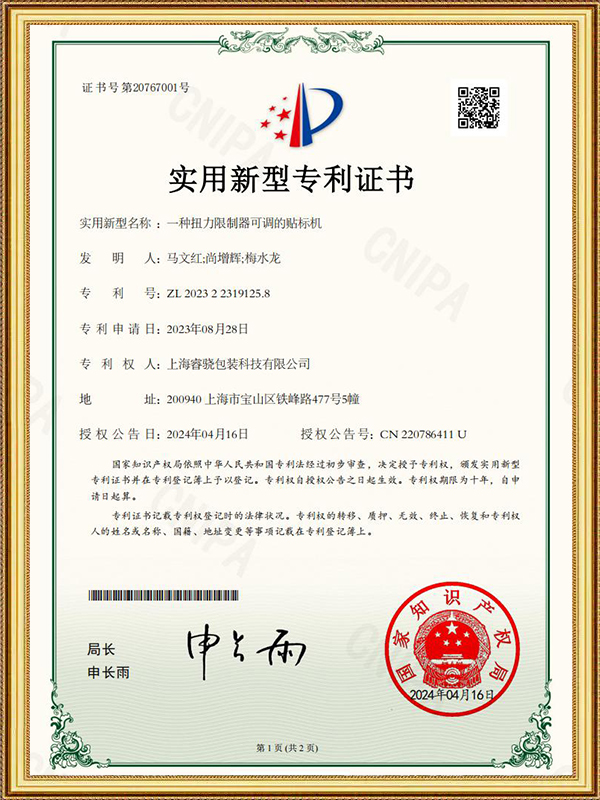
Shanghai Ruixiao Packaging Technology Co., Ltd.
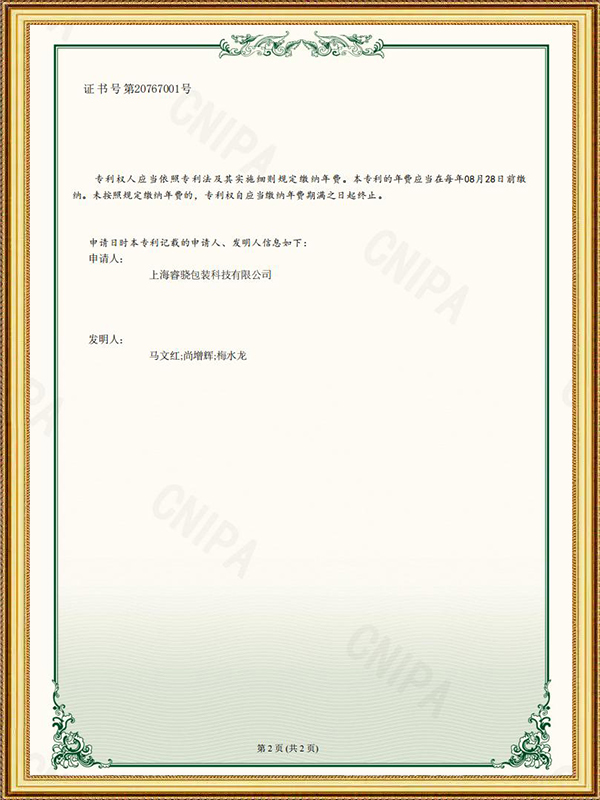
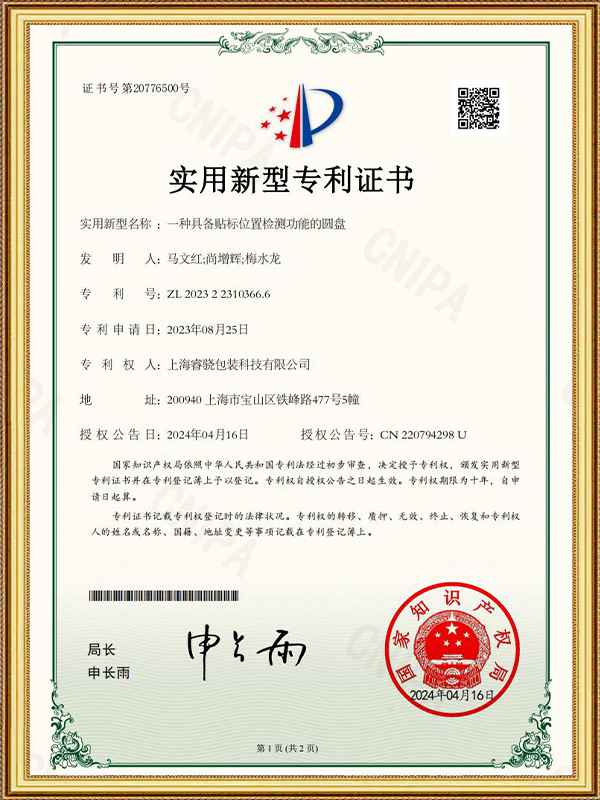
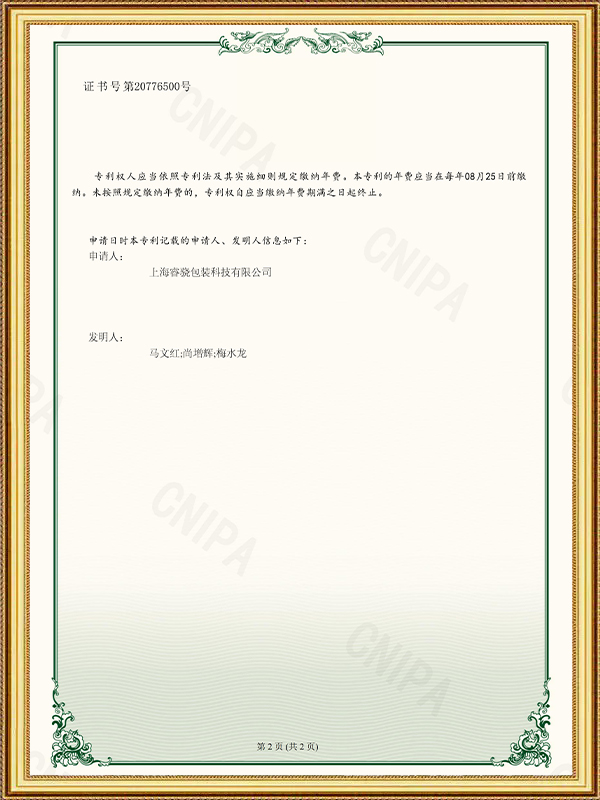
As China OEM Single Side Sticker Labeling Machine Manufacturer and ODM Single Side Sticker Labeling Machine Supplier, RICIO engages in the R&D and manufacturing of labeling machinery and is headquartered in Shanghai, China. RICIO's manufacturing foundation stems from the strategic acquisition of Shanghai Zhenbao Machinery Parts Factory, a well-established local machining enterprise. This integration has transformed us from a simple equipment assembler into a source manufacturer with in-house precision machining capabilities.
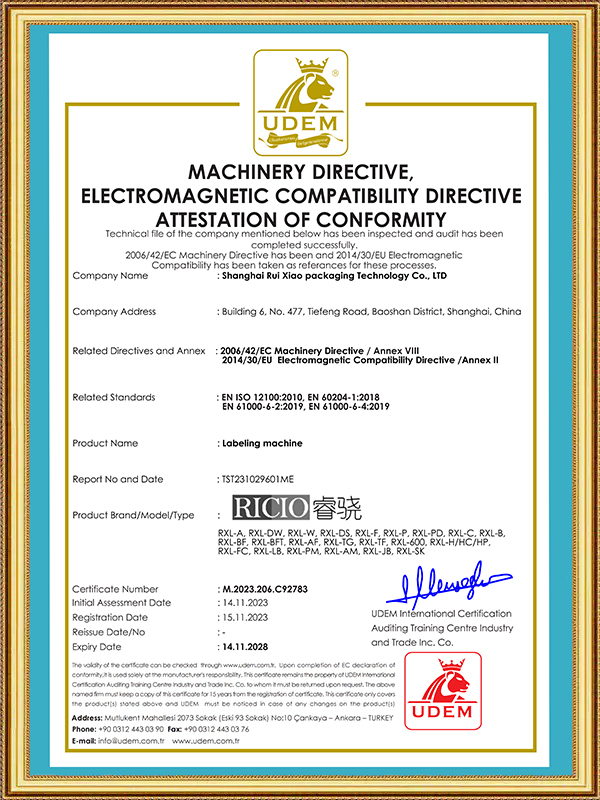
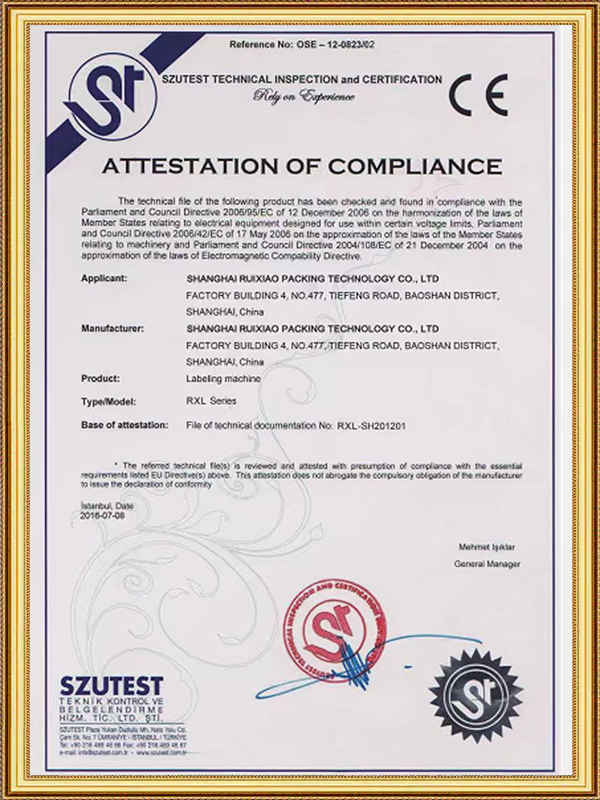
We are equipped with multiple CNC machining centers and an experienced technical team. From core component machining to complete machine assembly and commissioning, the entire process strictly adheres to the ISO 9001 international quality system, ensuring that every machine we deliver is built with a foundation of stable and reliable operation.
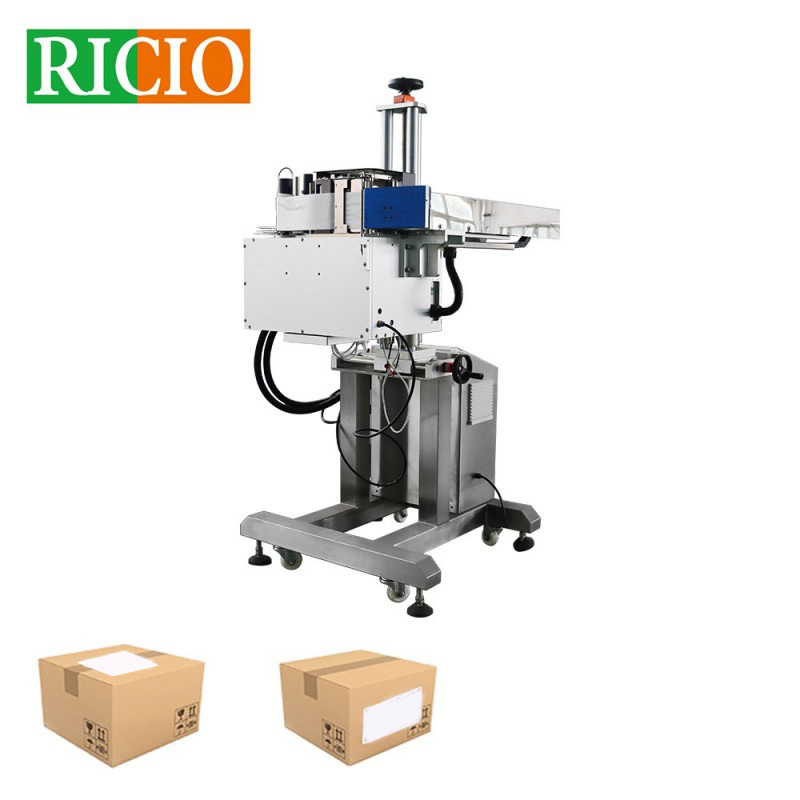
The direct conclusion: In-line print and apply labeling delivers the highest labeling accuracy and speed for variable-data packaging lines. When a packaging line must apply unique barcodes, lot numbers, expiration dates, or shipping labels without stopping, an in-line print-and-apply system is the ...
Why Coding on Bottle Labels Demands Precision Machinery
Coding directly onto bottle labels – not the bottle itself – has become the preferred method for beverage, pharmaceutical, and cosmetic manufacturers who need high-contrast, scannable date codes, lot numbers, and barcodes. Unlike direct‑to‑con...
What Is an Automatic Box Labeling Machine – And Why You Need One
An automatic box labeling machine is a piece of packaging equipment designed to apply pressure‑sensitive labels onto corrugated cartons, cardboard boxes, and similar containers without manual intervention. It eliminates the inconsiste...
A single side sticker labeling machine applies a self-adhesive label to one face of a bottle, jar, or container — the workhorse format behind most standard product labeling on beverage, personal care, and household chemical lines. Within this equipment category sits a wide spread of capability: some machines handle basic round-bottle runs at a moderate pace, while others are built to hold tight label registration on square and irregular containers running at real production speed. What actually separates a dependable Single Side Sticker Labeling Machine from a marginal one comes down to a short list of engineering fundamentals — motor control, the automation logic behind it, mechanical tooling suited to the bottle shape, and the quality discipline behind how the machine itself gets built.
Precision Engineering Behind Single Side Sticker Application
At Shanghai RICIO Packaging Technology Co., Ltd, labeling accuracy on a Single Side Sticker Labeling Machine is treated as a servo-control problem before it's treated as a mechanical one. RICIO builds its machines around well-known brand servo motors, an AI intelligent automation control system, and an advanced master control system working together, which is how labeling accuracy is held to ±0.5mm. That tolerance matters more than it sounds — a label that drifts even a millimeter off center on a curved or square bottle reads as a quality defect to a retail buyer, even when the product inside is completely fine. On the throughput side, the same control architecture supports a theoretical labeling speed of up to 400 pieces per minute, though the number a given line actually runs at is flexible and depends on equipment configuration, label dimensions, and how the machine sits within the rest of the packaging line.
For manufacturers scoping out a Single Side Sticker Labeling Machine for a new SKU or an existing line, this is usually the first real question to answer: does the control system hold accuracy steady once speed goes up, or does one come at the cost of the other.
Adapting to Bottle Shapes and Production Line Speeds
Bottle geometry is where most labeling problems actually start, not where they get diagnosed. The core technical team behind this equipment carries more than 30 years of experience in the labeling machinery industry, and the shop as a whole, this is a team that has worked through the labeling processes for round bottles, square bottles, irregularly shaped bottles, and a wide range of other container and packaging forms — a manufacturer here, Shanghai RICIO Packaging Technology Co., Ltd, is what that history looks like applied to a Single Side Sticker Labeling Machine platform. That depth is what lets a production team move a single machine design from round-bottle work to an oddly contoured container without starting the tooling process over from zero. It carries through on the line-speed side too: the same engineering group works comfortably from low-speed semi-automatic setups built for shorter runs, up through high-speed fully automatic production line integration for continuous operations, precisely executing a fairly wide range of complex process requirements along the way.
Illustrative coverage across bottle shapes and line-speed formats, based on the team's stated process expertise.
Where Labeling Quality Is Actually Won: Inspection at Every Stage
From incoming materials and in-process stages through to final shipment, machine quality on a production line like this doesn't hinge on one final check — it holds up, or doesn't, at three separate points along the way. Every machine that leaves the shop goes through three core inspection stages, which is a more honest way to catch a weak batch of components than relying on a single outgoing test right before shipment.
Incoming Inspection and Component Acceptance
Every outsourced component entering the production process — including internationally branded electrical elements, metal raw materials, and transmission parts — has to clear Incoming Quality Control (IQC) before it goes anywhere near a machine build. That check covers:
Brand and specification verification
Appearance and completeness check
Sampling and testing of key parameters
Certification document verification
It's a step-by-step discipline rather than a single sign-off, and it's why Shanghai RICIO Packaging Technology Co., Ltd treats component acceptance as the first line of defense for machine reliability, not an afterthought once assembly is already underway.
Matching Machine Capability to Your Packaging Line
Choosing a Single Side Sticker Labeling Machine isn't really about picking the highest headline speed on a spec sheet. The more useful question is whether that speed still holds once your actual label size, bottle tolerance, and upstream or downstream equipment are plugged in. Theoretical speed figures describe what the control system and mechanics are capable of under ideal conditions; the number a line actually settles into is set by equipment configuration, label dimensions, and how the machine is positioned within the wider packaging line — which is exactly why the same platform can be tuned differently for a short-run cosmetics job and a continuous beverage line.
Core performance and quality benchmarks referenced for this Single Side Sticker Labeling Machine platform.
Metric
Value
Labeling accuracy
±0.5mm
Theoretical max speed
Up to 400 pieces/minute
Core team experience
30+ years in labeling machinery
Quality control stages
3 (incoming, in-process, final shipment)
Frequently Asked Questions
What does "single side" mean on this type of labeling machine?
It refers to the label application pattern — the machine applies one label to one face of the container, as opposed to wrap-around or front-and-back configurations. It's the most common setup for standard bottles, jars, and tubs where a single face carries the product information.
How is ±0.5mm accuracy maintained once line speed goes up?
It comes down to the control loop, not just the motor. Well-known brand servo motors paired with an AI intelligent automation control system and an advanced master control system are what let the machine correct for bottle position and label feed in real time, rather than relying on purely mechanical timing that drifts as speed increases.
Can one machine run round, square, and irregular bottles without a full rebuild?
With the right tooling change-over and a technical team that has already worked through those processes, yes — that's the point of building process expertise across bottle types rather than designing a machine around a single shape.
Why does actual output speed differ from the theoretical maximum?
The theoretical figure describes what the control system and mechanics can do under ideal conditions. In practice, equipment configuration, label dimensions, and how the machine fits into the broader packaging line all shape the number a given production run actually settles into.

 English
 русский
 Español
 عربى



 +86 13681850339
 sales@raxpack.com
 Building 6, No. 477 Tiefeng Road, Baoshan District, Shanghai, China
