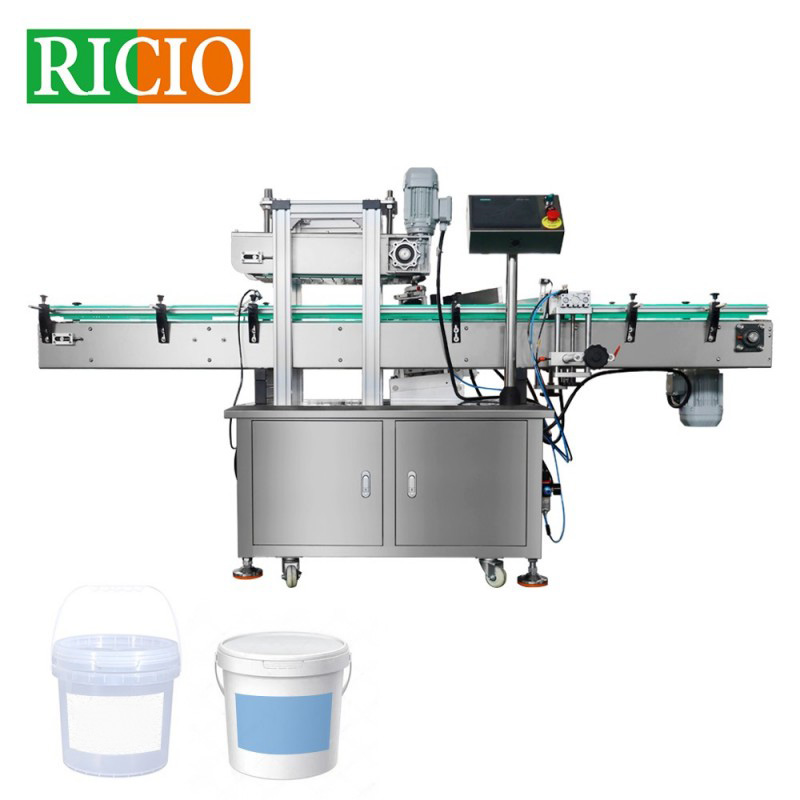
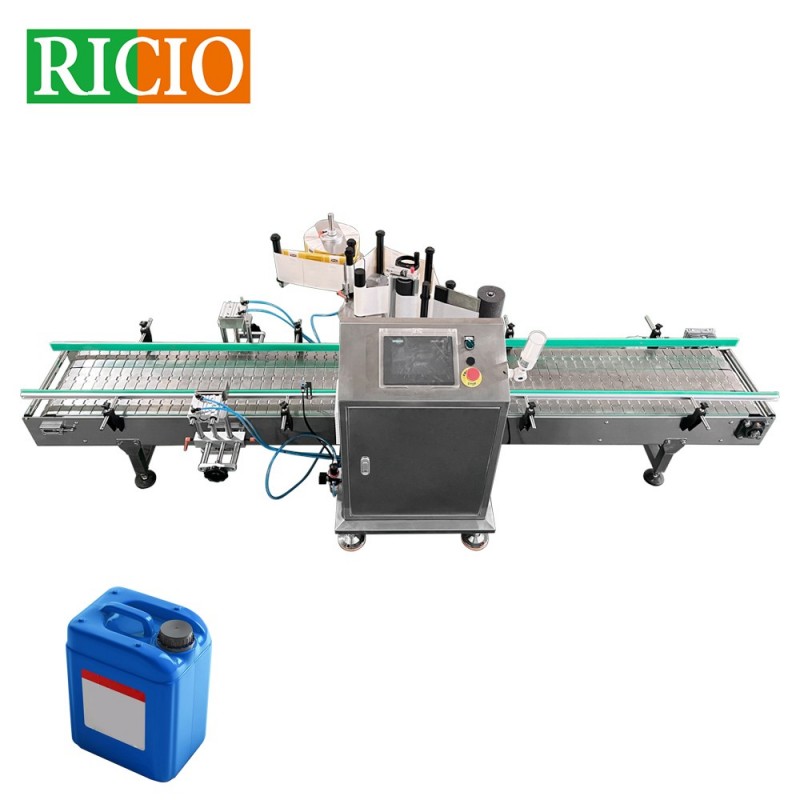
Bucket labeling machine is way suitable for Paint, oil, chemicals, pharmaceuticals and other light industry in the round pail, square drum, flat bucket and jerry can such as: single-sided and double-side labeling products, can be equipped with ribbon coding machine and inkjet printer, labeling at the same time to achieve the printing of production batch number, date of production and other information. Realize the integration of labeling and printing code, reduce the packaging process, improve production efficiency. Applicable self-adhesive labeling machine, self-adhesive film, electronic regulatory code, bar code, two-dimensional code labels, transparent labels. High stability of the equipment, good labeling effect, no bubbles, no wrinkles, high labeling precision.
RICIO
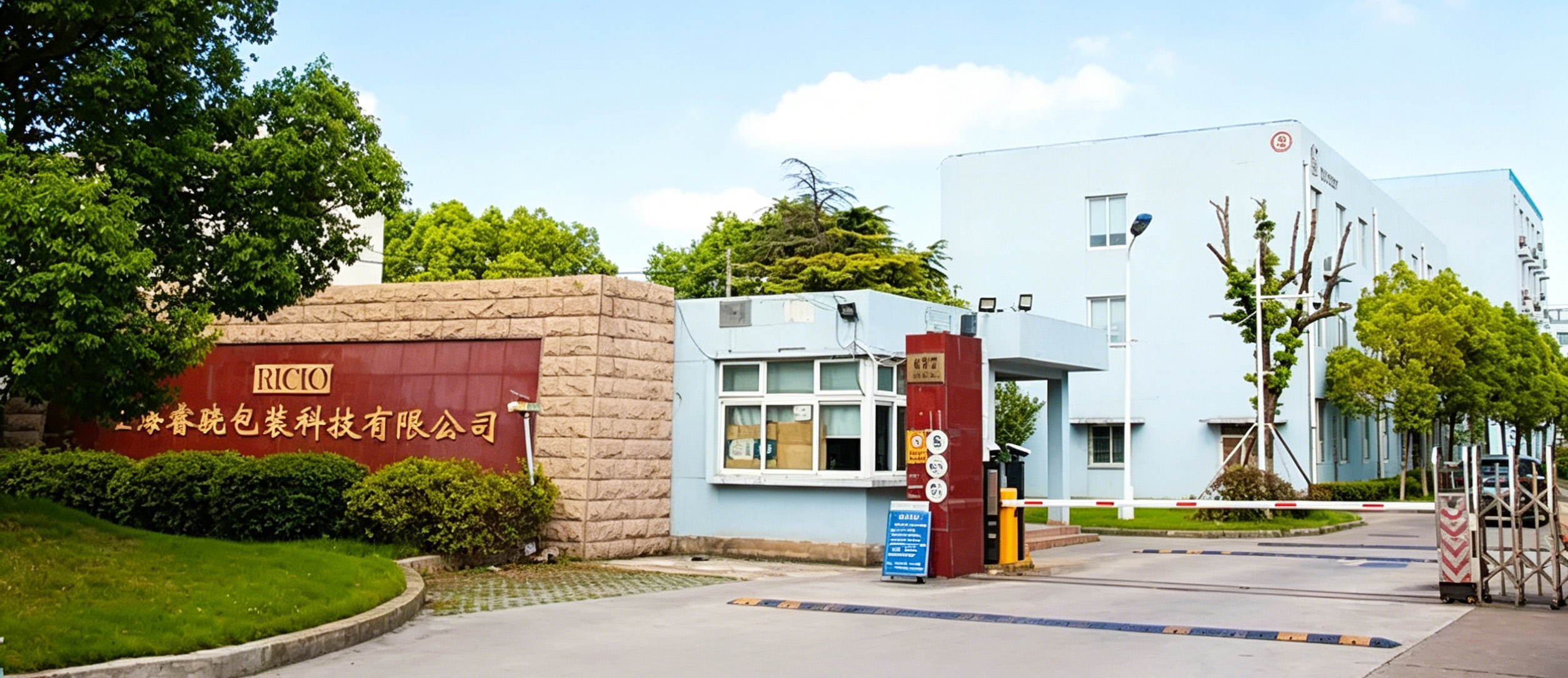
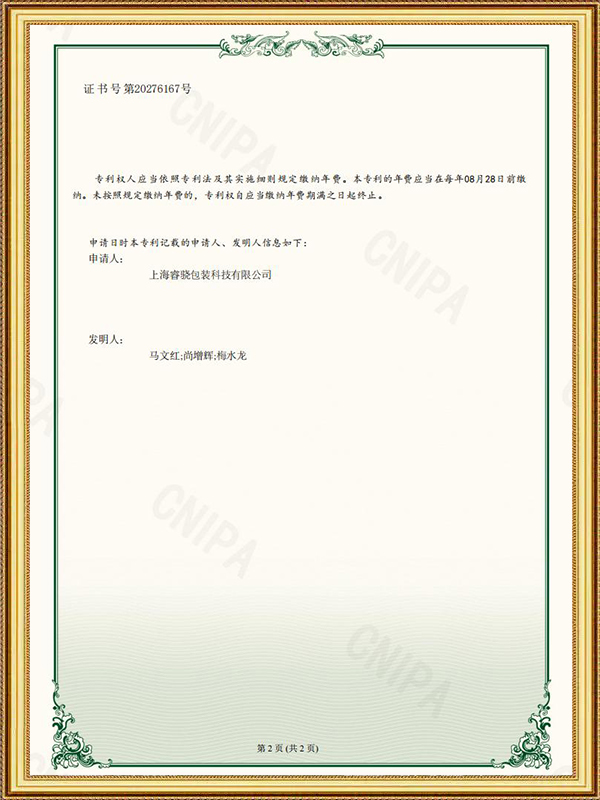
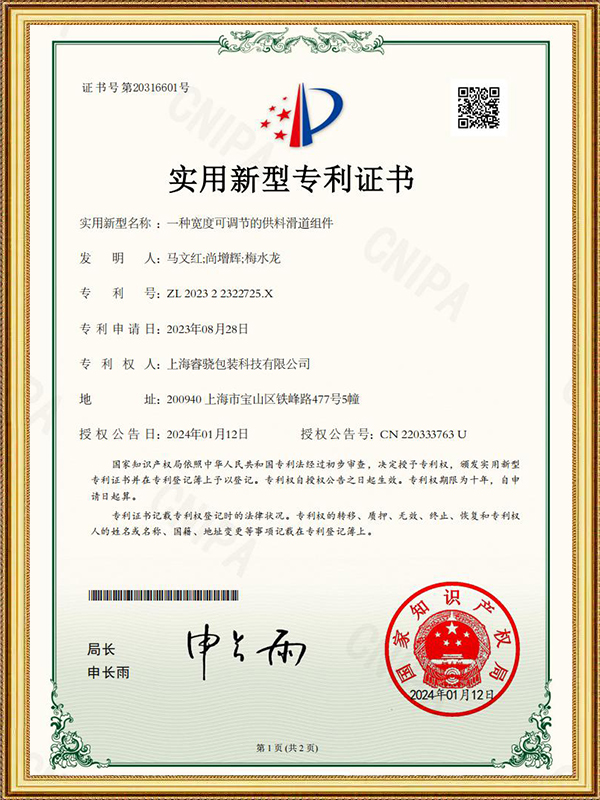
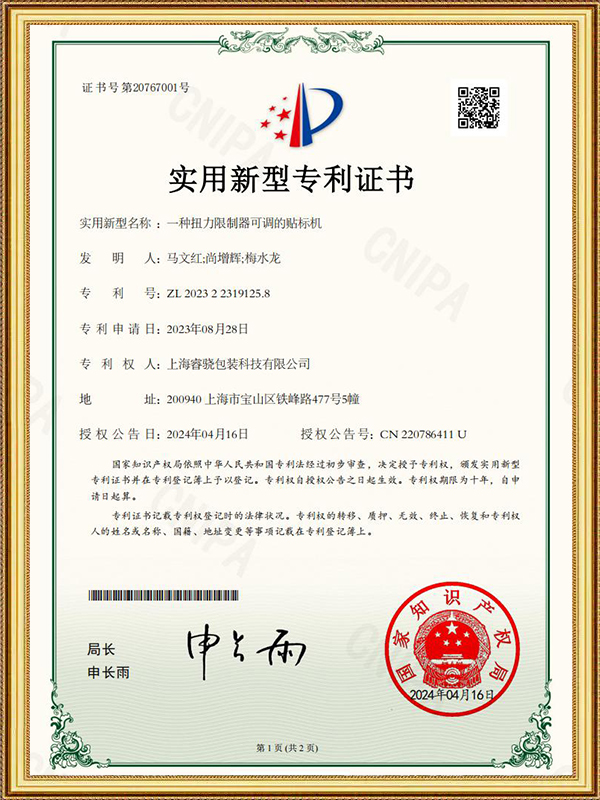
Shanghai Ruixiao Packaging Technology Co., Ltd.
As China OEM Bucket Labeling Machine Manufacturer and ODM Bucket Labeling Machine Supplier, RICIO engages in the R&D and manufacturing of labeling machinery and is headquartered in Shanghai, China. RICIO's manufacturing foundation stems from the strategic acquisition of Shanghai Zhenbao Machinery Parts Factory, a well-established local machining enterprise. This integration has transformed us from a simple equipment assembler into a source manufacturer with in-house precision machining capabilities.
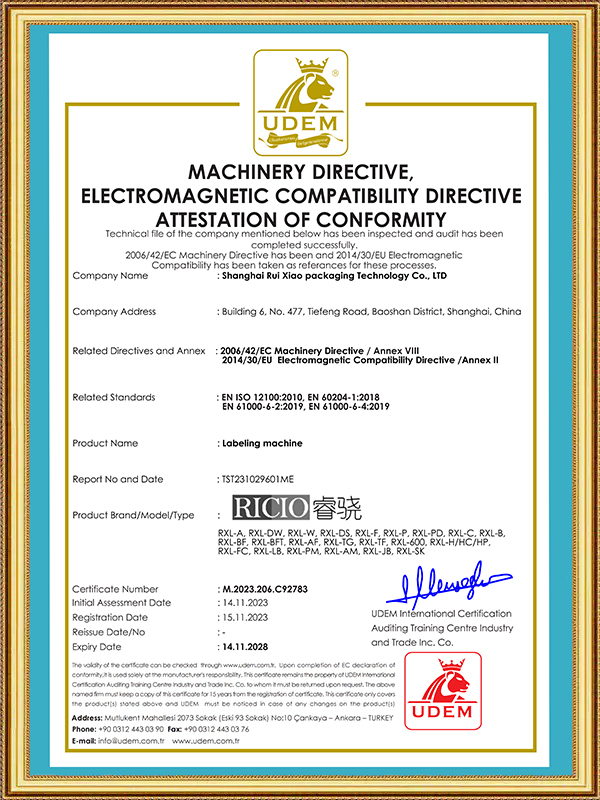
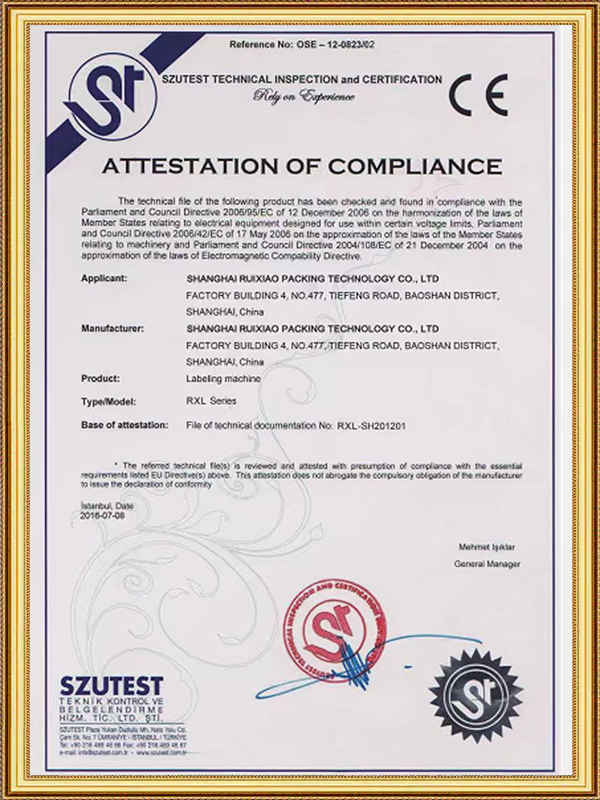
We are equipped with multiple CNC machining centers and an experienced technical team. From core component machining to complete machine assembly and commissioning, the entire process strictly adheres to the ISO 9001 international quality system, ensuring that every machine we deliver is built with a foundation of stable and reliable operation.
The direct conclusion: In-line print and apply labeling delivers the highest labeling accuracy and speed for variable-data packaging lines. When a packaging line must apply unique barcodes, lot numbers, expiration dates, or shipping labels without stopping, an in-line print-and-apply system is the ...
Why Coding on Bottle Labels Demands Precision Machinery
Coding directly onto bottle labels – not the bottle itself – has become the preferred method for beverage, pharmaceutical, and cosmetic manufacturers who need high-contrast, scannable date codes, lot numbers, and barcodes. Unlike direct‑to‑con...
What Is an Automatic Box Labeling Machine – And Why You Need One
An automatic box labeling machine is a piece of packaging equipment designed to apply pressure‑sensitive labels onto corrugated cartons, cardboard boxes, and similar containers without manual intervention. It eliminates the inconsiste...
A bucket labeling machine is the piece of end-of-line equipment responsible for applying labels onto round or near-round containers such as paint pails, chemical drums, lubricant buckets, and food-grade pails, before they move on to capping, sealing, or palletizing. The category covers several label formats, including wrap-around pressure-sensitive labels and front-and-back spot labeling, and it spans a wide range of industries where buckets rather than bottles or cartons are the primary container. Because bucket shapes, wall rigidity, and surface curvature vary far more than bottle packaging does, understanding how a bucket labeling machine behaves inside a real production line matters just as much as understanding the machine itself.
Where Bucket Labeling Fits in a Packaging Line
At Shanghai RICIO Packaging Technology Co., Ltd, most inquiries about a Bucket Labeling Machine start from a line integration question rather than a labeling question: how will the machine sit between an existing filling station and a capping station, and how will it handle buckets of slightly different diameters without a full changeover. A bucket labeling machine typically sits on a straight conveyor section, uses a sensor to detect each container as it arrives, and rotates or holds the bucket steady while the label is dispensed and pressed into place. The gap between containers, the conveyor speed, and the rigidity of the bucket wall all affect how consistently the label lands in the same position on every unit.
In practice, three line-level factors decide whether labeling stays reliable over a full shift:
Container diameter tolerance — buckets from different mold batches can vary by a few millimeters, which affects wrap-around registration
Surface condition — residue, condensation, or a slightly oily surface from the filling stage can weaken label adhesion if not accounted for
Conveyor synchronization — the labeling head speed needs to track the conveyor speed, not run independently of it
Practical Factors Behind Labeling Accuracy
Labeling accuracy is usually discussed as a single number, but it actually comes from several separate mechanical checks working together. Sensor detection has to correctly register where each bucket starts and ends, the label dispensing timing has to match the container's arrival, and the pressing mechanism has to apply even pressure so the label does not bubble or shift afterward. When a customer asks about a Bucket Labeling Machine, the RICIO team generally walks through these four checks together, since a machine that is fast but weak on any one of them will still produce inconsistent output.
None of these checks work well in isolation. A machine can have precise sensor detection and still mislabel buckets if the press mechanism is not adjusted for the wall thickness of that particular container batch, which is why calibration during commissioning is treated as part of the labeling accuracy discussion rather than a separate topic.
Installation, Commissioning and Operator Training
How a bucket labeling machine is brought online affects how quickly it reaches stable output, and this is treated as a separate stage from the equipment purchase itself. Where required, engineers travel to the buyer's location to carry out installation and commissioning, and this stage typically takes 3 to 7 days depending on how much line integration work is needed alongside the machine itself. Where on-site commissioning is not required, the customer instead receives training at the factory, is asked to read the operation manual before installation, and is given operation videos for reference.
Training itself, whether it takes place at the RICIO Shanghai factory or at the customer's own site, usually runs 1 to 2 working days and is organized around four practical areas:
Equipment structure and operating principles
Daily operation standards
Common troubleshooting steps
Routine maintenance essentials
Pre-Shipment Testing and Warranty Coverage
Before a machine leaves the factory, it is run through a full test cycle covering no-load stability, labeling accuracy, running speed, and safety response, since a fault in any one of these areas is far cheaper to catch before shipment than after installation. This same testing logic carries into how warranty support is structured once the machine is in service.
Warranty terms for equipment supplied by Shanghai RICIO Packaging Technology Co., Ltd
Coverage Item
Terms
Equipment warranty period
1 year from purchase
Supplier-side quality failures
Addressed with replacement parts
Wear parts (O-rings, belts)
Not warranty-covered, but supplied free with the equipment for one year of normal use
The distinction between the two categories matters for planning: a mechanical or electrical fault traced back to a supplier-side issue is resolved through replacement parts, while consumable items like O-rings and belts are treated as expected wear and are provided upfront rather than claimed later.
Frequently Asked Questions
How long does it take to get a bucket labeling machine running after delivery?
If on-site installation and commissioning are arranged, the typical window is 3 to 7 days. If the customer prefers not to have engineers travel, factory-based training plus the provided operation manual and videos are used instead, and the machine can be installed by the customer's own team.
Where can operator training take place?
Training can be arranged either at the RICIO Shanghai factory or at the customer's own site, and generally takes 1 to 2 working days regardless of location.
What happens if a part fails within the warranty period?
Failures traced to a supplier-side quality issue are handled by providing replacement parts within the 1-year warranty period. Wear items such as O-rings and belts sit outside the warranty itself but are supplied free of charge alongside the machine to cover a year of normal use.
Does bucket size variation affect labeling accuracy?
Yes. Small diameter differences between production batches of buckets can shift wrap-around registration, which is one reason sensor detection and press pressure are checked together during pre-shipment testing rather than treated as separate items.

 English
 русский
 Español
 عربى


 +86 13681850339
 sales@raxpack.com
 Building 6, No. 477 Tiefeng Road, Baoshan District, Shanghai, China
