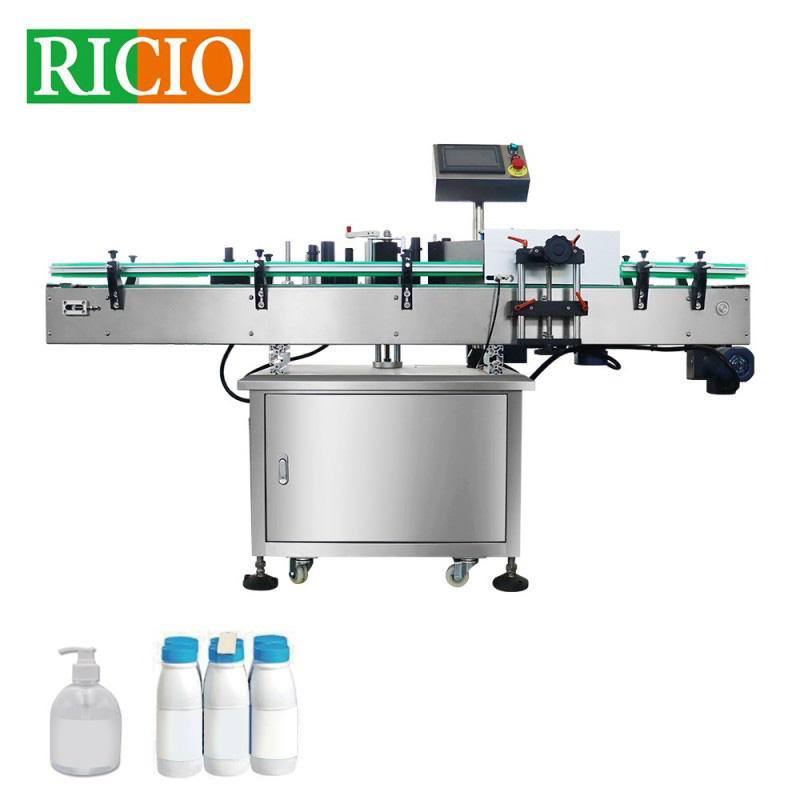
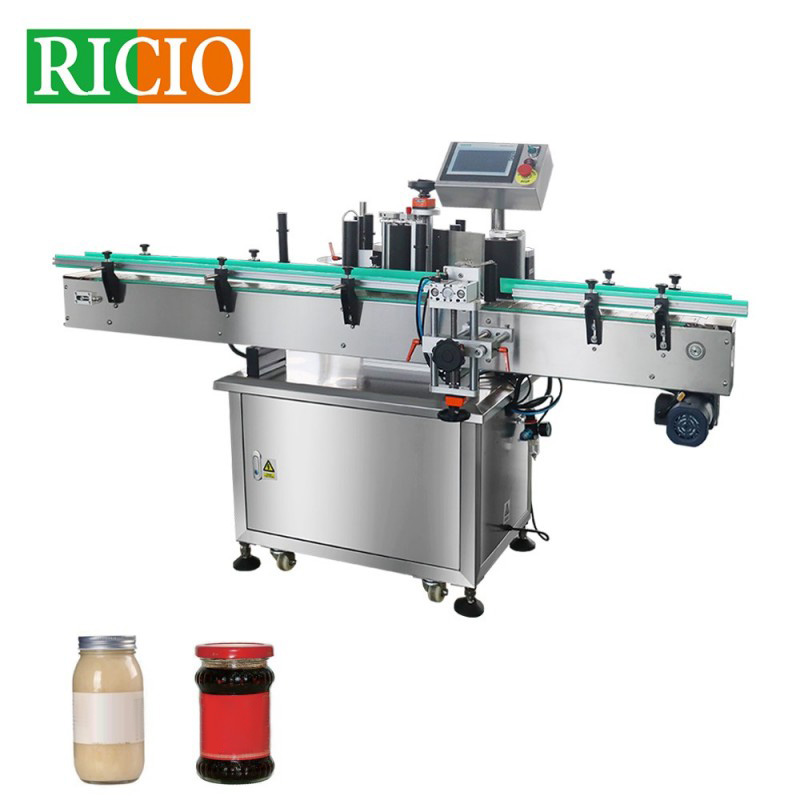
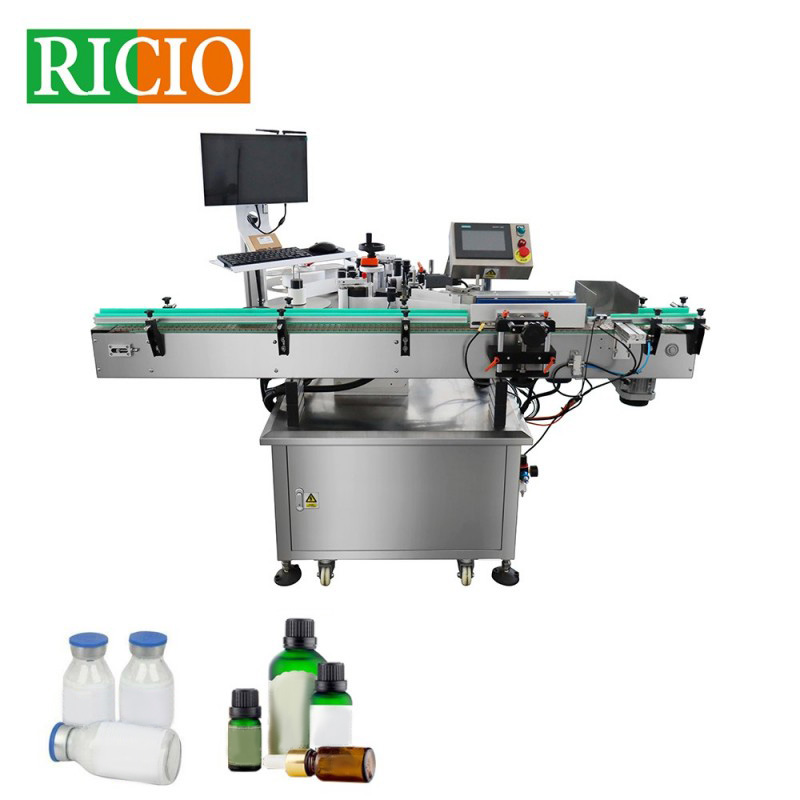
Round bottle labeling machine is designed to achieve the rationalization of production goals. Labeling process are automated, simple operation, fast production speed, labeling positioning is uniform, beautiful, neat; applicable to pharmaceutical, chemical, food and other industries, round container labeling, labeling and semi-circular labeling can be affixed to the full circumference of the labeling. Optional ribbon coder and printer, labeling at the same time to print the production lot number, production date and other information. Realize the integration of labeling and printing code, reduce the packaging process, improve production efficiency.
RICIO
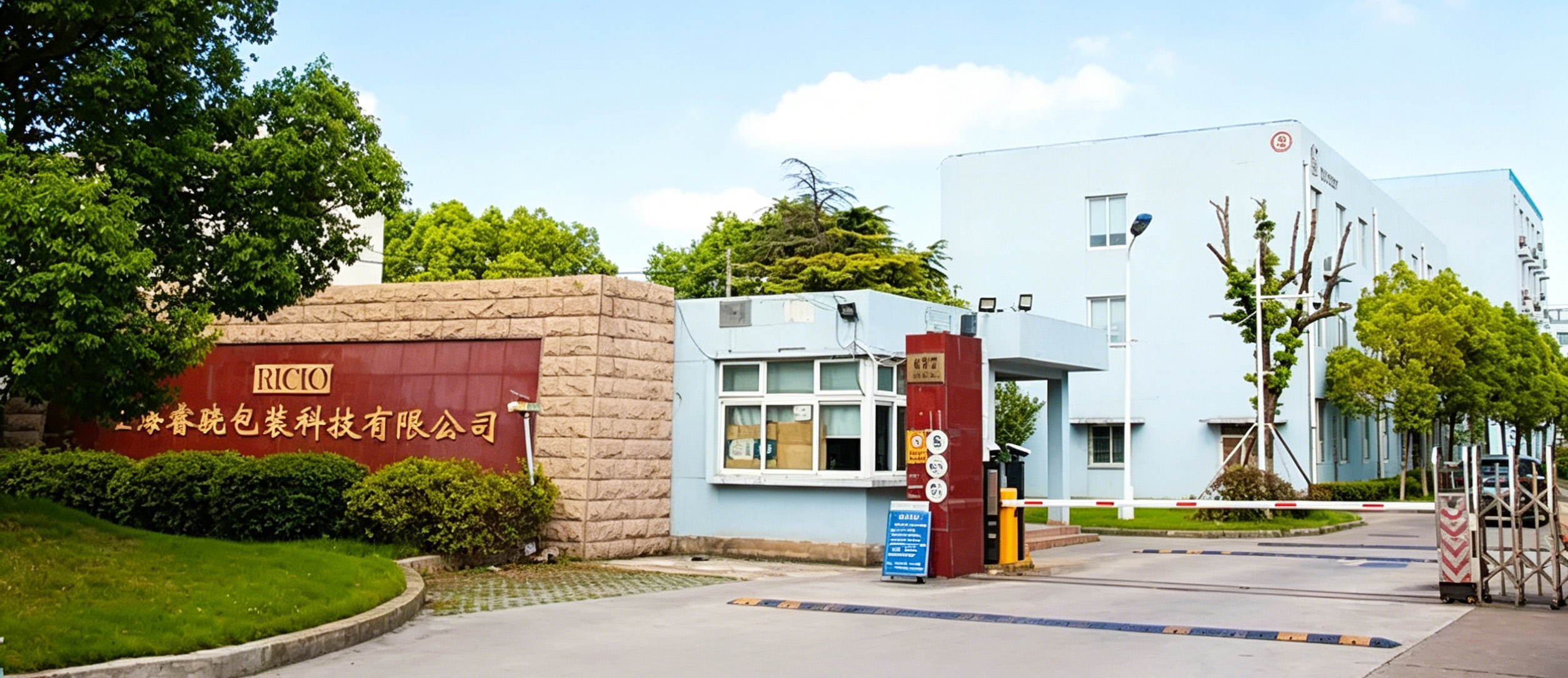
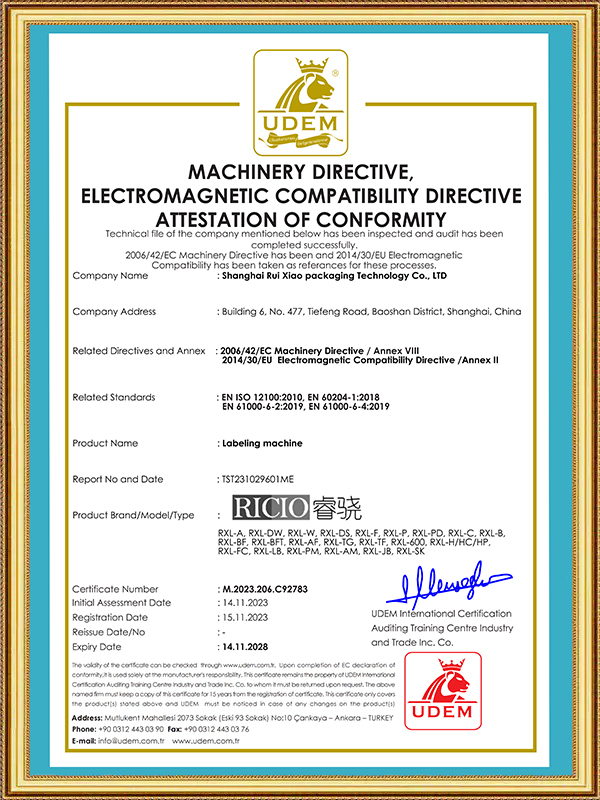
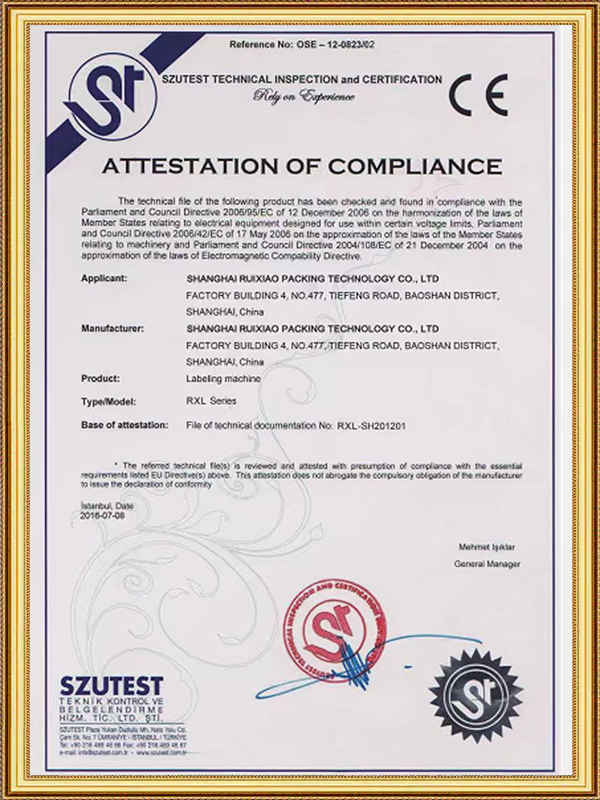
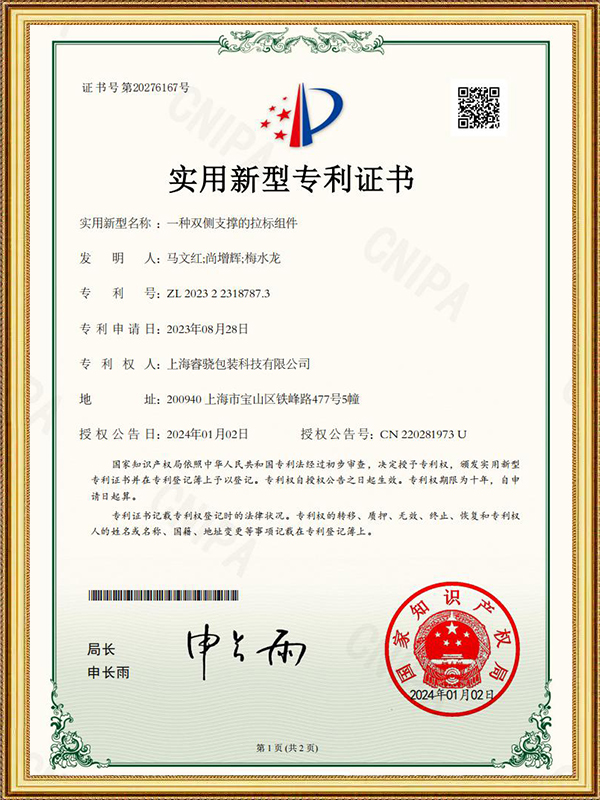
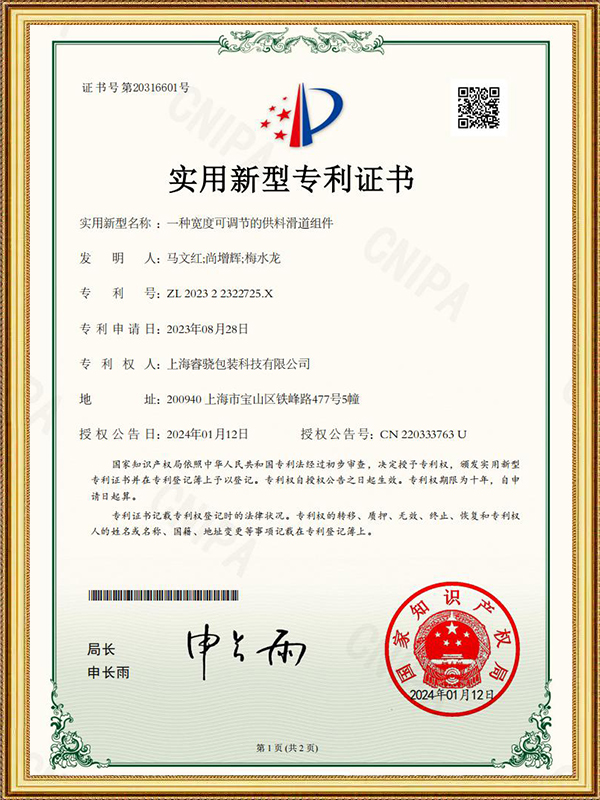
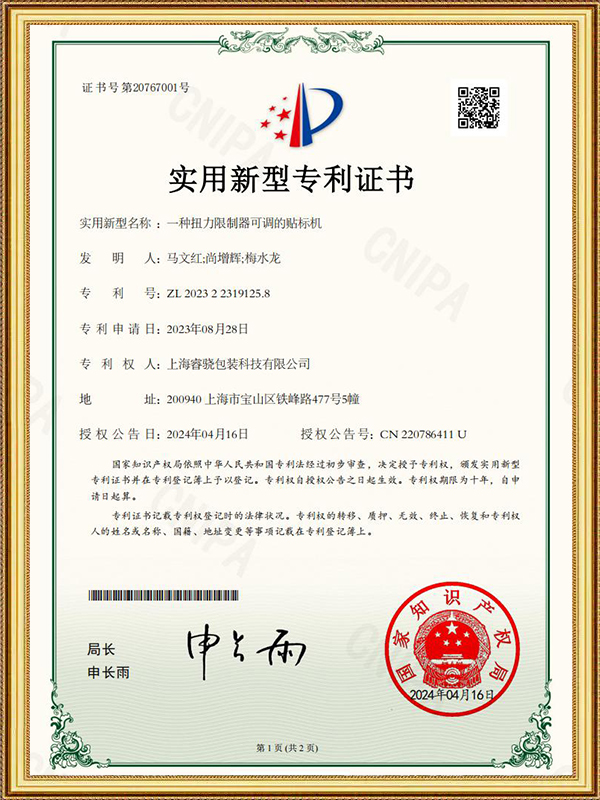
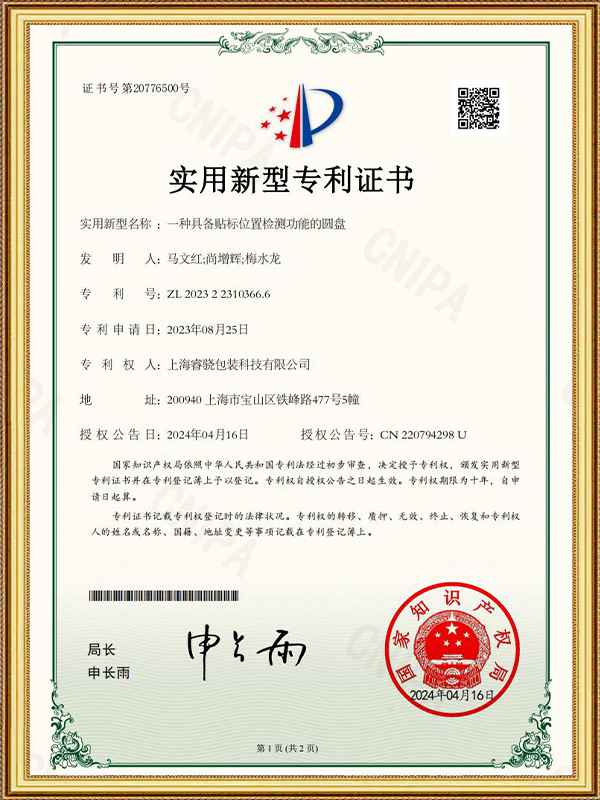
Shanghai Ruixiao Packaging Technology Co., Ltd.
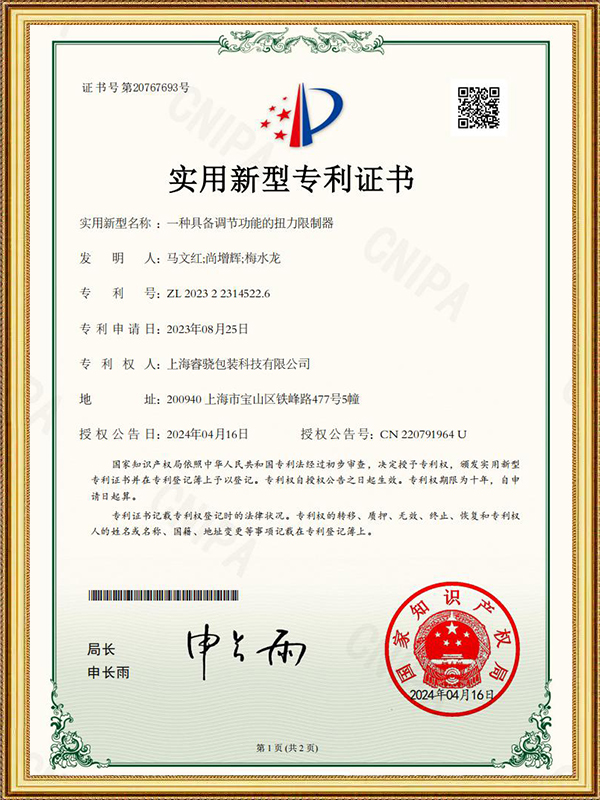
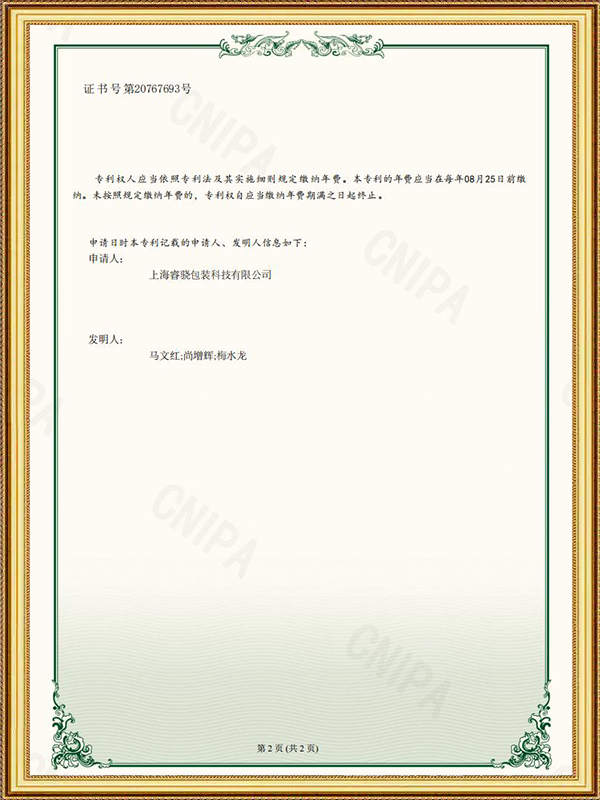
As China OEM Bottle Labeling Machine Manufacturer and ODM Round Bottle Labeling Machine Supplier, RICIO engages in the R&D and manufacturing of labeling machinery and is headquartered in Shanghai, China. RICIO's manufacturing foundation stems from the strategic acquisition of Shanghai Zhenbao Machinery Parts Factory, a well-established local machining enterprise. This integration has transformed us from a simple equipment assembler into a source manufacturer with in-house precision machining capabilities.
We are equipped with multiple CNC machining centers and an experienced technical team. From core component machining to complete machine assembly and commissioning, the entire process strictly adheres to the ISO 9001 international quality system, ensuring that every machine we deliver is built with a foundation of stable and reliable operation.
The direct conclusion: In-line print and apply labeling delivers the highest labeling accuracy and speed for variable-data packaging lines. When a packaging line must apply unique barcodes, lot numbers, expiration dates, or shipping labels without stopping, an in-line print-and-apply system is the ...
Why Coding on Bottle Labels Demands Precision Machinery
Coding directly onto bottle labels – not the bottle itself – has become the preferred method for beverage, pharmaceutical, and cosmetic manufacturers who need high-contrast, scannable date codes, lot numbers, and barcodes. Unlike direct‑to‑con...
What Is an Automatic Box Labeling Machine – And Why You Need One
An automatic box labeling machine is a piece of packaging equipment designed to apply pressure‑sensitive labels onto corrugated cartons, cardboard boxes, and similar containers without manual intervention. It eliminates the inconsiste...
A round bottle labeling machine handles one of the trickier jobs on a packaging line: wrapping a label evenly around a surface that keeps turning while the container itself moves down the line. Under the broader label of bottle labeling machine, buyers usually run into a handful of related terms for what is functionally the same category of equipment — a bottle labeler built for continuous high-volume runs, a bottle label applicator sized for smaller or mixed batches, and machines marketed specifically as a round bottle labeler or round bottle label applicator. Whatever the naming, a labeling machine for round bottle products is judged on the same short list of things: how tightly it keeps the label registered on a curved surface, how well it tolerates bottles that aren't perfectly identical, and how little downtime it causes when something in the line goes wrong.
Drive Systems Set the Ceiling on Speed and Accuracy
The single biggest factor separating a fast, accurate bottle labeling machine from a mediocre one is what drives the label head and the bottle-turning mechanism. Machines built on Panasonic servo systems and Panasonic main motors, paired with Delta PLCs and control modules, keep the label dispenser and the rotating bottle carrier locked in sync at every point in the cycle. That synchronization is what allows Shanghai RICIO Packaging Technology to push output up to 500 pieces per minute without dropping label placement accuracy, since the servo loop corrects position continuously rather than relying on a fixed mechanical cam.
In practical terms, torque and synchronization matter more than raw motor speed once a line runs past a few hundred bottles a minute. A motor with plenty of torque but poor synchronization will still slip and produce skewed or missed labels; a well-synchronized servo loop with adequate torque holds the label straight even as line speed climbs.
Where the Core Components Actually Come From
A bottle labeler's reliability comes down to the sourcing of a fairly small set of components: servo drives, control modules, sensors, and pneumatics. Rather than sourcing whichever part is cheapest at a given moment, the company maintains long-term relationships with the same group of established suppliers across projects, which keeps behavior consistent from one machine to the next and makes servicing predictable years after installation.
Supplier
Origin
Typical Role on the Line
Panasonic
Japan
Servo systems, main motors
Delta
Taiwan
PLCs, control modules
Schneider
France
Electrical control components
Omron / Keyence
Japan
Sensing and detection
Siemens / Leuze
Germany
Control and optical sensing
SMC / AirTAC
Japan / Taiwan
Pneumatic actuation
Bando / Samsung
Japan / Korea
Belting and drive components
Long-term supplier partnerships used across labeling equipment lines.
This is really a sourcing question as much as an engineering one — a bottle labeler built from components with traceable, stable supply chains is far easier to keep running for a decade than one assembled from whatever parts happened to be available at build time, and RICIO's equipment quality is anchored in that sourcing discipline from the start.
Catching Problems Before They Become Line Stoppages
On a line running several hundred bottles a minute, a fault that goes unnoticed for even thirty seconds can produce a large batch of mislabeled or unlabeled product. A properly built bottle label applicator needs to catch that fault at the moment it happens, not after a downstream inspection flags it. The system monitors for label shortage, ribbon breakage, missed labeling, counting overload, and mechanical faults, and stops the machine with an alarm as soon as any of these is detected — which keeps a small hiccup from turning into a pallet of rework.
Why speed and self-monitoring have to come together
Pushing line speed up without matching fault detection just moves the risk downstream — more bottles pass through before anyone notices a problem. The general pattern across the industry is that as synchronization improves, the gap between conventional motor-driven setups and servo-synchronized ones widens noticeably at higher speeds.
RICIO's fault-diagnosis logic is built into the same control loop as the servo drive, so detection and correction happen on the same cycle rather than as a separate bolt-on system.
Standard Machines, Custom Builds, and What Happens After Installation
Engineering depth behind a round bottle labeler
Not every project fits a catalog model. Bottle shapes, label materials, and line layouts vary enough that a standard round bottle labeler sometimes needs real modification rather than a cosmetic change. With an engineering team carrying over 30 years in the labeling industry, RICIO holds labeling accuracy to ±0.5mm whether the project is a standard configuration or a full OEM/ODM build, which is the kind of tolerance that matters most on smaller or irregularly shaped containers.
After-sales support once the machine is on the floor
Technical inquiries answered within 24 hours
On-site installation and commissioning support from engineers
Full machine warranty covering 1 year
Commonly used wear parts supplied with the equipment
A round bottle label applicator that arrives with wear parts already on hand avoids the common scenario where a line sits idle for weeks waiting on a small replacement part to ship internationally.
Common Questions About Round Bottle Labeling Machines
How fast can a round bottle labeling line actually run?
With a servo-driven labeling machine for round bottle products, output can reach up to 500 pieces per minute without missed labels, though real throughput on a given line also depends on bottle shape and label size.
What happens if the machine runs out of labels mid-run?
The fault-diagnosis system detects label shortage, ribbon breakage, and similar issues in real time and stops the machine with an alarm rather than letting bottles pass through unlabeled.
Can a standard model be adapted for an unusual bottle shape?
Yes — RICIO's engineering team supports both standard configurations and OEM/ODM customization, holding ±0.5mm labeling accuracy across both.
What support is available after the machine is installed?
Technical response within 24 hours, on-site installation and commissioning, a 1-year full machine warranty, and commonly used wear parts included with the equipment.

 English
 русский
 Español
 عربى


 +86 13681850339
 sales@raxpack.com
 Building 6, No. 477 Tiefeng Road, Baoshan District, Shanghai, China
