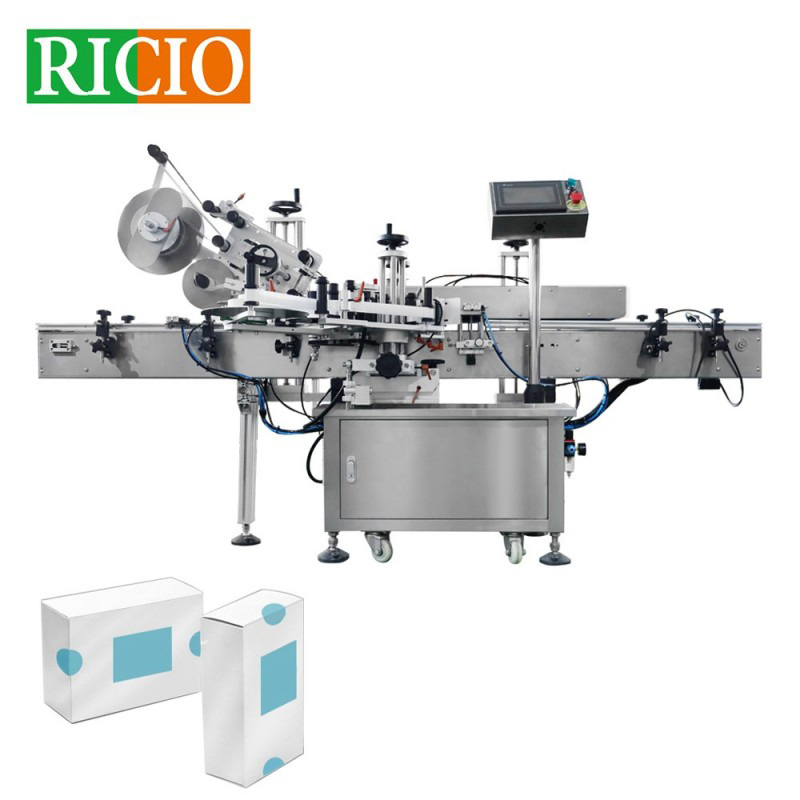
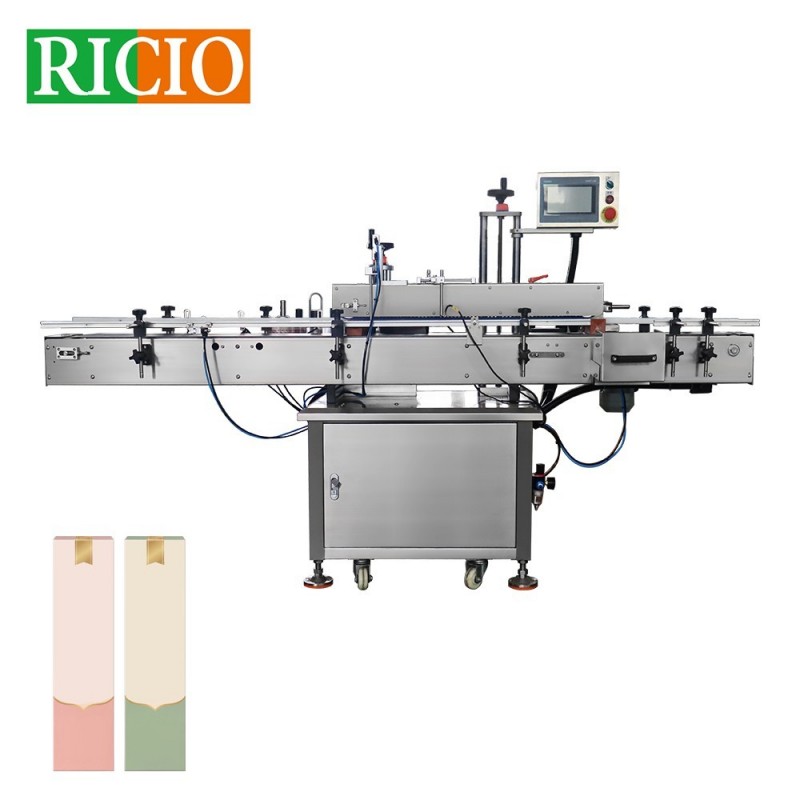
Corner label applicator plus printer according to the principle of automatic labeling and technical requirements for the special design and manufacture. Particularly suitable for carton sealing labeling; has a compact structure, light weight, simple operation, reliable operation, easy maintenance, fast labeling speed, labeling smooth and beautiful adaptability and other advantages, is the modern advanced labeling machinery in the best.
RICIO
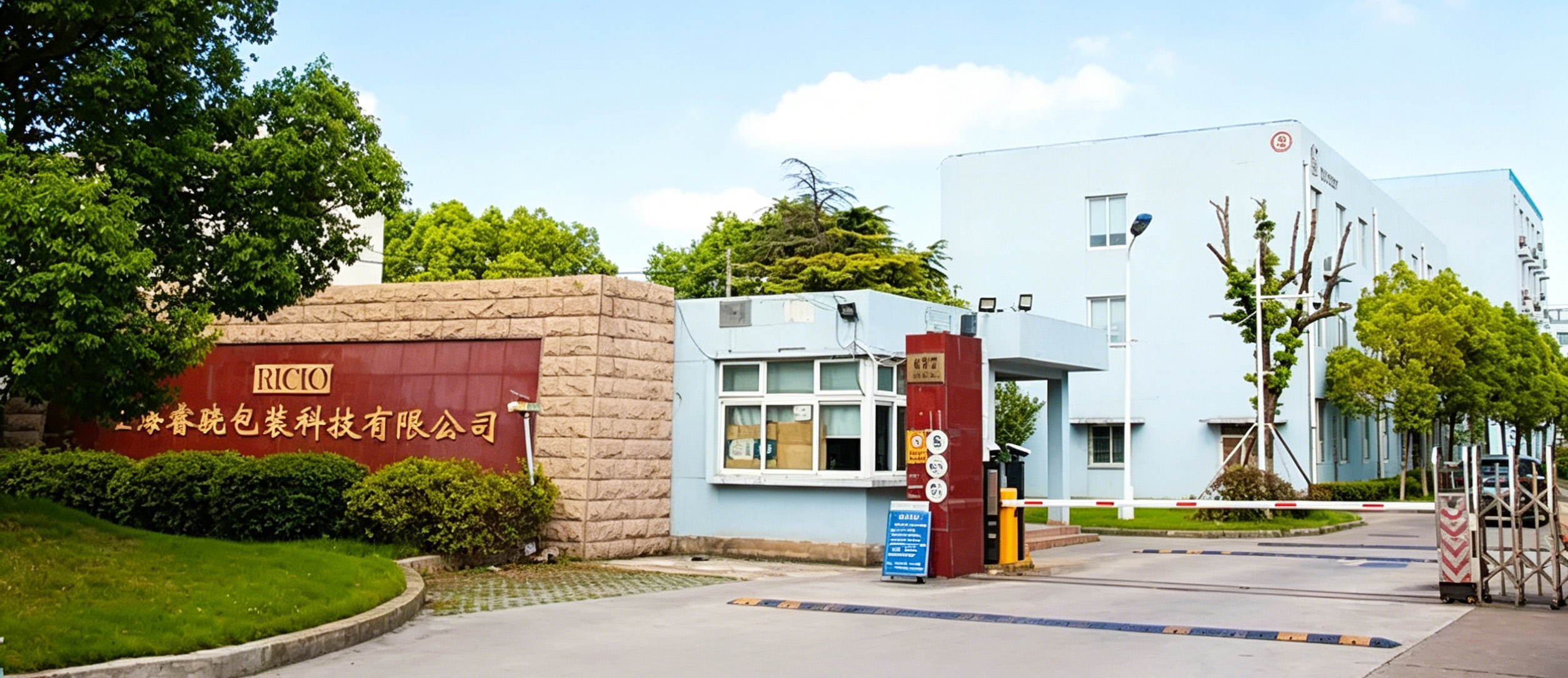
Shanghai Ruixiao Packaging Technology Co., Ltd.
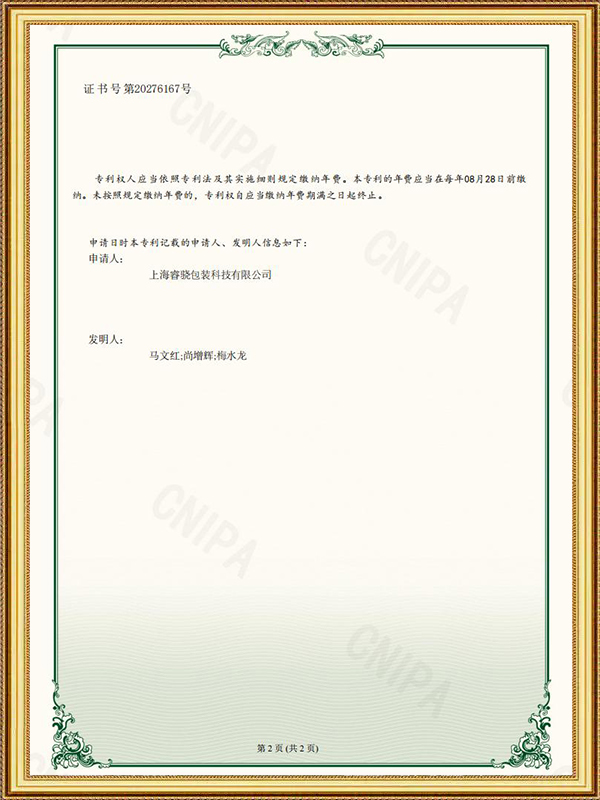
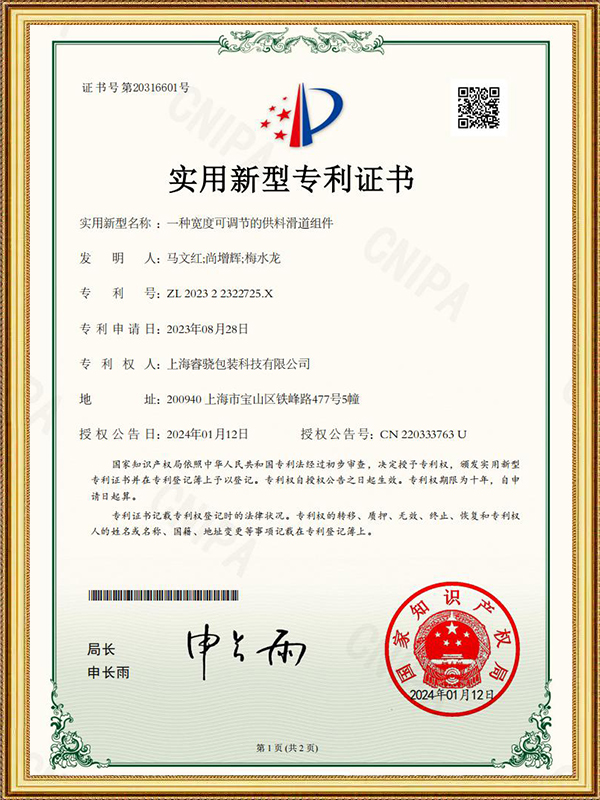
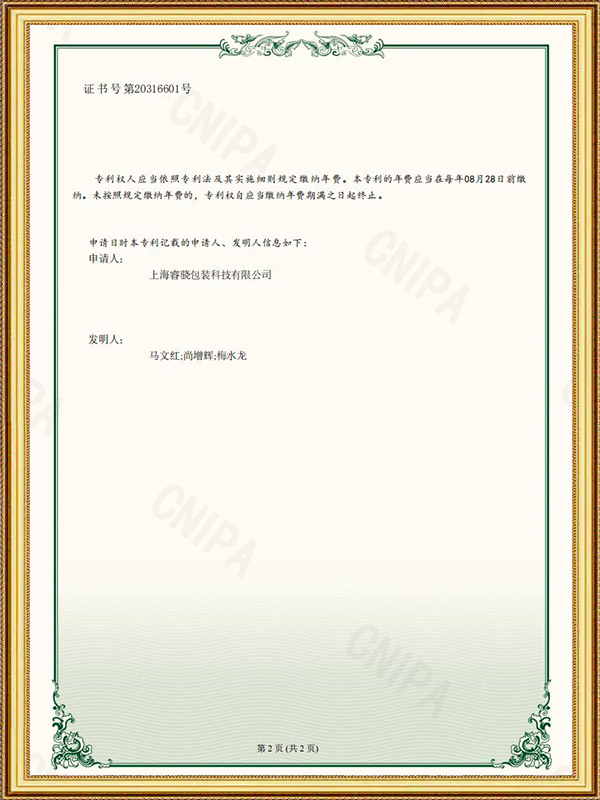
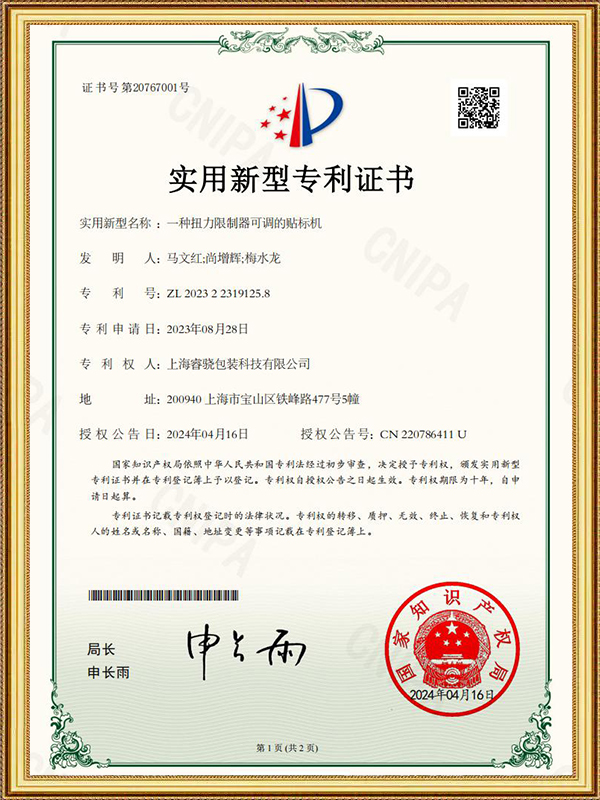
As China OEM Right Angle Labeling Machine Manufacturer and ODM Corner Label Applicator Supplier, RICIO engages in the R&D and manufacturing of labeling machinery and is headquartered in Shanghai, China. RICIO's manufacturing foundation stems from the strategic acquisition of Shanghai Zhenbao Machinery Parts Factory, a well-established local machining enterprise. This integration has transformed us from a simple equipment assembler into a source manufacturer with in-house precision machining capabilities.
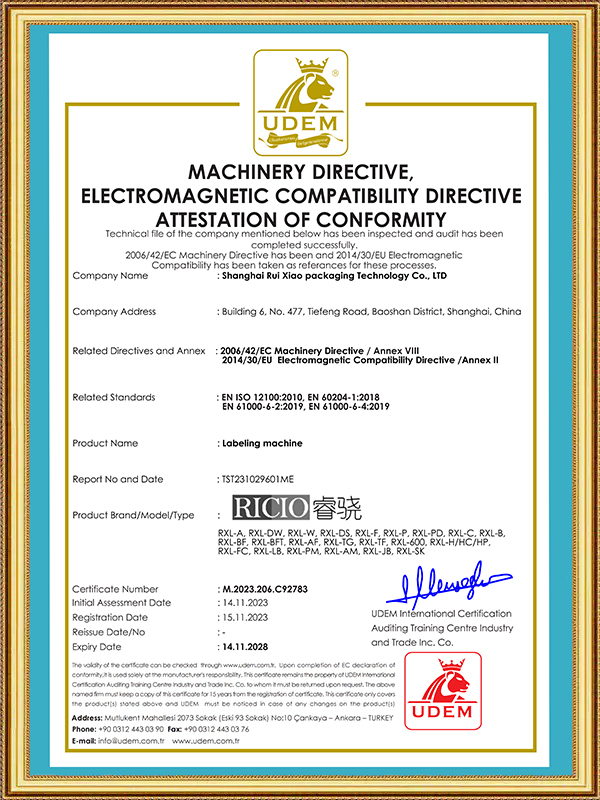
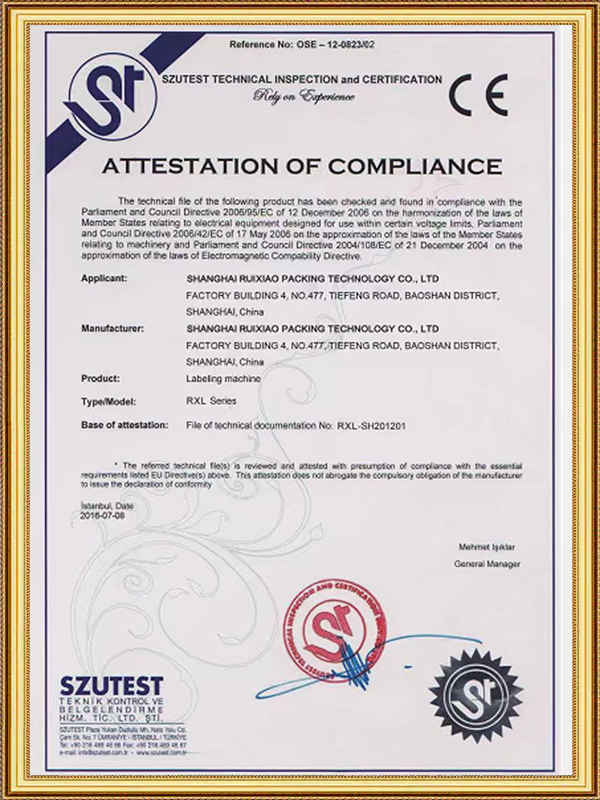
We are equipped with multiple CNC machining centers and an experienced technical team. From core component machining to complete machine assembly and commissioning, the entire process strictly adheres to the ISO 9001 international quality system, ensuring that every machine we deliver is built with a foundation of stable and reliable operation.
The direct conclusion: In-line print and apply labeling delivers the highest labeling accuracy and speed for variable-data packaging lines. When a packaging line must apply unique barcodes, lot numbers, expiration dates, or shipping labels without stopping, an in-line print-and-apply system is the ...
Why Coding on Bottle Labels Demands Precision Machinery
Coding directly onto bottle labels – not the bottle itself – has become the preferred method for beverage, pharmaceutical, and cosmetic manufacturers who need high-contrast, scannable date codes, lot numbers, and barcodes. Unlike direct‑to‑con...
What Is an Automatic Box Labeling Machine – And Why You Need One
An automatic box labeling machine is a piece of packaging equipment designed to apply pressure‑sensitive labels onto corrugated cartons, cardboard boxes, and similar containers without manual intervention. It eliminates the inconsiste...
Right-angle labeling covers a fairly specific corner of packaging automation: getting a single label to wrap cleanly across two panels of a box, tub, or tray that meet at roughly 90 degrees — a side wall and a top flap, or two adjoining faces of a corrugated corner. A corner label applicator handles that wrap in one continuous motion, syncing the conveyor, the label dispense timing, and a folding or wiping arm so the crease lands exactly on the edge instead of bunching to one side. As a category, a right angle labeling machine sits between simple flat-top labeling and full-body sleeve wrapping — it needs the folding precision of the latter without the mechanical weight of a complete wrap system. The scope covers L-shaped panels, hinged lids, tapered box corners, and mixed-material surfaces where a straight-line labeler would either wrinkle the label or miss the fold entirely.
How a Corner Labeling Cycle Actually Runs
At Shanghai RICIO Packaging Technology Co., Ltd, the way we describe this to new customers is simple: a corner wrap is really three timed events happening within a fraction of a second — dispense, fold, and press. If any one of those drifts even slightly out of sync with belt speed, the label either lands crooked or the fold curls up at the edge instead of sitting flat. That's why the mechanism matters more than the label material or adhesive in most complaints we see from operators switching over from flat labelers.
Why Timing Beats Raw Speed
A machine can technically run fast and still produce a high reject rate if the fold arm and the dispense head aren't locked to the same clock. Running our own equipment with Panasonic servo motors paired with Delta PLC control, the fold and dispense stay on one synchronized signal rather than two separately timed mechanisms, which is the main reason output can climb toward 500 pieces per minute without a rise in missed or skewed labels.
Typical throughput ranges by labeling method, based on standard corrugated carton runs.
Matching the Machine to the Package Corner
Not every corner is the same corner. A soft-sided tray flexes under pressure and needs a lighter wiping stroke, while a rigid cosmetic box needs firmer, more even pressure across the full crease or the label edge lifts within a day. This is a big part of what a Corner Label Applicator is actually solving for — not just "put label on box," but adapting fold pressure and dwell time to the substrate in front of it.
Corrugated shipping cartons — stiffer material, tolerant of firmer pressure
Rigid cosmetic or gift boxes — coated surfaces where adhesive tack and dwell time matter more than pressure
Thin-wall trays and cartons — need a lighter wipe to avoid denting the corner
Beveled or tapered corners — require an adjustable fold angle rather than a fixed 90-degree arm
Packaging Type
Typical Corner Challenge
Suggested Handling
Corrugated carton
Rough surface texture
Firmer roller pressure, standard dwell
Rigid cosmetic box
Coated, low-friction finish
Extended dwell for adhesive tack
Thin-wall tray
Corner denting under pressure
Lighter wipe stroke, softer roller
Beveled corner box
Non-90-degree fold angle
Adjustable fold-arm geometry
General corner-labeling considerations by packaging substrate.
What Keeps Corner Placement Consistent at Speed
The gap between a cheap corner labeler and one that holds its accuracy line shift after line shift usually comes down to drive type. A basic right angle labeling machine built on pneumatic cylinders can place labels well enough at low speed, but as throughput climbs, timing drift shows up as skewed labels or partial folds.
Illustrative missed-label pattern as line speed (pieces/min) increases, by drive type.
Four Factors Worth Comparing Before You Buy
Pneumatic-driven applicator (orange) versus servo-driven right angle labeling machine (green) on four operating factors.
The consistency in that outer green line is the part operators notice on a factory floor before they ever see a spec sheet — fewer stoppages to re-feed a curled label, fewer manual corrections at the end of the line. It's also the standard we hold our own production line to at Shanghai RICIO Packaging Technology Co., Ltd, since Wisdom and Precision are two of the values we build equipment around, not just words on a wall.
Common Questions About Corner Label Applicators
Can one machine handle both flat and corner labeling?
Some configurations combine a flat-top head with a folding arm on the same frame, but the fold mechanism still needs its own timing loop. Bolting a fold arm onto a machine built purely for flat labeling usually shows up as inconsistent creases within the first few thousand cycles.
Does box size variation cause problems for a right angle labeling machine?
It can, if the fold-arm position is fixed. Sensor-guided detection of the box edge before the fold cycle starts is what allows a single setup to handle a mixed batch of carton heights without a manual reset between runs.
Why do some corner labels lift at the edge after a few days?
Most edge lifting traces back to dwell time — the roller or wipe arm not holding the fold in place long enough for the adhesive to set on that specific substrate. It's a settings issue more often than an adhesive issue.
What maintenance keeps corner accuracy from drifting over time?
A short routine handles most of it:
Check the fold-arm pivot for play or looseness weekly
Clean the dispense sensor lens to prevent misreads
Confirm servo and PLC timing sync after any speed change
Inspect the roller surface for wear that could unevenly press the fold

 English
 русский
 Español
 عربى


 +86 13681850339
 sales@raxpack.com
 Building 6, No. 477 Tiefeng Road, Baoshan District, Shanghai, China
