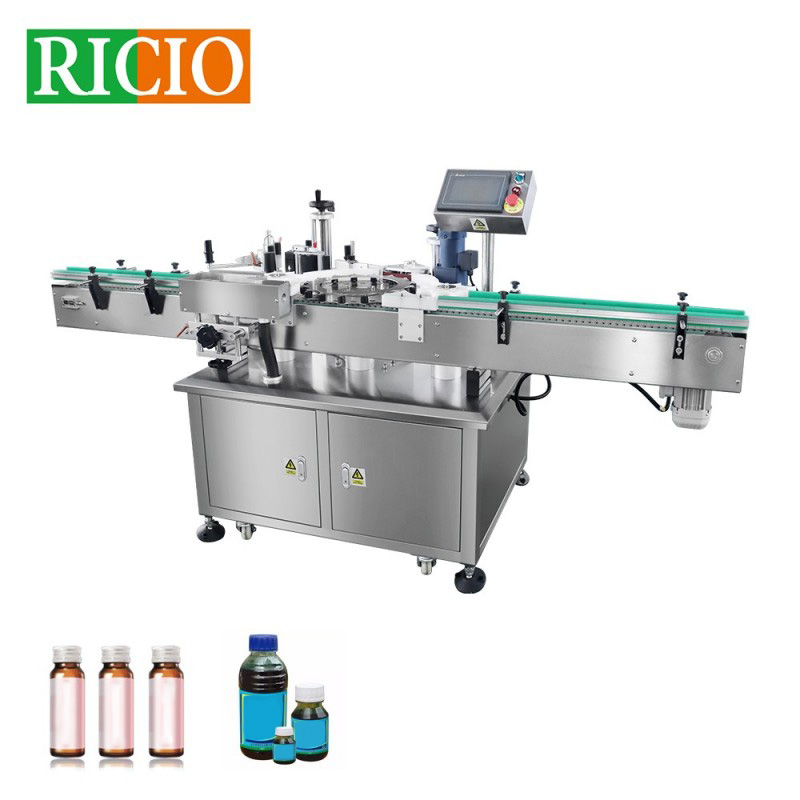
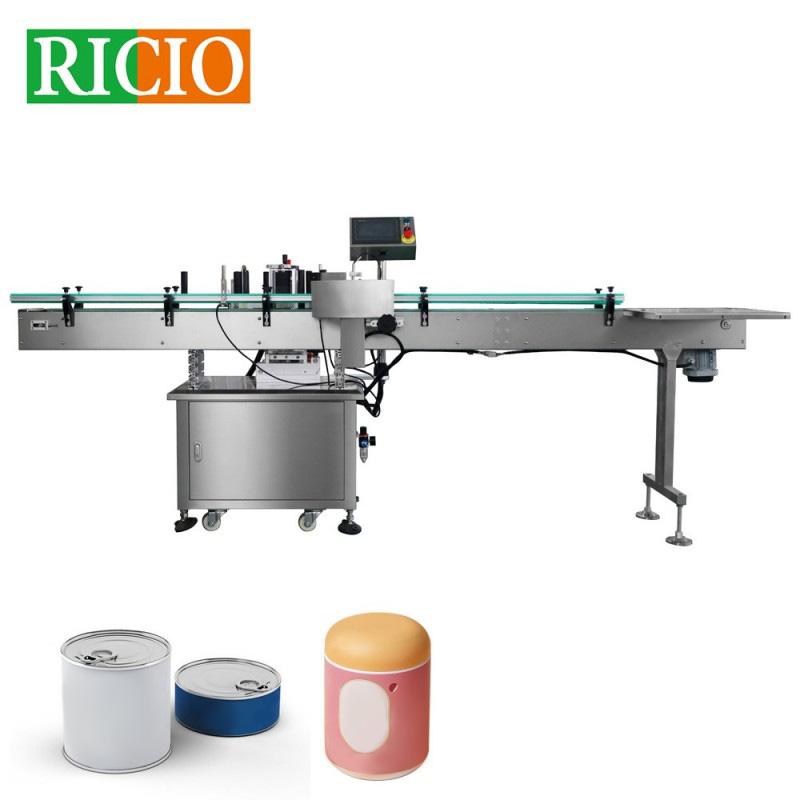
Rotary labeling machine, according to the principle of automatic labeling and technical requirements for special design and manufacture. Especially suitable for matching the production line; has a compact structure, light weight, simple operation, reliable operation, easy maintenance, fast labeling speed, labeling smooth and beautiful adaptability and other advantages, is the best modern labeling machines.
Rotary labeling machine to achieve reasonable production goals and design. The labeling process is automatic operation, simple operation, fast production speed, uniform labeling location, beautiful, neat, applicable to pharmaceutical, chemical, food and other industries, circular containers labeling, full Circle and semi-circle labeling can be affixed. Optional Ribbon Printer and inkjet printer, label printing production batch number, production date and other information, realize the integration of label and spurt code, reduce packaging process, improve production efficiency.
RICIO
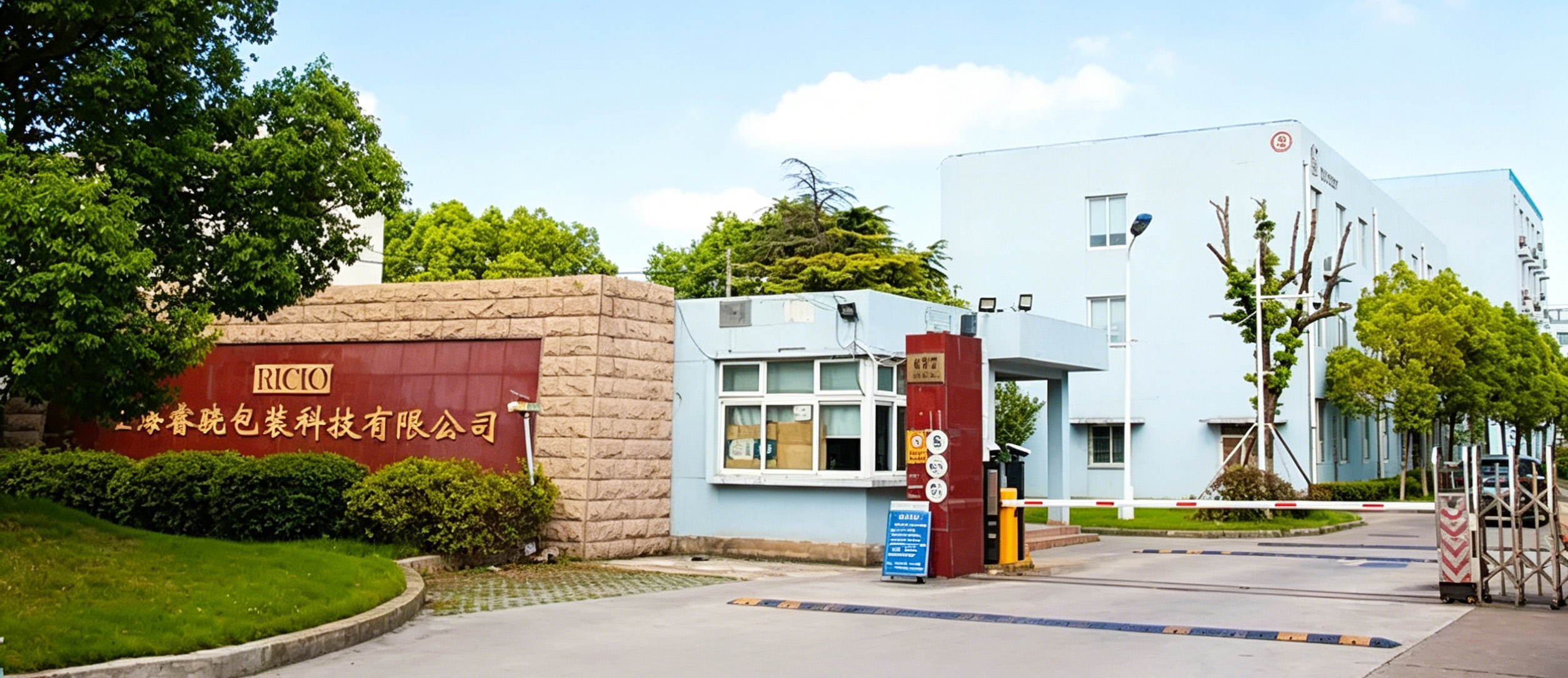
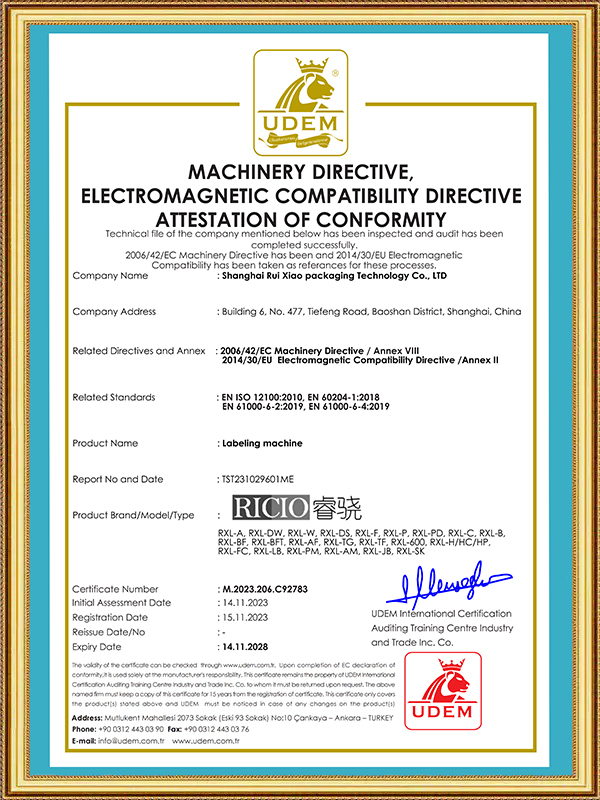
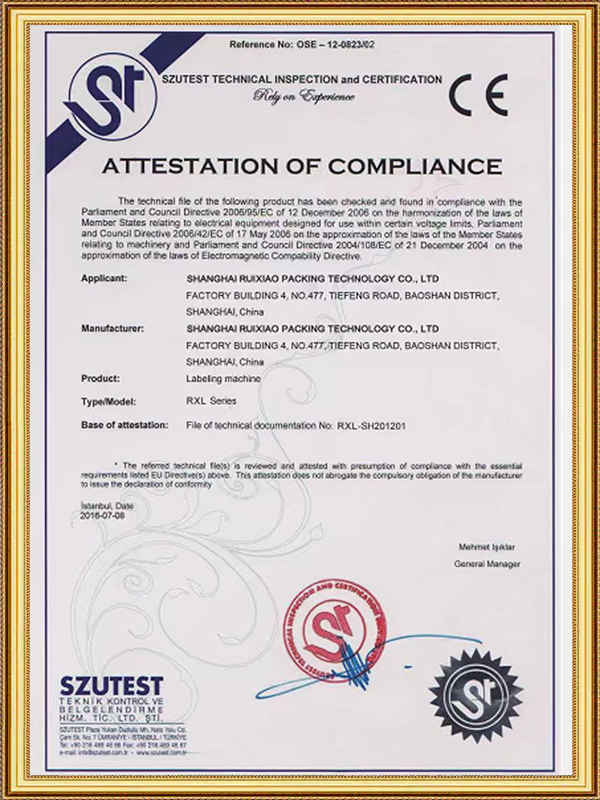
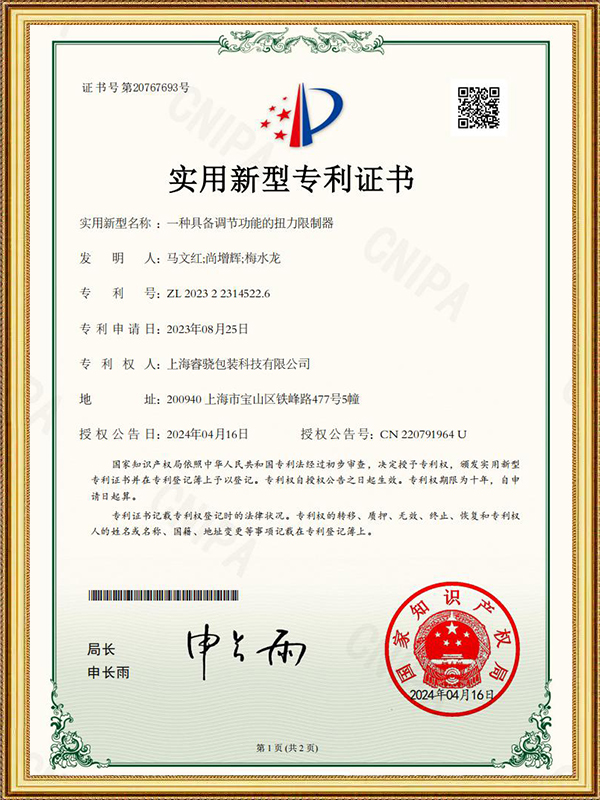
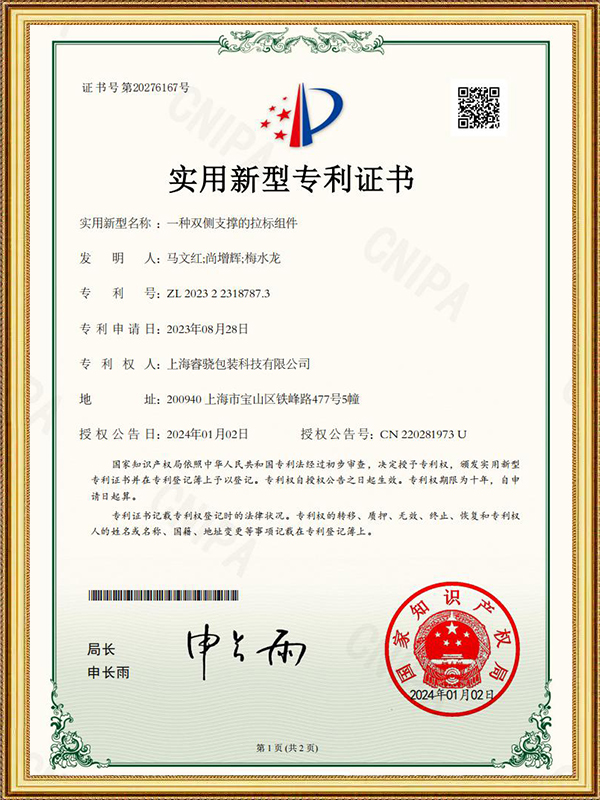
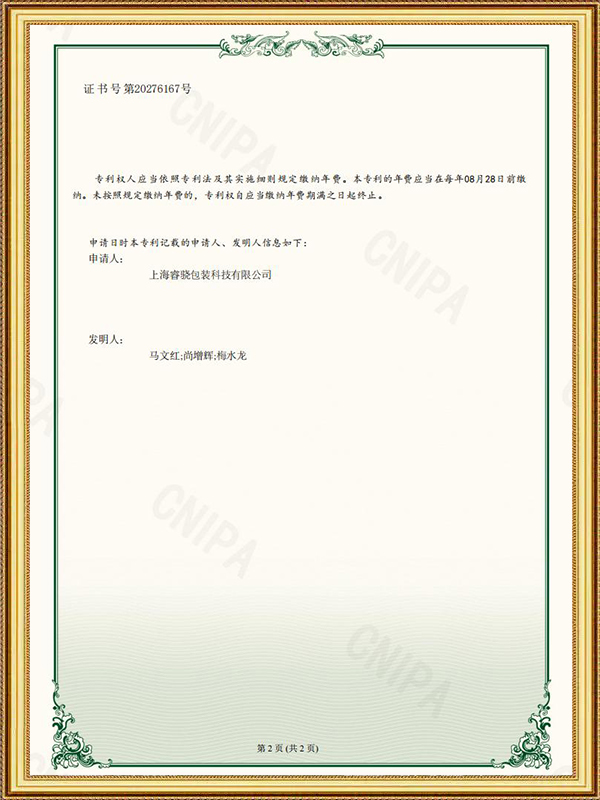
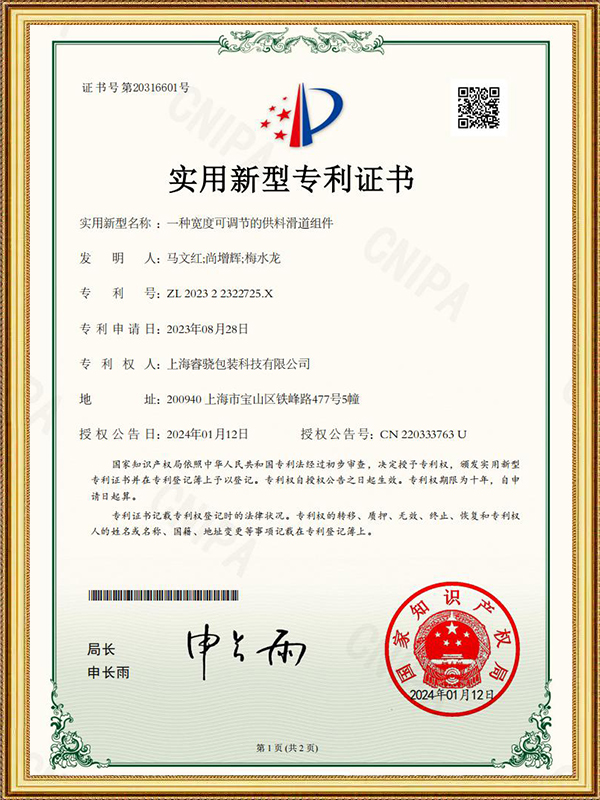
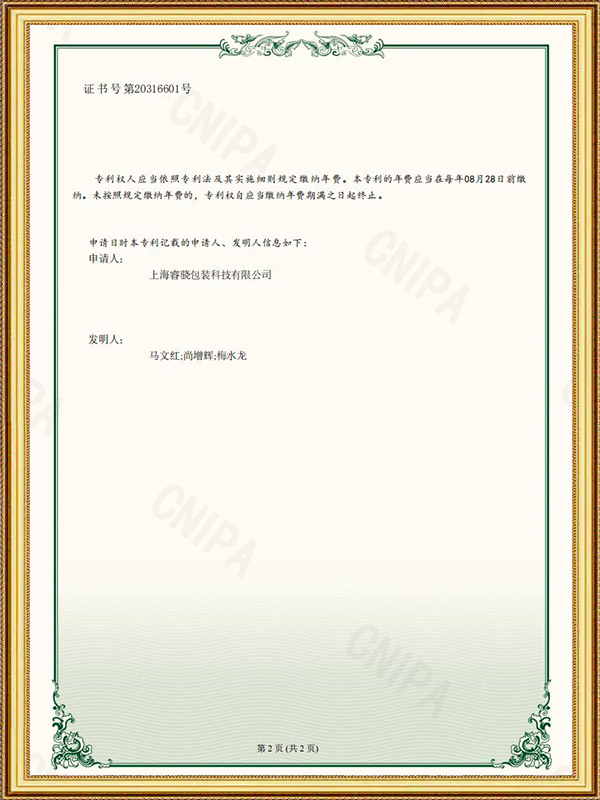
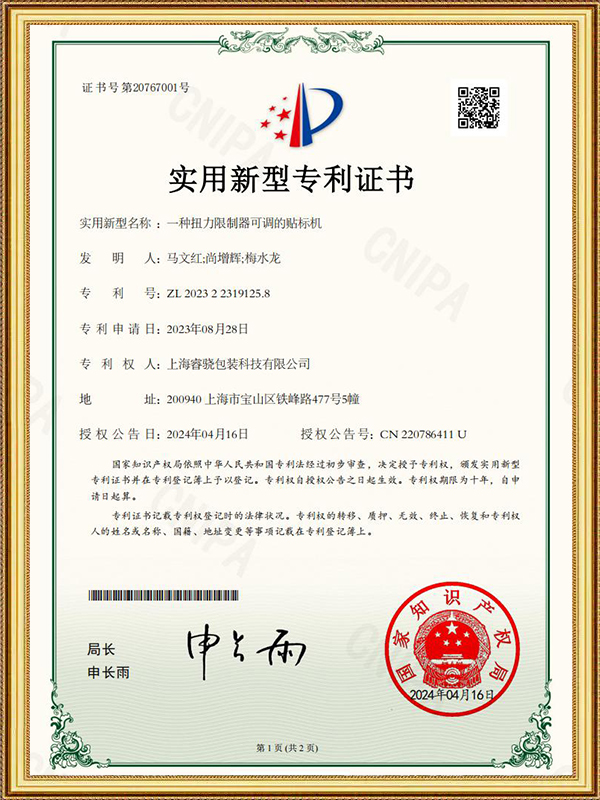
Shanghai Ruixiao Packaging Technology Co., Ltd.
As China OEM Rotary Labeler Manufacturer and ODM Rotary Labeling Machine Supplier, RICIO engages in the R&D and manufacturing of labeling machinery and is headquartered in Shanghai, China. RICIO's manufacturing foundation stems from the strategic acquisition of Shanghai Zhenbao Machinery Parts Factory, a well-established local machining enterprise. This integration has transformed us from a simple equipment assembler into a source manufacturer with in-house precision machining capabilities.
We are equipped with multiple CNC machining centers and an experienced technical team. From core component machining to complete machine assembly and commissioning, the entire process strictly adheres to the ISO 9001 international quality system, ensuring that every machine we deliver is built with a foundation of stable and reliable operation.
The direct conclusion: In-line print and apply labeling delivers the highest labeling accuracy and speed for variable-data packaging lines. When a packaging line must apply unique barcodes, lot numbers, expiration dates, or shipping labels without stopping, an in-line print-and-apply system is the ...
Why Coding on Bottle Labels Demands Precision Machinery
Coding directly onto bottle labels – not the bottle itself – has become the preferred method for beverage, pharmaceutical, and cosmetic manufacturers who need high-contrast, scannable date codes, lot numbers, and barcodes. Unlike direct‑to‑con...
What Is an Automatic Box Labeling Machine – And Why You Need One
An automatic box labeling machine is a piece of packaging equipment designed to apply pressure‑sensitive labels onto corrugated cartons, cardboard boxes, and similar containers without manual intervention. It eliminates the inconsiste...
A rotary labeling machine is the workhorse behind most high-speed packaging lines that need labels placed with consistent precision, cycle after cycle. Unlike inline or linear labelers that move containers past a fixed applicator head, a Rotary Labeling Machine carries bottles or containers around a turntable while multiple labeling stations act on them in sequence, applying front, back, wrap-around or tamper-evident labels almost simultaneously. This design covers a wide range of container shapes and materials — round, oval, square, glass or plastic — which is why the rotary labeler format has become a default choice across food, beverage, chemical and personal care production.
Why the Turret Layout Changes the Speed Equation
The reason a rotary labeler outperforms linear systems at high volume comes down to overlapping motion. While one container is being labeled, the next is already being positioned, and the one after that is being fed in — so the bottleneck shifts from the labeling head to the container feed itself. On many lines this means the practical ceiling isn't the labeler's rated speed, it's how smoothly bottles arrive at the infeed star wheel. Standard equipment doesn't fit every production line, though. RICIO's approach, built on years of hands-on experience and in-house manufacturing, is to customize turret dimensions, station count and the HMI interface so the machine adapts to the line instead of forcing the line to adapt to it.
Labeling Is a Connected Step, Not a Standalone One
On a modern automated line, a Rotary Labeling Machine rarely works in isolation. It sits between filling/capping upstream and inspection, coding or case-packing downstream, and if it can't exchange signals with those stations, the whole line runs on guesswork — extra sensors, manual resets, and buffer stock to cover the gaps. The RICIO labeling machine is treated as a collaborative node within the production line rather than a standalone device: RICIO offers signal interfacing and data integration with both upstream and downstream equipment, so the labeling process is embedded into the line's overall control logic instead of bolted on beside it.
What Line-Level Integration Typically Covers
Start/stop and speed synchronization with the filler or capper
Missing-label or misaligned-label signals passed to downstream rejection units
Shared fault alarms so an operator can trace a stoppage back to its actual source
Production count and batch data shared with line-level monitoring
Matching Flexibility to the Application
Not every product needs the same kind of flexibility from its rotary labeler. A beverage line switching between three bottle shapes a week needs fast changeover and format recall; a chemical drum line may prioritize wrap-around accuracy on a heavier, less uniform container; a personal-care line may care most about front/back label registration on small-diameter bottles. Weighing these priorities side by side is usually more useful than comparing raw speed numbers alone.
With over 20 years of hands-on industry expertise, Shanghai RICIO Packaging Technology Co., Ltd. develops intelligent labeling machines that integrate smoothly and efficiently into clients' packaging lines worldwide, which is what makes it possible to weigh these trade-offs on a per-line basis rather than forcing a single configuration onto every customer.
Common Questions About Rotary Labeling Machines
Quick reference for common rotary labeler questions
Question
Short Answer
Can one machine handle round and square bottles?
Yes, with adjustable star wheels and guide changeovers, though the range depends on how the turret was configured
How many labels can one rotary labeler apply per container?
Typically one to three, since front, back and neck/tamper-evident labels can each have a dedicated station
Does adding stations slow the machine down?
Not directly — stations work in parallel around the turret, so the limiting factor is usually infeed timing, not station count
Can the labeler share fault data with the rest of the line?
Yes, when the labeler is built for signal interfacing with upstream and downstream equipment rather than running as an isolated unit
Is an off-the-shelf configuration ever the wrong choice?
Often yes for irregular containers or tight layouts, which is why dimensions, functions and the HMI are frequently customized to the specific line

 English
 русский
 Español
 عربى


 +86 13681850339
 sales@raxpack.com
 Building 6, No. 477 Tiefeng Road, Baoshan District, Shanghai, China
