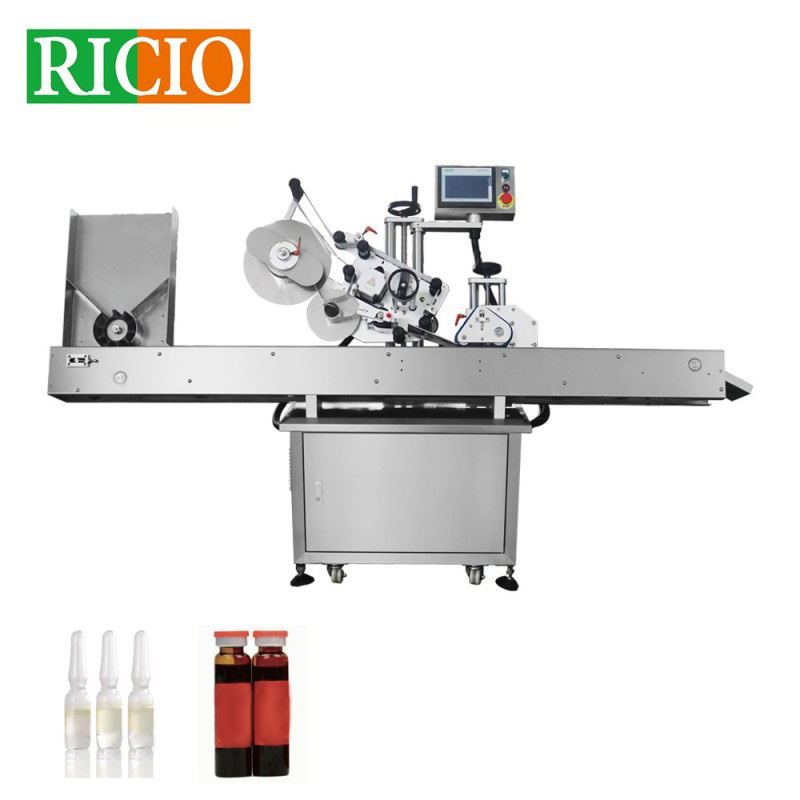
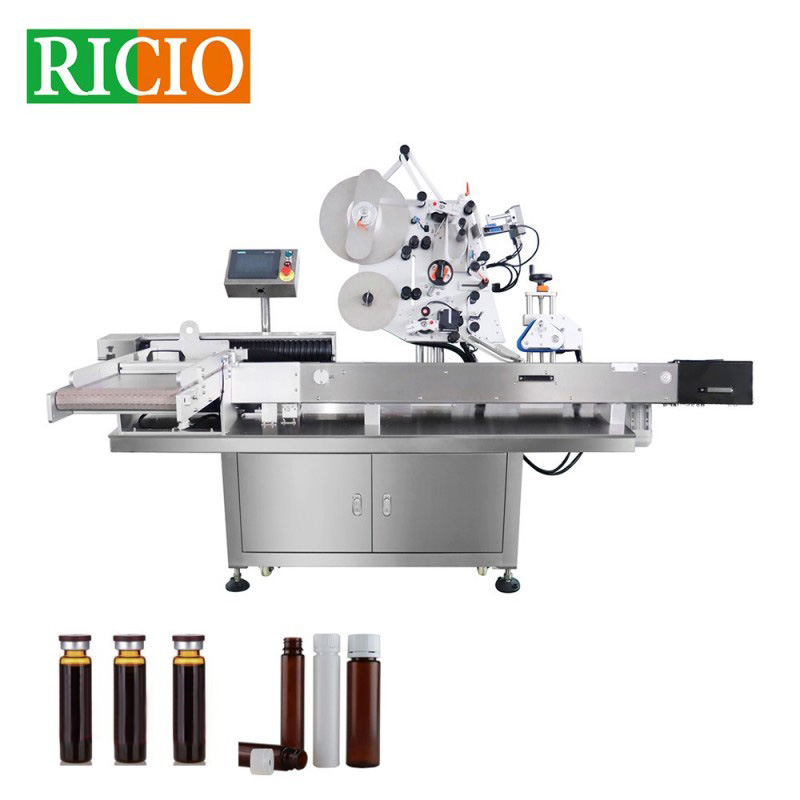
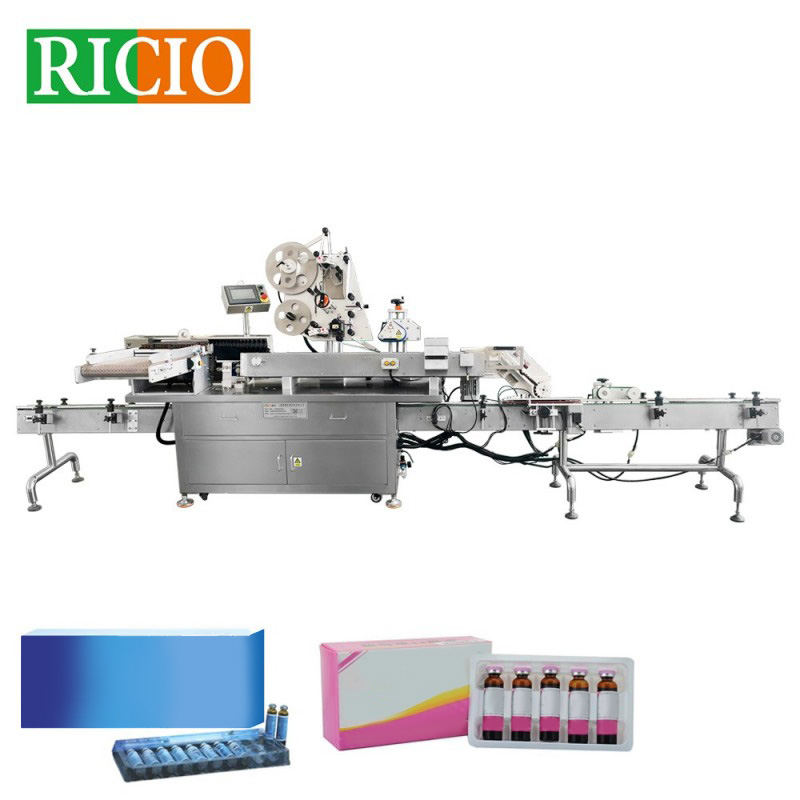
Automatic tube labeling machine can automatically stick the label to the designated position of the bottle; at the same time to complete the printing of the batch number, date of production, output counting. In the absence of bottles, the control system to ensure that the label is not sent to effectively prevent the waste of labels, and according to the production characteristics of each factory labeling speed for stepless speed regulation, so as to ensure that the machine can be used individually or in line with other machines to use the labeling components to make the surface of the bottle is not too flat to get a satisfactory labeling effect.This type labeling machine can adapt to a variety of products/containers specifications, colors, materials, round bottles, so it is widely used in the industries such as: medicine, pharmaceutical, food & beverage, light industry, daily chemicals and other industries.
RICIO
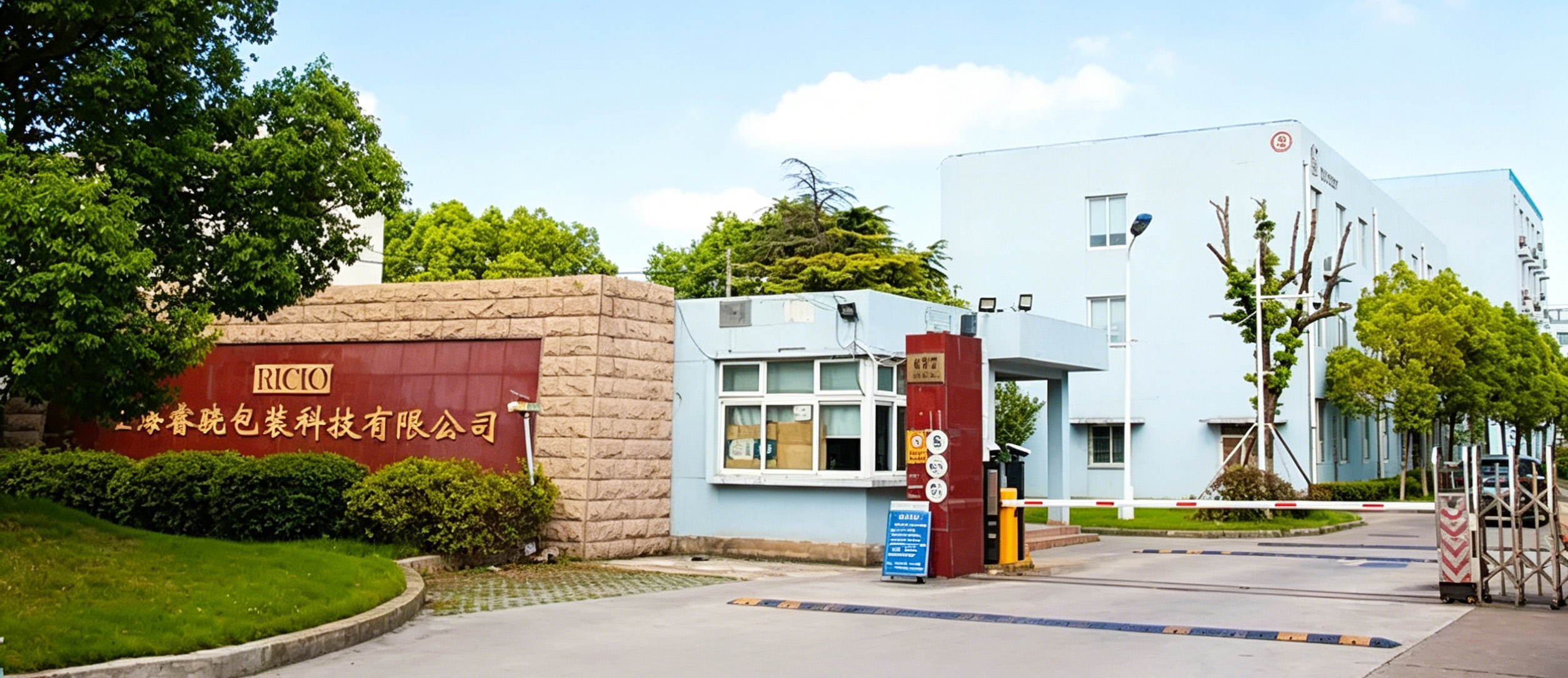
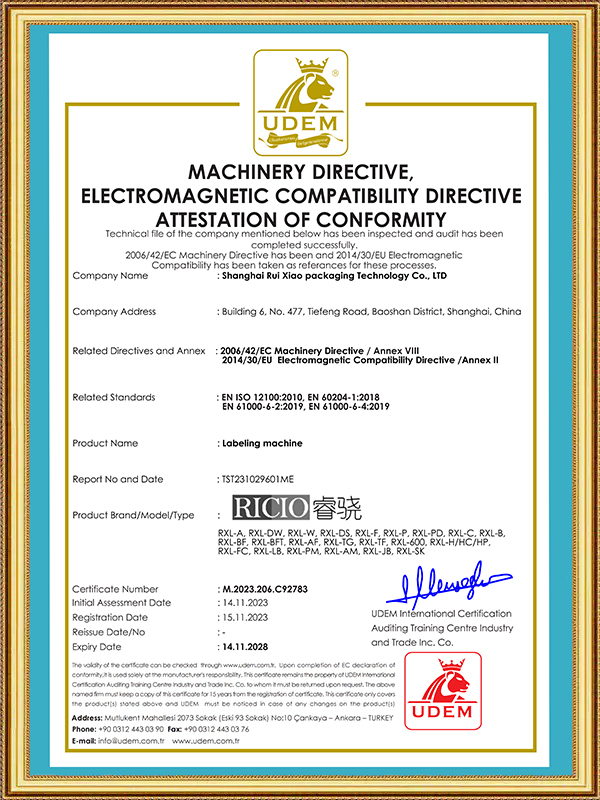
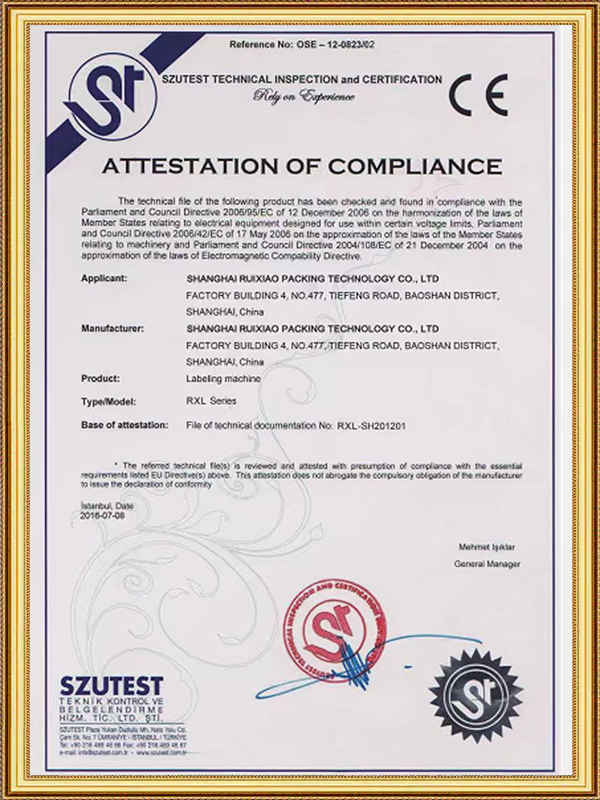
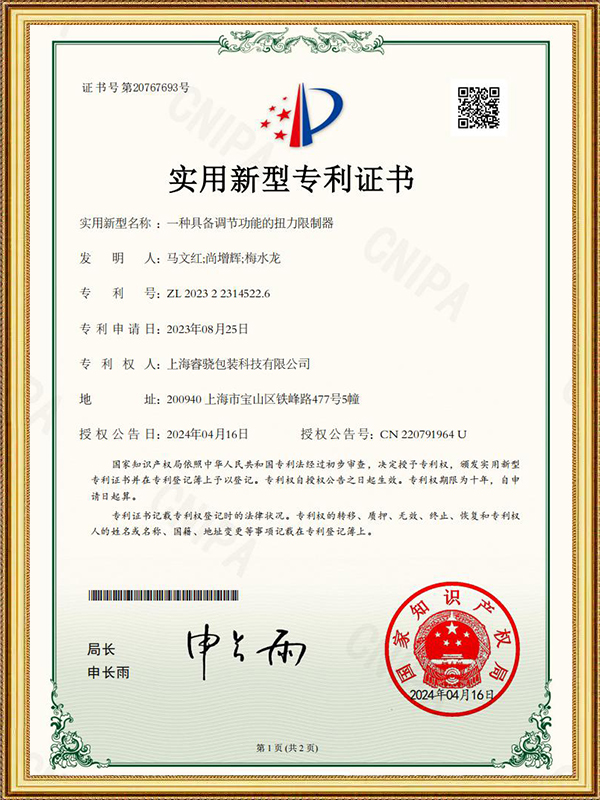
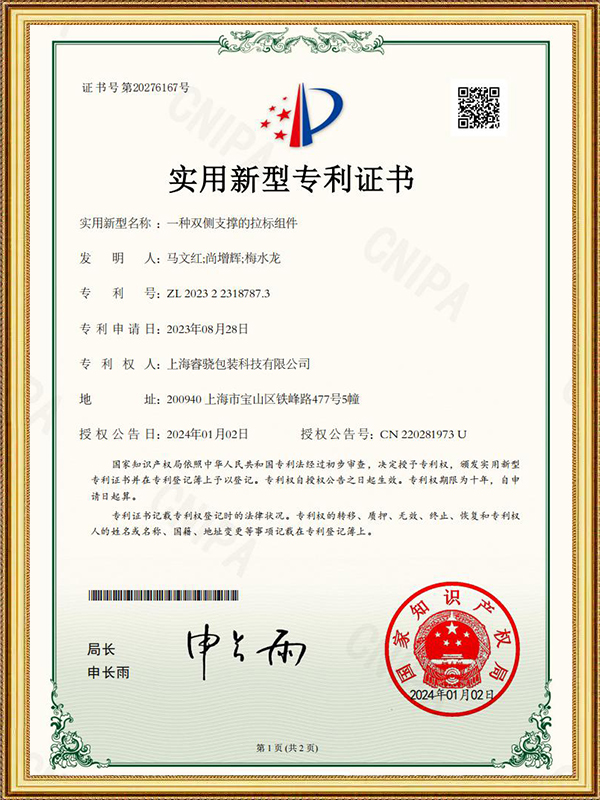
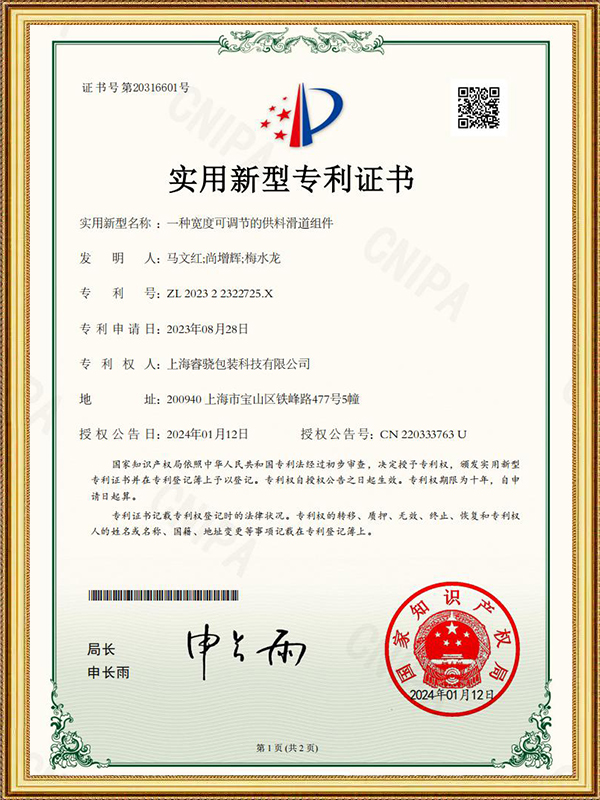
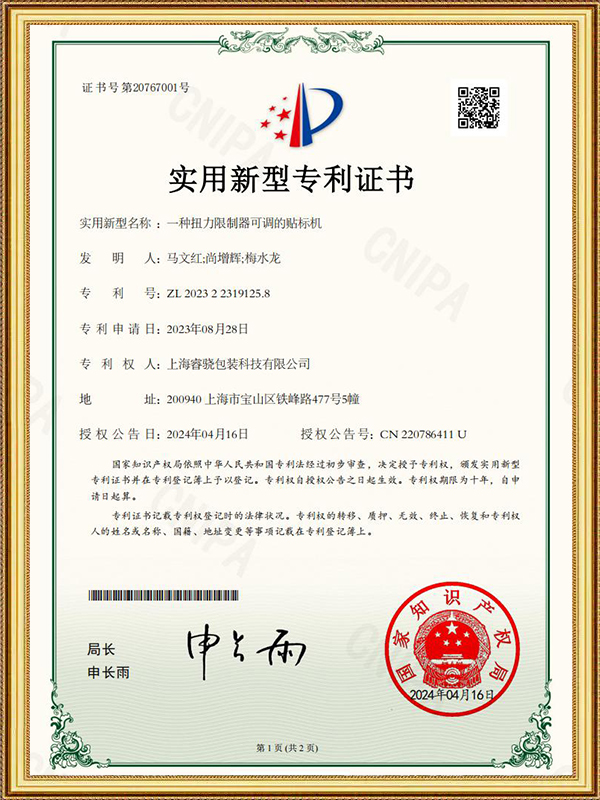
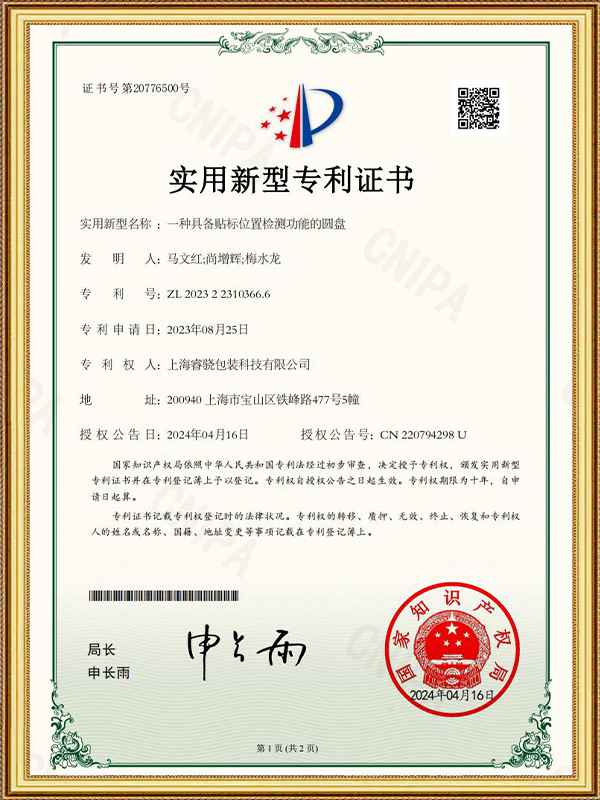
Shanghai Ruixiao Packaging Technology Co., Ltd.
As China OEM Auto Labeling Machine Manufacturer and ODM Automatic Tube Labeling Machine Supplier, RICIO engages in the R&D and manufacturing of labeling machinery and is headquartered in Shanghai, China. RICIO's manufacturing foundation stems from the strategic acquisition of Shanghai Zhenbao Machinery Parts Factory, a well-established local machining enterprise. This integration has transformed us from a simple equipment assembler into a source manufacturer with in-house precision machining capabilities.
We are equipped with multiple CNC machining centers and an experienced technical team. From core component machining to complete machine assembly and commissioning, the entire process strictly adheres to the ISO 9001 international quality system, ensuring that every machine we deliver is built with a foundation of stable and reliable operation.
The direct conclusion: In-line print and apply labeling delivers the highest labeling accuracy and speed for variable-data packaging lines. When a packaging line must apply unique barcodes, lot numbers, expiration dates, or shipping labels without stopping, an in-line print-and-apply system is the ...
Why Coding on Bottle Labels Demands Precision Machinery
Coding directly onto bottle labels – not the bottle itself – has become the preferred method for beverage, pharmaceutical, and cosmetic manufacturers who need high-contrast, scannable date codes, lot numbers, and barcodes. Unlike direct‑to‑con...
What Is an Automatic Box Labeling Machine – And Why You Need One
An automatic box labeling machine is a piece of packaging equipment designed to apply pressure‑sensitive labels onto corrugated cartons, cardboard boxes, and similar containers without manual intervention. It eliminates the inconsiste...
Every cosmetic tube, ointment tube, or squeeze-pack container that reaches a shelf with a straight, bubble-free label owes that result to a fairly specific branch of packaging engineering. An Automatic Tube Labeling Machine sits at the exact point in a production line where a printed label has to wrap, align, and adhere to a curved or tapered surface without human hands touching it — a job that looks simple until the tube diameter changes, the label stock is glossy, or the line speed climbs past a few hundred pieces per minute. The wider category of automatic labeling machine equipment covers flat bottles, round jars, and irregular containers, but tube-specific applicators deal with problems the flat-bottle world rarely sees: taper, seam orientation, and a soft plastic or laminate body that deforms under pressure. Whether the target is a compact auto labeling machine for a single production line or a fully integrated automatic label applicator built into a filling-sealing-labeling sequence, the engineering questions stay the same: how tight is the placement tolerance, how fast can the indexing mechanism run without slipping, and how much time is lost every time the tube size changes.
Servo Control Is What Separates Accuracy Claims From Actual Results
Older tube labelers relied on mechanical cams or pneumatic stops to time the label release, which worked fine at moderate speed but drifted as parts wore down. Servo-driven systems replace that timing chain with a motor that reads its own position dozens of times per second, so the label edge lands in the same place on tube one and tube ten thousand. This is the layer where AI-assisted control systems earn their keep too — instead of a fixed timing table, the controller adjusts label release on the fly when it senses a slightly early or late tube arrival on the conveyor.
On our own equipment at Shanghai RICIO Packaging Technology Co., Ltd., this combination of a well-known brand servo motor, AI-based automation, and a dedicated control system is what gets labeling precision down to ±0.5mm, with a theoretical maximum labeling speed of up to 700 pieces per minute. That top-end number moves depending on machine configuration, label size, and whatever equipment sits before and after the labeler on the line, so we always recommend checking the instruction manual or talking to our customer service team for parameters specific to a given setup.
Matching the Applicator to the Tube Material
A tube labeling machine that handles a rigid aluminum tube well won't necessarily behave the same way on a soft laminate one, because the body reacts differently under the pressing roller. Aluminum tubes hold their shape and take a wrap-around label cleanly, laminate and plastic (PE/PBL) tubes can bulge slightly if the pressing force isn't tuned down, and glossy or transparent films sometimes confuse a standard photoelectric sensor that's expecting a matte surface to bounce light back consistently.
Tube Type
Common Label Approach
Main Handling Challenge
Aluminum tube
Wrap-around, seam-aligned
Consistent seam orientation feed
Laminate / PBL tube
Wrap-around with reduced press force
Body deformation under roller pressure
Glossy / transparent tube
Front-and-back partial wrap
Sensor detection of tube edge
General industry patterns for matching tube material to label application method.
Where Skew, Wrinkles, and Bubbles Actually Come From
Most complaints about an automatic labeling machine come down to a handful of repeat offenders: the tube isn't held square when the label touches down, static electricity pulls the film off-line before it seats, tension across the roll isn't steady, or a sensor is picking up the wrong edge on a busy line. A servo-driven, sensor-fed system reduces these because it corrects timing per tube rather than running on a fixed cycle, but no machine removes the need for good label stock and a properly set-up feed path.
Fitting the Labeler Into an Existing Packaging Line
An automatic label applicator rarely stands alone — it usually sits between a filling/sealing station upstream and a cartoning or case-packing station downstream, and it has to run at whatever speed the slowest neighbor sets. That's why changeover time matters as much as top-end speed: a plant switching between three tube diameters in a shift loses more real capacity to changeover fumbling than it would from a modest drop in rated speed.
Manual/Semi-Automatic vs. Servo-Driven Automatic — a Relative Comparison
Illustrative relative comparison based on general operating characteristics, not a formal benchmark study.
Support Doesn't Stop at Delivery
A precise auto labeling machine is only as useful as the support behind it once it's running on a real production floor. We reply within 24 hours and can walk a customer's team through setup with remote online video guidance in detail, and when a situation needs a hands-on look, we send experienced after-sales engineers to visit the customer's factory, workshop, or production line directly for installation, commissioning, and training.
That support is meant to continue for the life of the machine, not just the warranty window — including free replacement of vulnerable spare parts and certain consumables under warranty. Customer acceptance and satisfaction is the priority we build the after-sales process around.
Frequently Asked Questions
Is an automatic label applicator different from an automatic labeling machine?
Not really — "applicator" usually refers to the mechanism that actually presses and wraps the label, while "labeling machine" describes the whole unit including feeding, sensing, and control. In everyday use the two terms are interchangeable.
Can one machine handle several tube diameters without a full retool?
Servo-driven machines are generally built with adjustable fixtures and recallable settings for different tube sizes, which cuts changeover time compared with fixed mechanical stops, though the exact adjustment range depends on the specific machine's tooling.
Why does labeling speed drop with larger labels?
A larger label needs more wrap time and a longer dwell under the pressing roller to seat properly, so the theoretical top speed quoted for a machine is always tied to a given label size and will flex up or down from there.
What happens if a part wears out after installation?
Under warranty, vulnerable spare parts and some consumables are replaced free of charge, and remote video guidance or an on-site engineer visit is available if the issue needs hands-on diagnosis.
Response to support requests: within 24 hours
Remote guidance: online video walkthroughs on request
On-site visits: available for installation, commissioning, and training
Long-term support: free replacement of vulnerable parts and select consumables under warranty

 English
 русский
 Español
 عربى


 +86 13681850339
 sales@raxpack.com
 Building 6, No. 477 Tiefeng Road, Baoshan District, Shanghai, China
