 English
 русский
 Español
 عربى
عربى

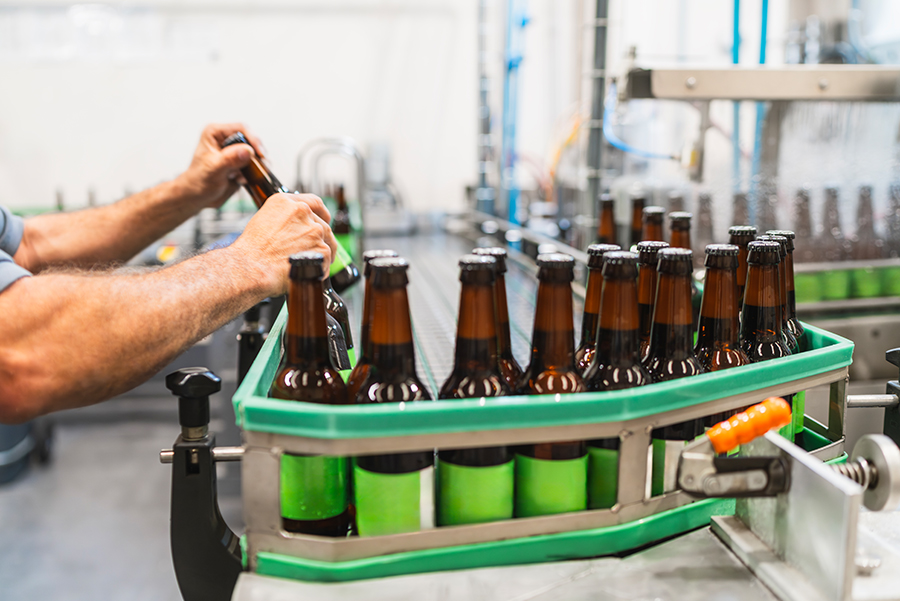

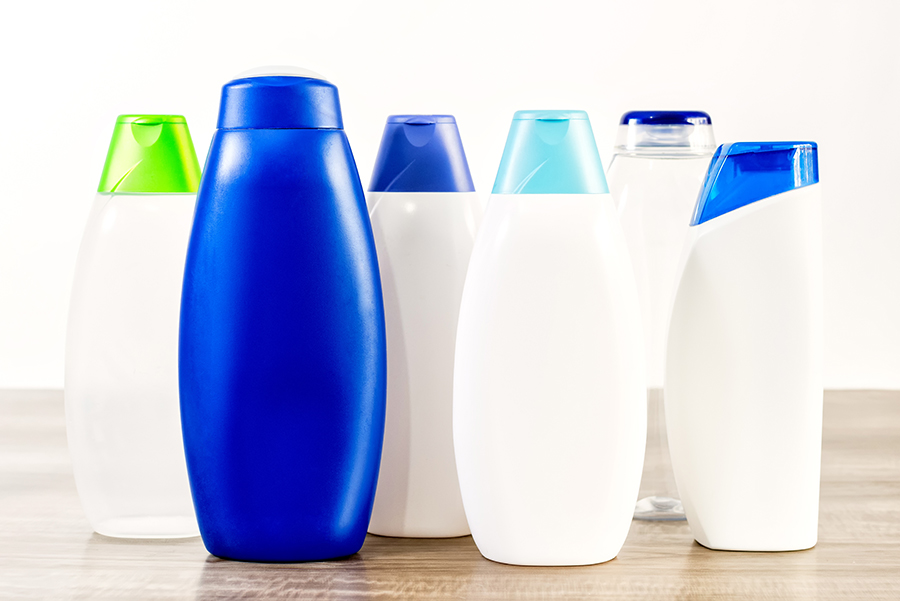




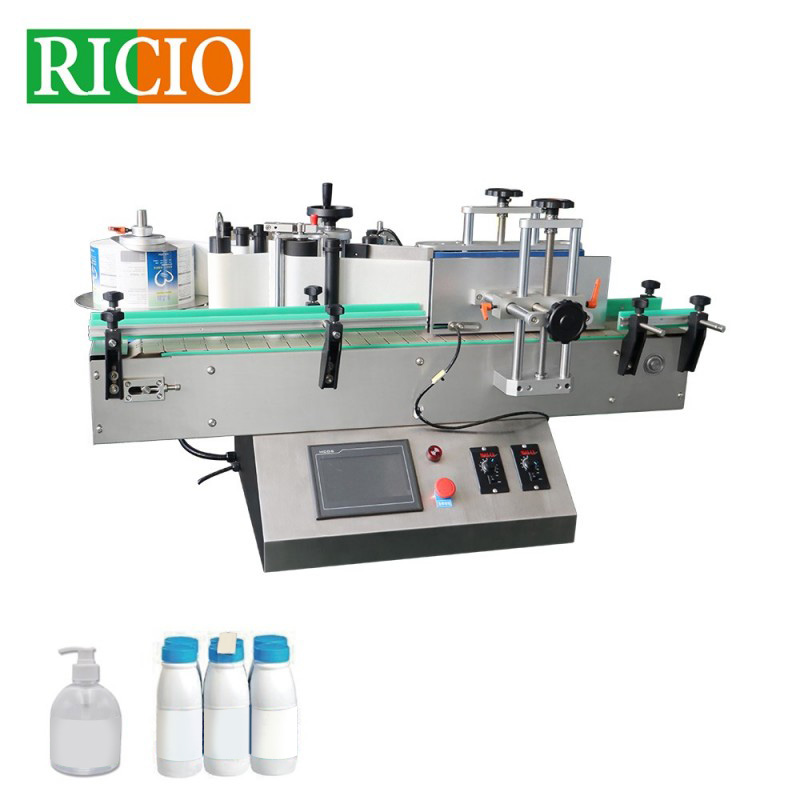
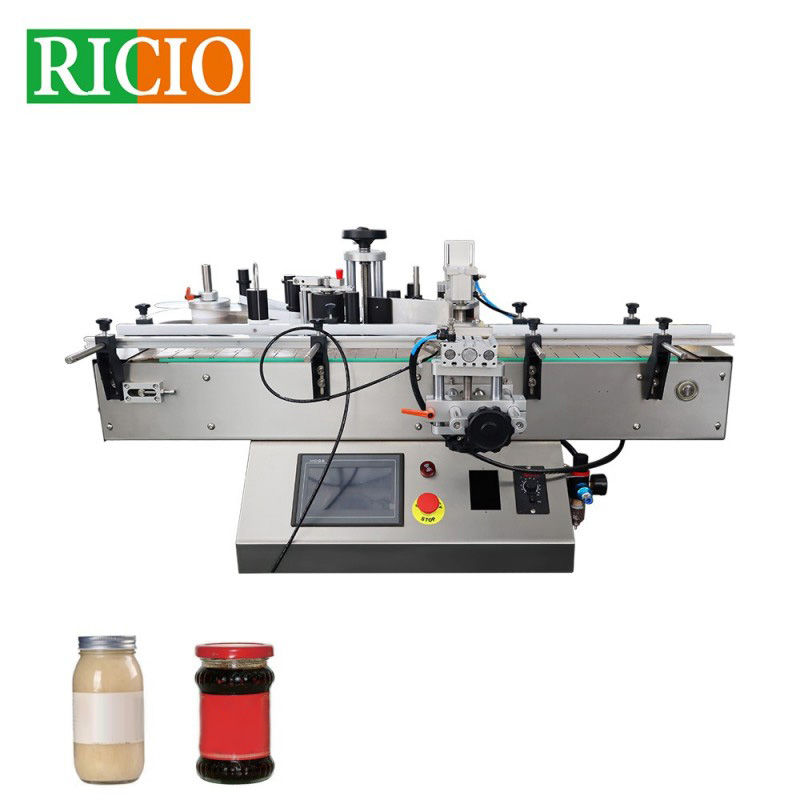
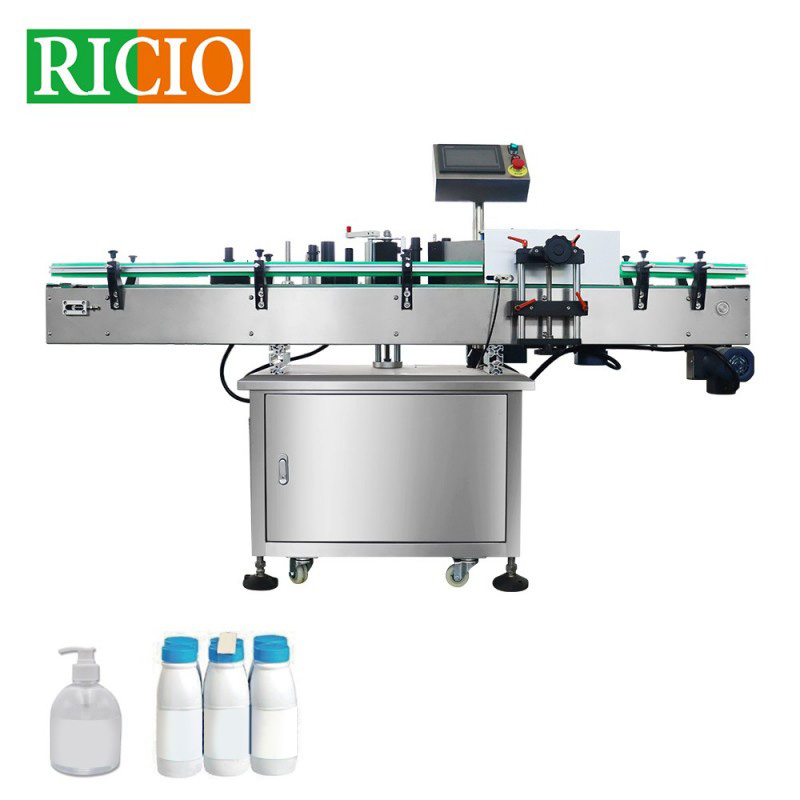
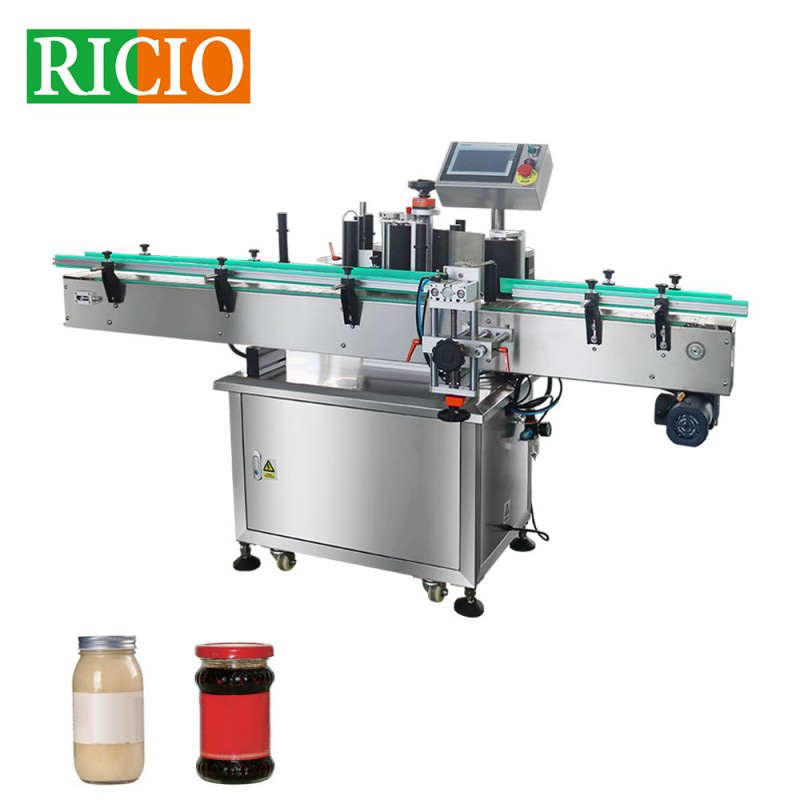
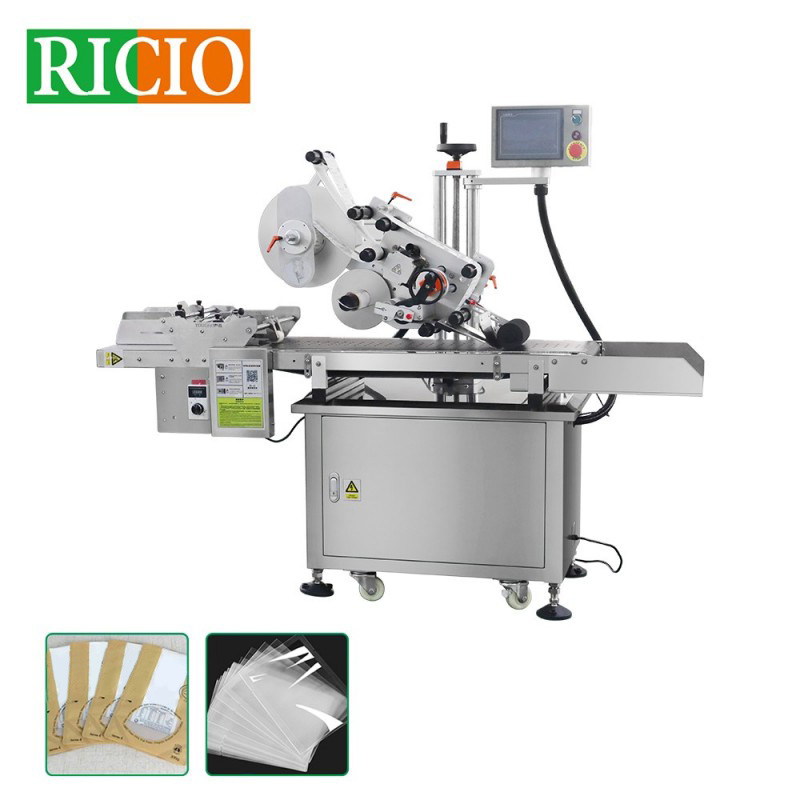
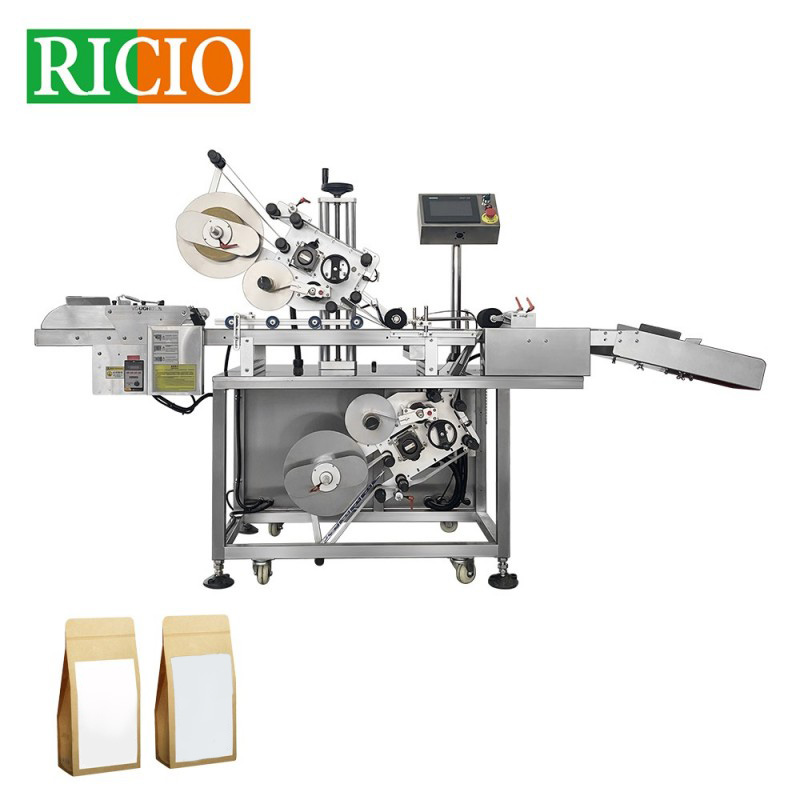
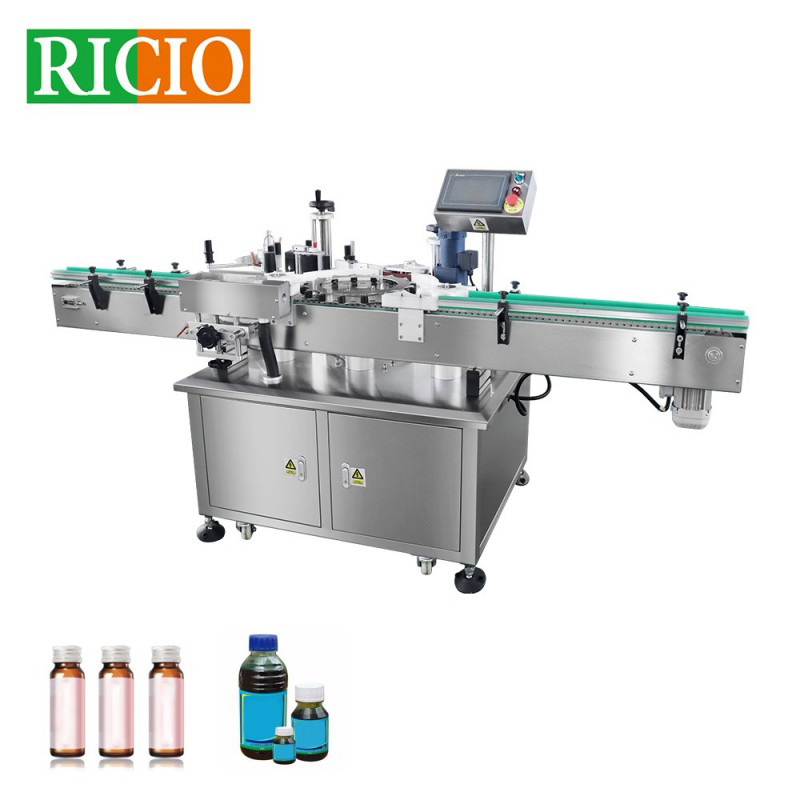
Fully automatic labeling machines are core auxiliary equipment for compliant production and safety control in the pesticide industry, catering to labeling requirements of all types of pesticide packaging. Its labeling difficulties mainly fall into three key dimensions: compliance control, container compatibility and environmental adaptability.
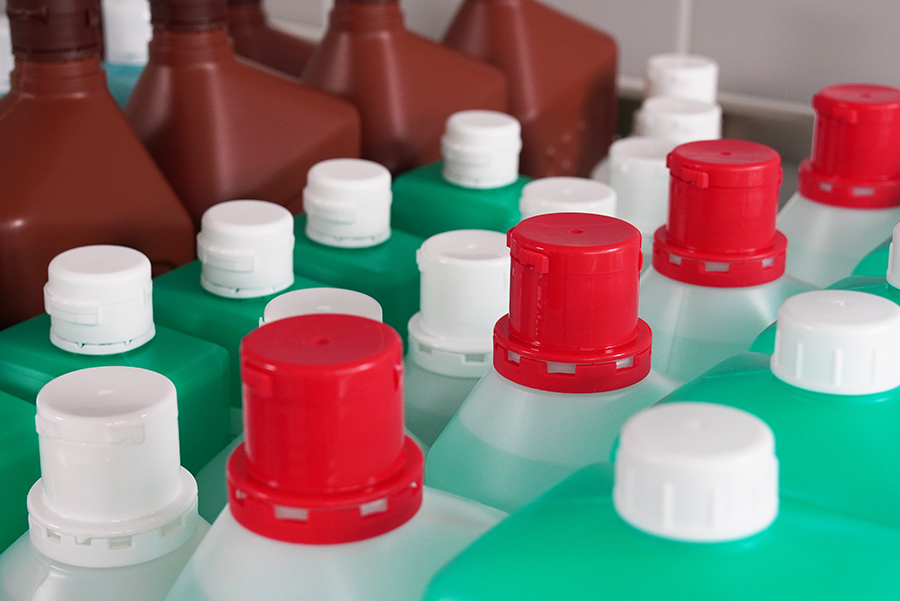
Pesticides adopt diversified packaging, including glass bottles, plastic bottles, chemical barrels and aluminum foil bags with distinct material characteristics. Static electricity tends to accumulate on plastic bottles, pesticide residues easily adhere to glass bottles, and chemical barrels feature rough surfaces. All these factors result in poor label adhesion, label warping and peeling off.
Pesticide labeling is subject to strict supervision. Mandatory information such as pesticide registration certificate numbers, toxicity symbols and application scopes must be printed clearly. Any labeling misalignment may trigger potential safety hazards and regulatory penalties.
In addition, pesticide manufacturing mostly features small-batch and multi-specification production. Cumbersome packaging changeovers frequently cause inaccurate positioning and skewed labels. The production site is filled with corrosive gas, which wears down equipment and weakens label adhesiveness. Some pesticide containers only have narrow labeling areas, making labels prone to stretching and sticking together. Collectively, these issues restrict labeling efficiency and standardized compliance.


Pesticide
Application Use in

Related Videos
-
Henan Pesticide Factory - Chaoren Zhibao - Universal Labeling Machine for Multi-specification Round Bottles
-
Henan Pesticide Factory - Chaoren Zhibao - Universal Labeling Machine for Multi-specification Round Bottles
 +86 13681850339
 sales@raxpack.com
 Building 6, No. 477 Tiefeng Road, Baoshan District, Shanghai, China
Overview
Labeling Machine
- Tabletop Labeling Machine
- Round Bottle Labeling Machine
- Automatic Tube Labeling Machine
- Pouch Labeling Machine
- Rotary Labeling Machine
- Syringe Labeling Machine
- Top Labeling Machine
- Single Side Sticker Labeling Machine
- Double Side Labeling Machine
- Bucket Labeling Machine
- Bottom Labeling Machine
- Corner Label Applicator
- Waist Sealing Labeling Machine
- Square Bottle Labeling Machine
Support
Custom label machines for sale
China best labeling machine
Copyright © Shanghai RICIO Packaging Technology Co., Ltd. All rights reserved.
