 English
 русский
 Español
 عربى
عربى

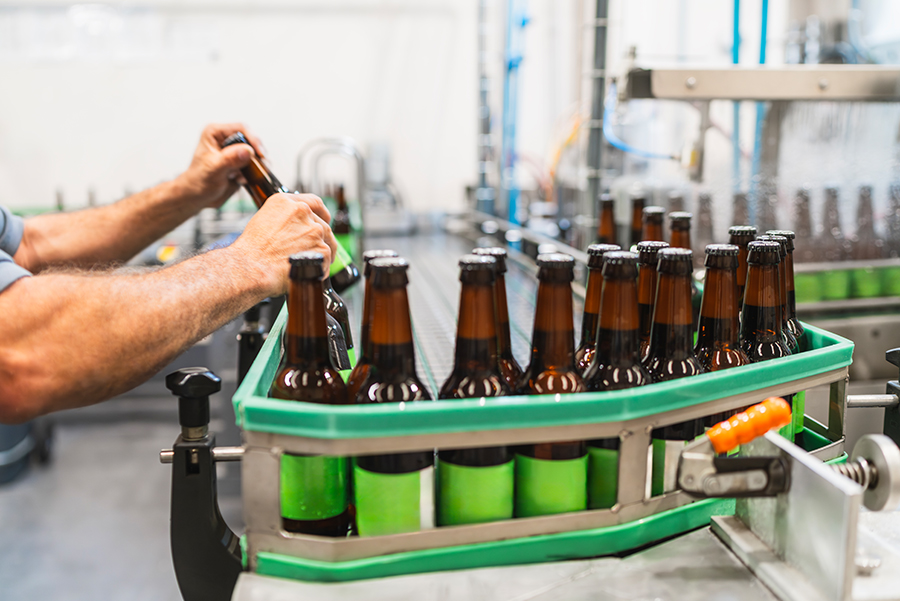
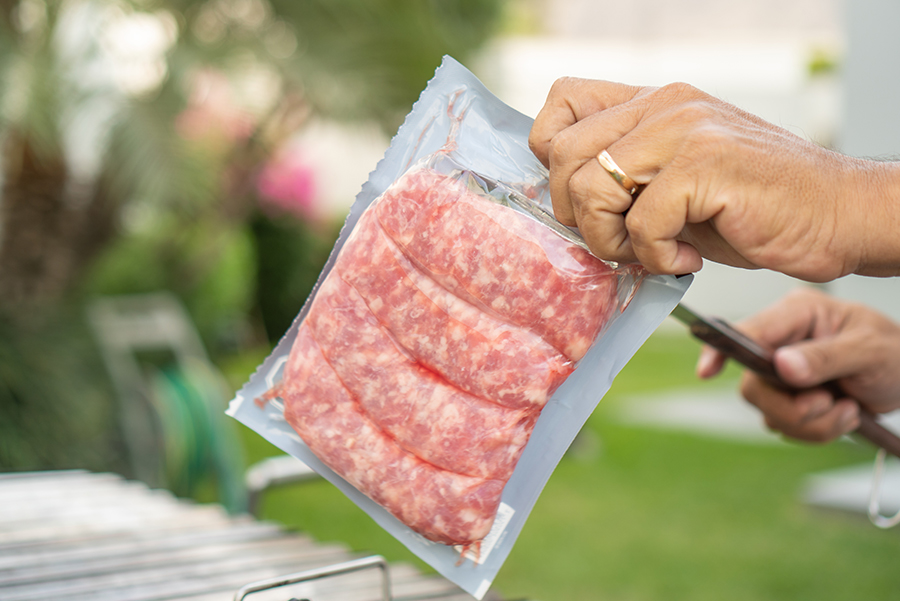
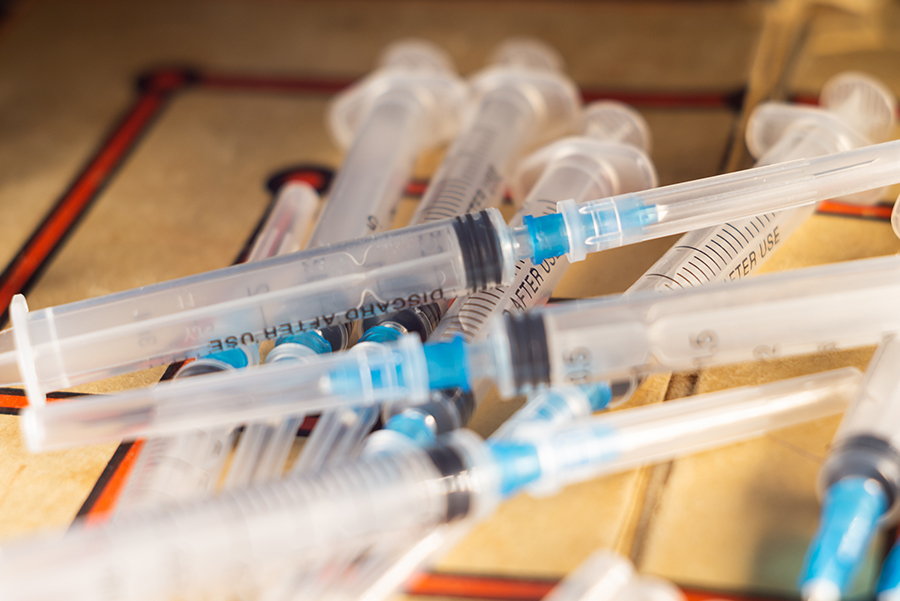

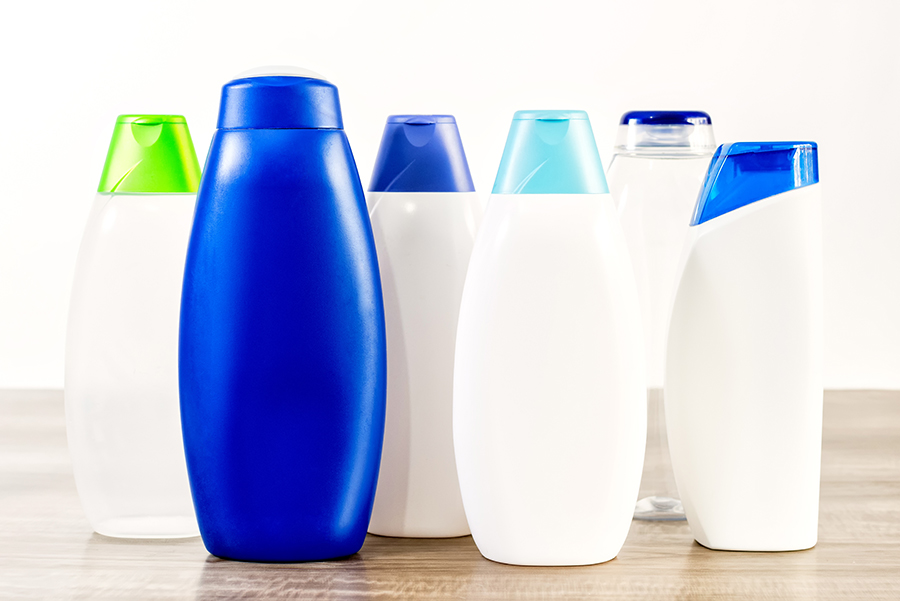

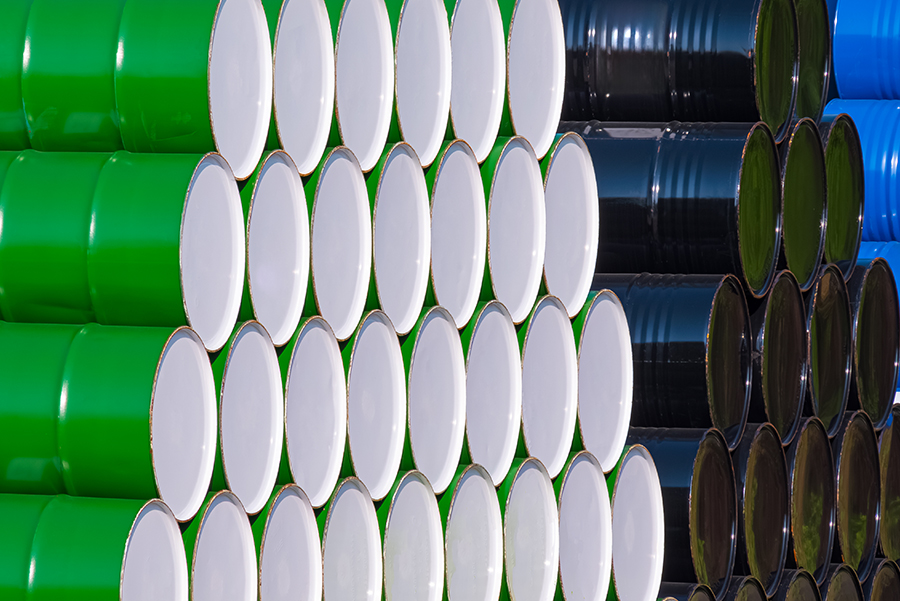
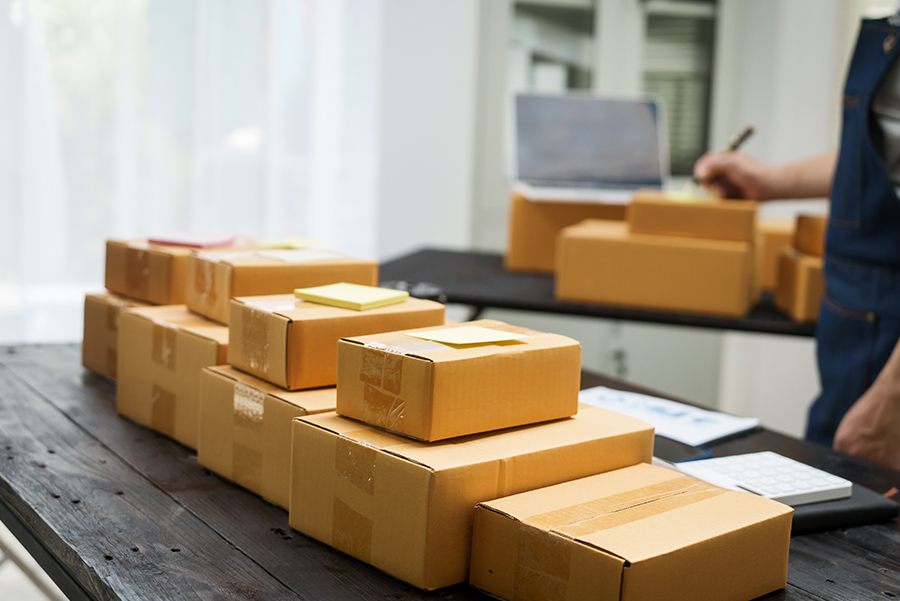
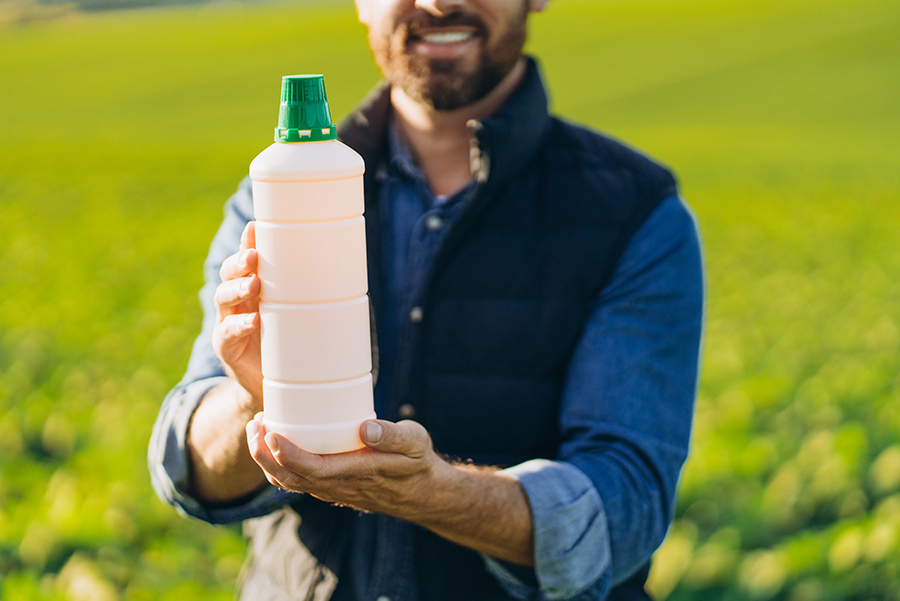
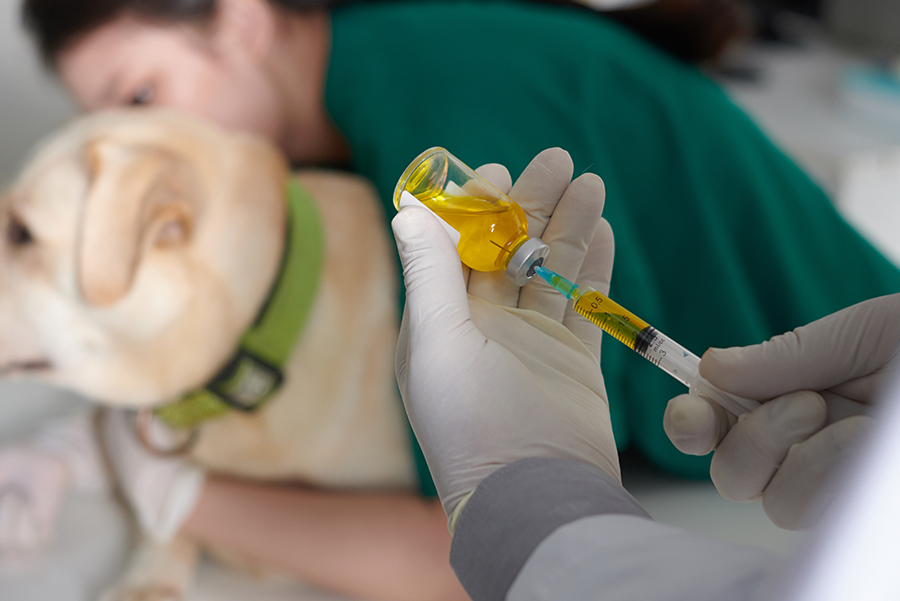
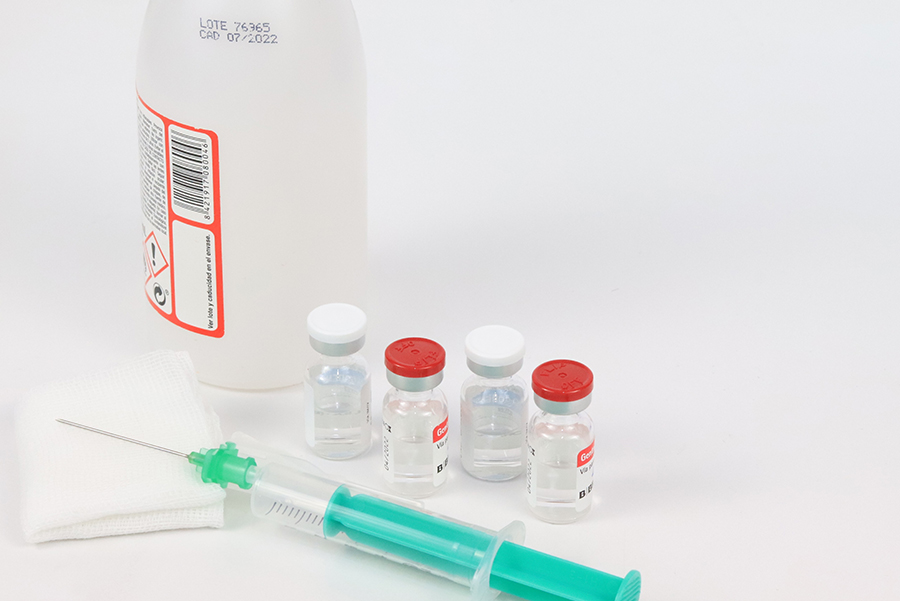
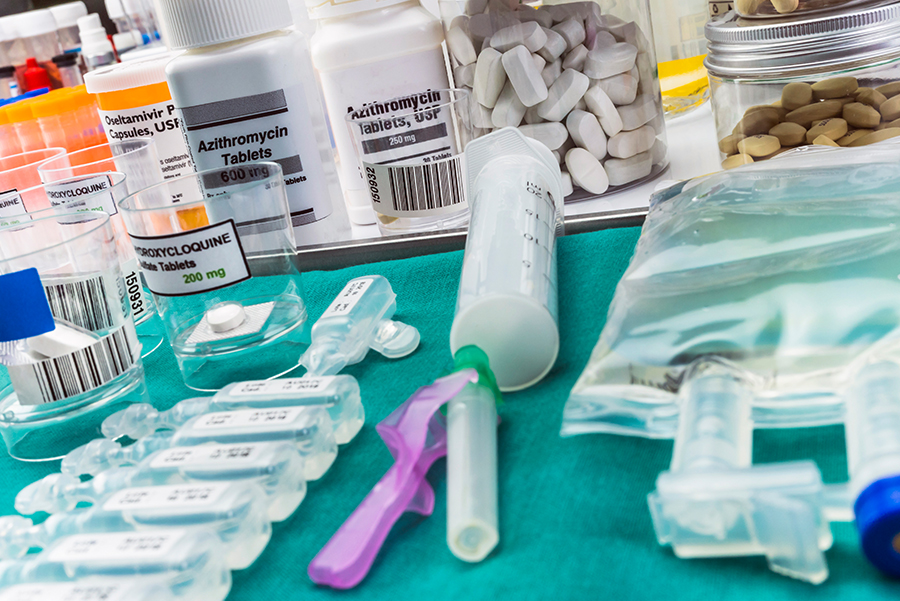
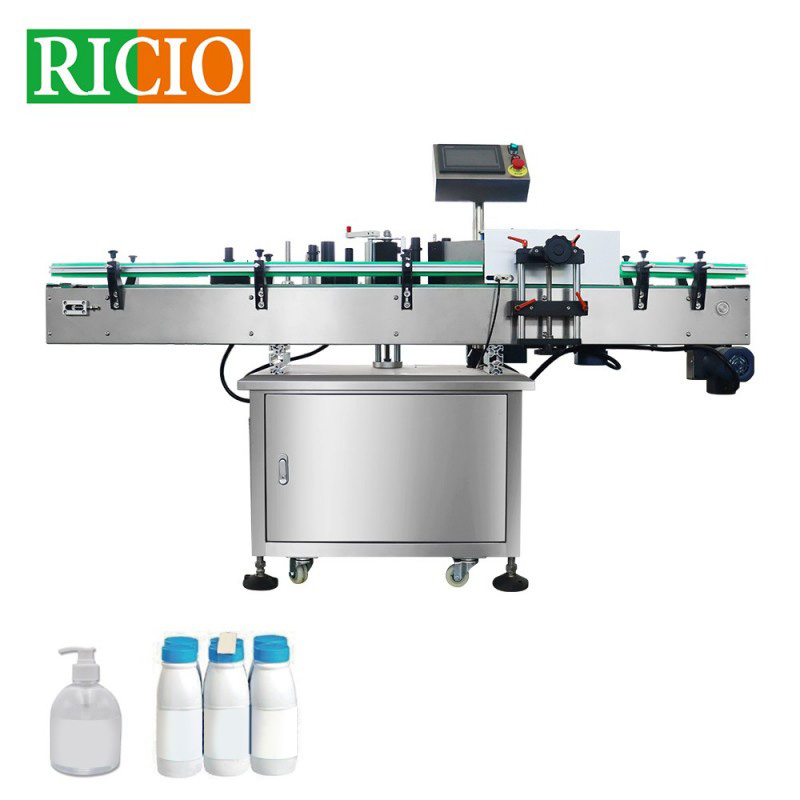
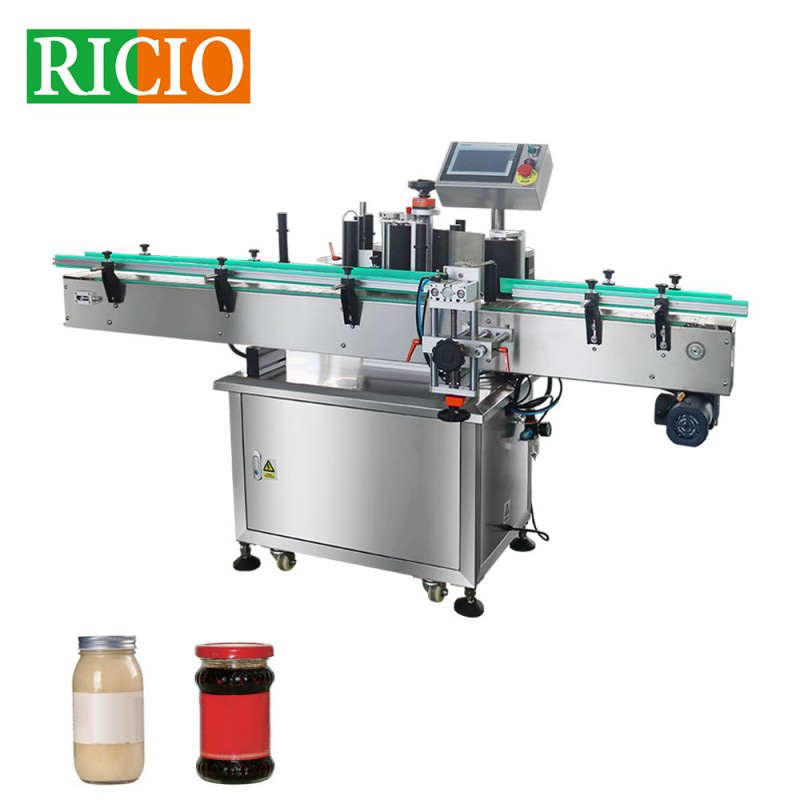
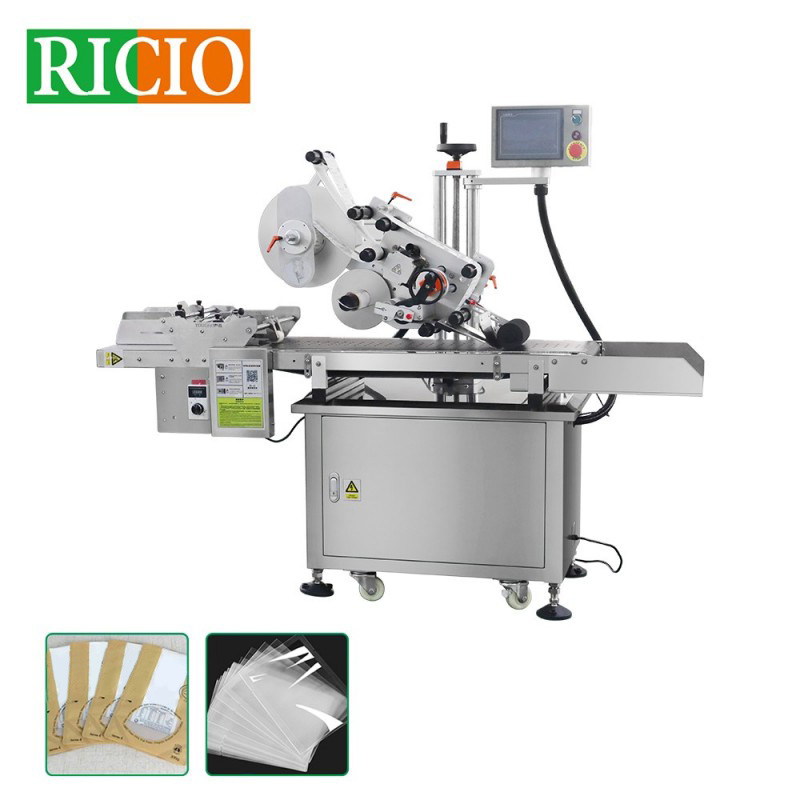
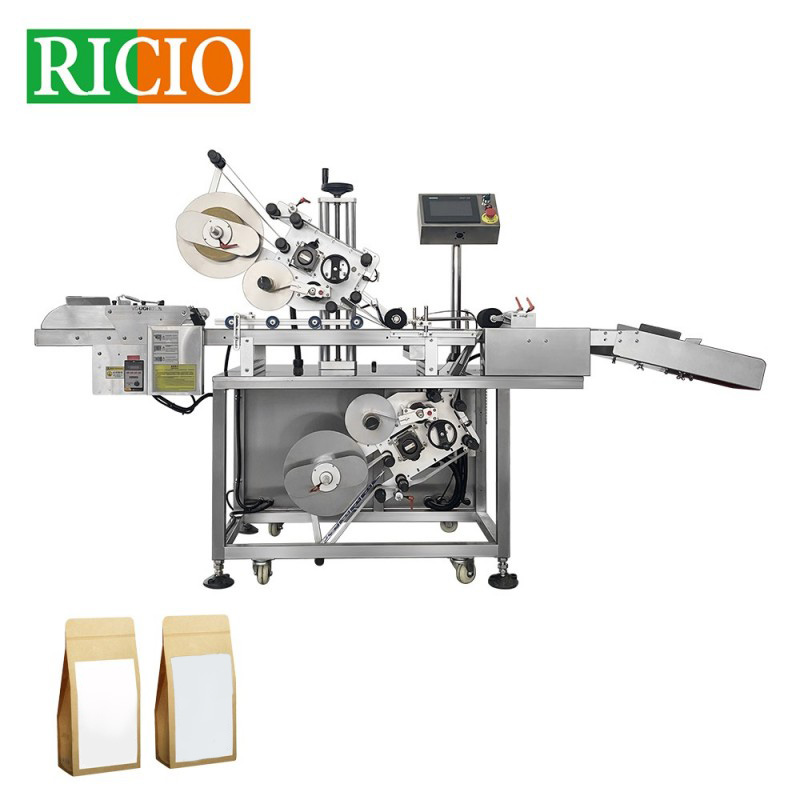
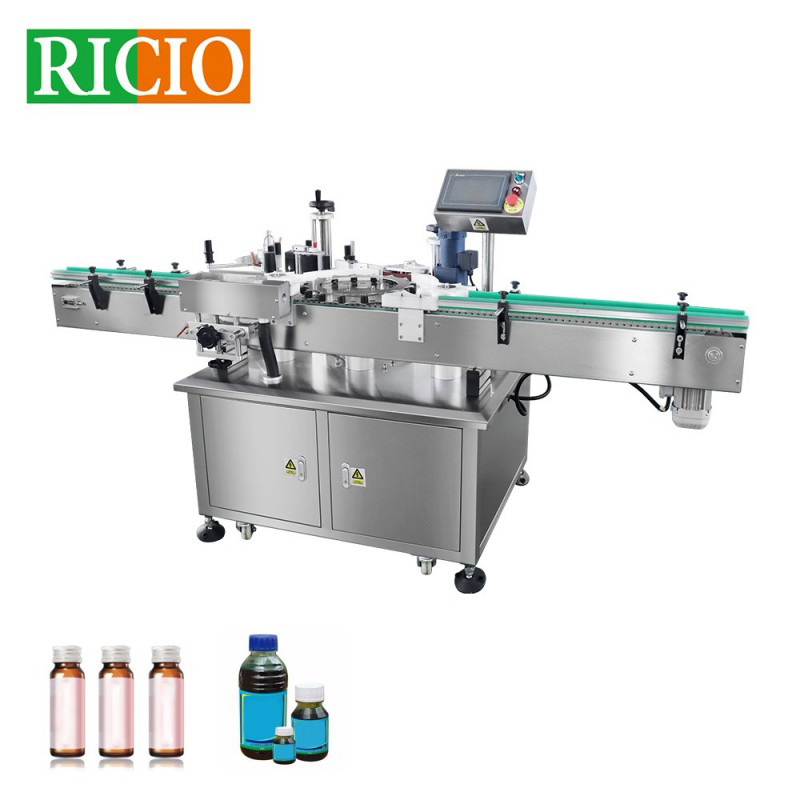
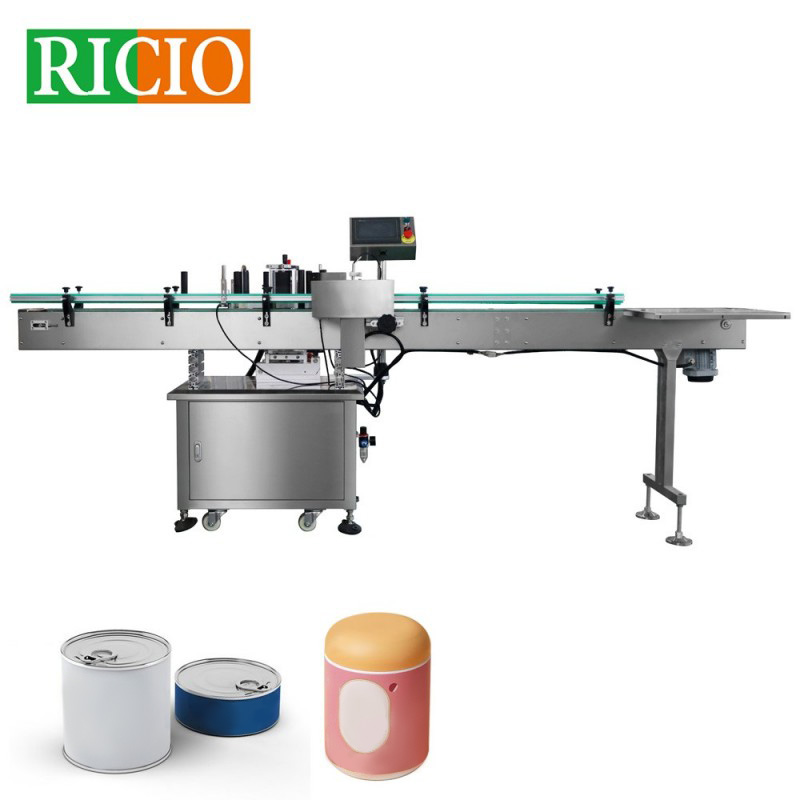
Fully automatic labeling machines serve as core equipment for compliant production and traceability management in the veterinary medicine industry, meeting labeling requirements for all types of veterinary packaging. Its major technical challenges mainly lie in compliance control, container compatibility and precision regulation.
Veterinary products adopt a wide range of packaging including glass ampoules, plastic bottles, cartons and aluminum foil bags with vastly different material properties. Glass bottles tend to condensate water vapor while static electricity easily builds up on plastic bottles, resulting in peeled and warped labels.
Stringent labeling compliance standards apply to veterinary pharmaceuticals. Mandatory markings such as veterinary logos, approval numbers and electronic traceability codes must be printed clearly; any misalignment may lead to regulatory penalties.
Furthermore, veterinary manufacturing is characterized by small-batch and multi-variety production. Cumbersome specification changeovers often cause inaccurate positioning and skewed labels. Some small-volume veterinary containers feature limited labeling areas, making labels prone to stretching and sticking together. Fluctuating temperature and humidity on production lines weaken label adhesion, creating more labeling defects and hindering labeling efficiency as well as standardized compliance.

Veterinary medicine
Application Use in
Related Videos
-
Inner Mongolia Biwei Antai Biology High-speed Vertical Labeling Machine for 50ml Bottles
-
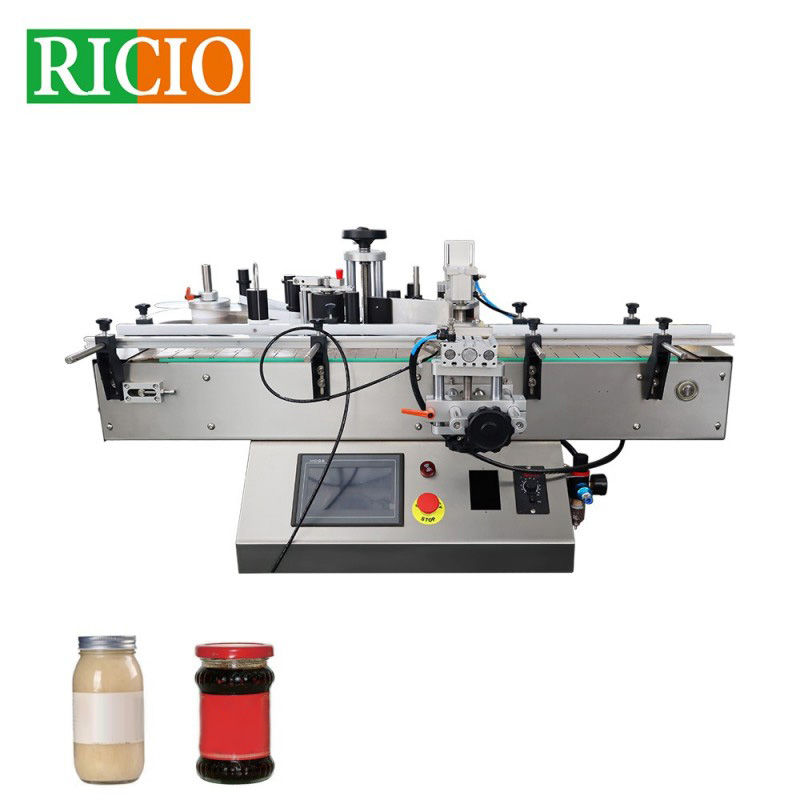
Shandong Xinde Flat Surface Labeling Machine
-
Shanghai Tongren Veterinary Medicine High-Speed Horizontal Labeling Machine for 5ml & 10ml Tray-Loaded Vials
-
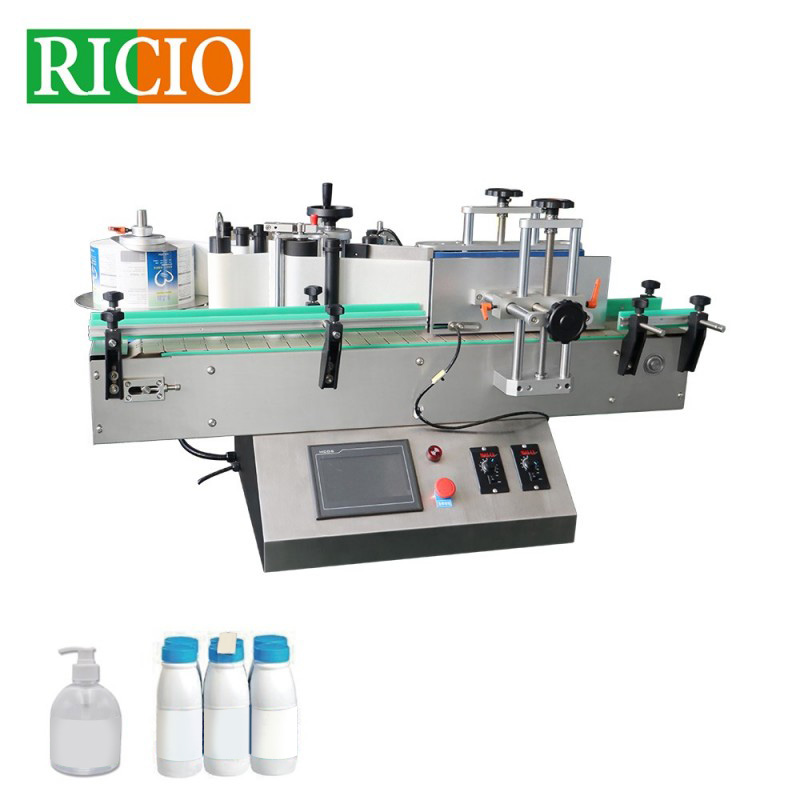
Zhenjiang Weite Animal Pharmaceutical, Positioning Labeling Machine for Plastic Round Bottles
-
Inner Mongolia Biwei Antai Biology High-speed Vertical Labeling Machine for 50ml Bottles
-
Shandong Xinde Flat Surface Labeling Machine
-
Shanghai Tongren Veterinary Medicine High-Speed Horizontal Labeling Machine for 5ml & 10ml Tray-Loaded Vials
-
Zhenjiang Weite Animal Pharmaceutical, Positioning Labeling Machine for Plastic Round Bottles
 +86 13681850339
 sales@raxpack.com
 Building 6, No. 477 Tiefeng Road, Baoshan District, Shanghai, China
Overview
Labeling Machine
- Tabletop Labeling Machine
- Round Bottle Labeling Machine
- Automatic Tube Labeling Machine
- Pouch Labeling Machine
- Rotary Labeling Machine
- Syringe Labeling Machine
- Top Labeling Machine
- Single Side Sticker Labeling Machine
- Double Side Labeling Machine
- Bucket Labeling Machine
- Bottom Labeling Machine
- Corner Label Applicator
- Waist Sealing Labeling Machine
- Square Bottle Labeling Machine
Support
Custom label machines for sale
China best labeling machine
Copyright © Shanghai RICIO Packaging Technology Co., Ltd. All rights reserved.
