
 English
 русский
 Español
 عربى
عربى

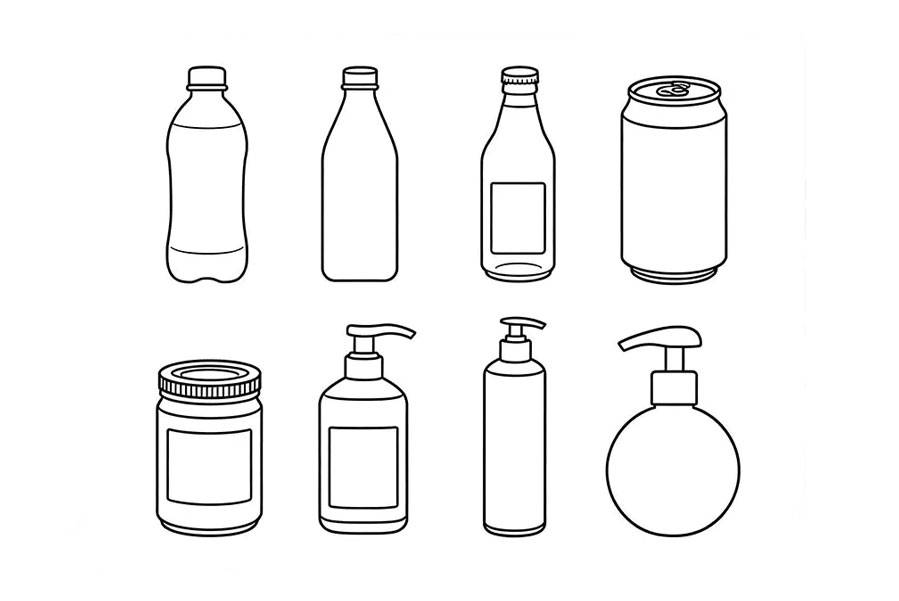
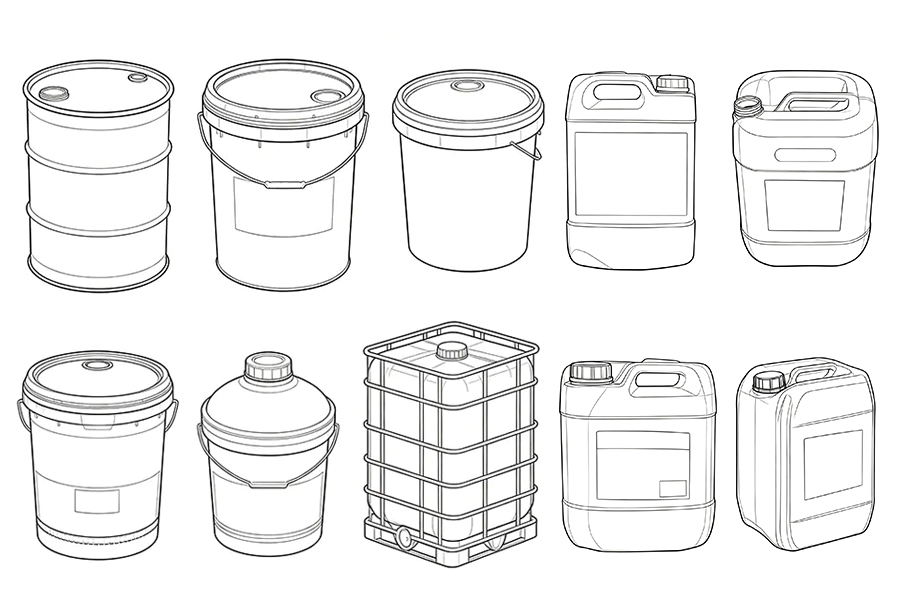

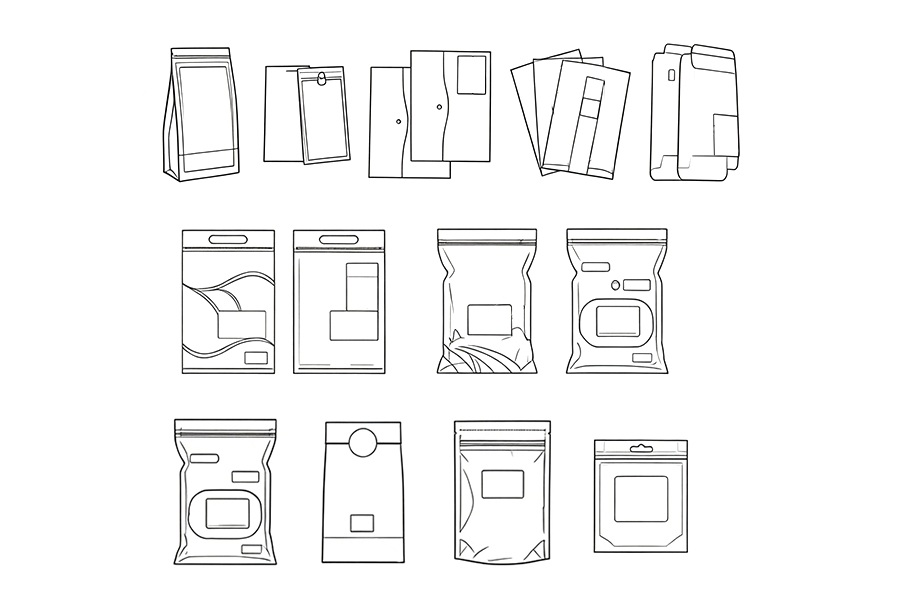
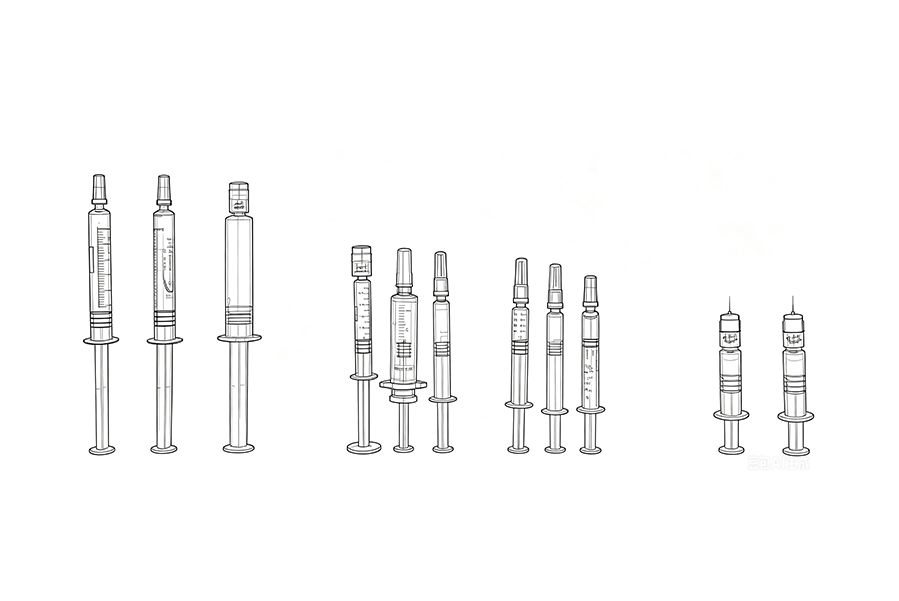
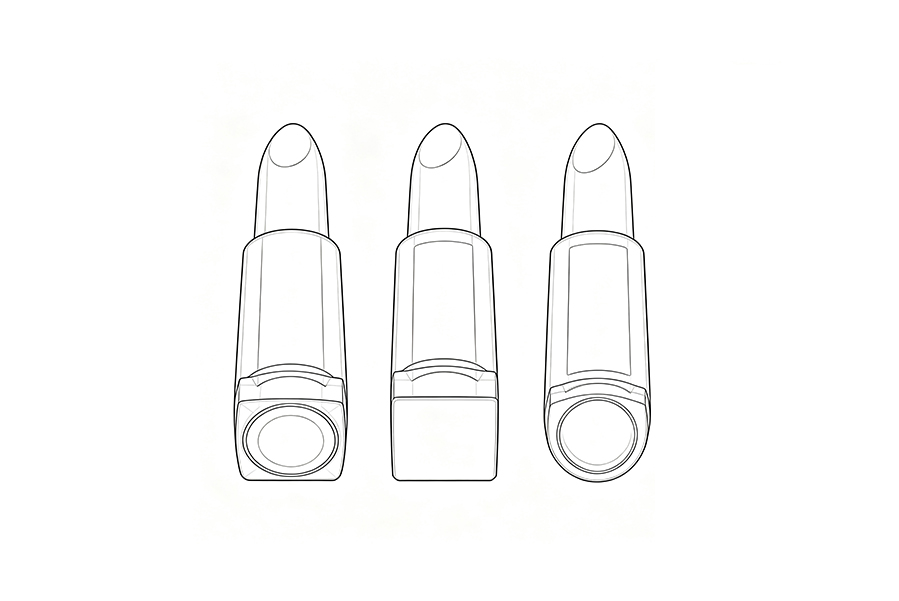
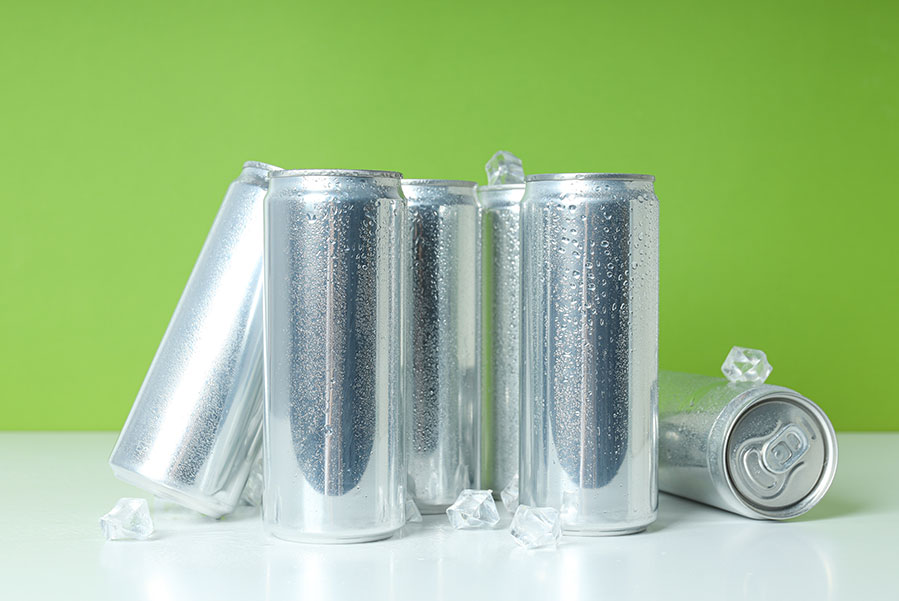
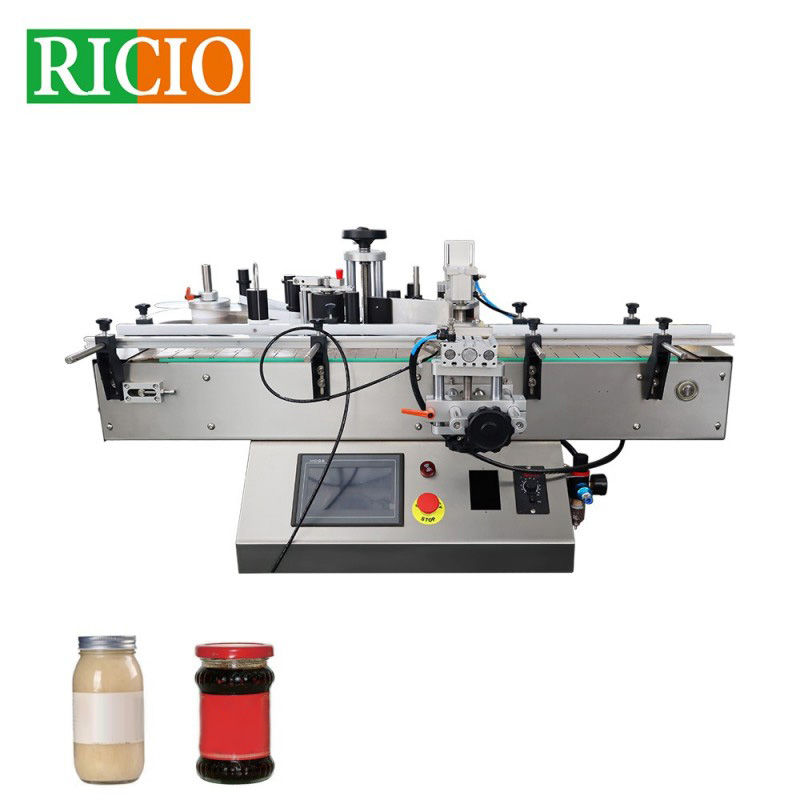
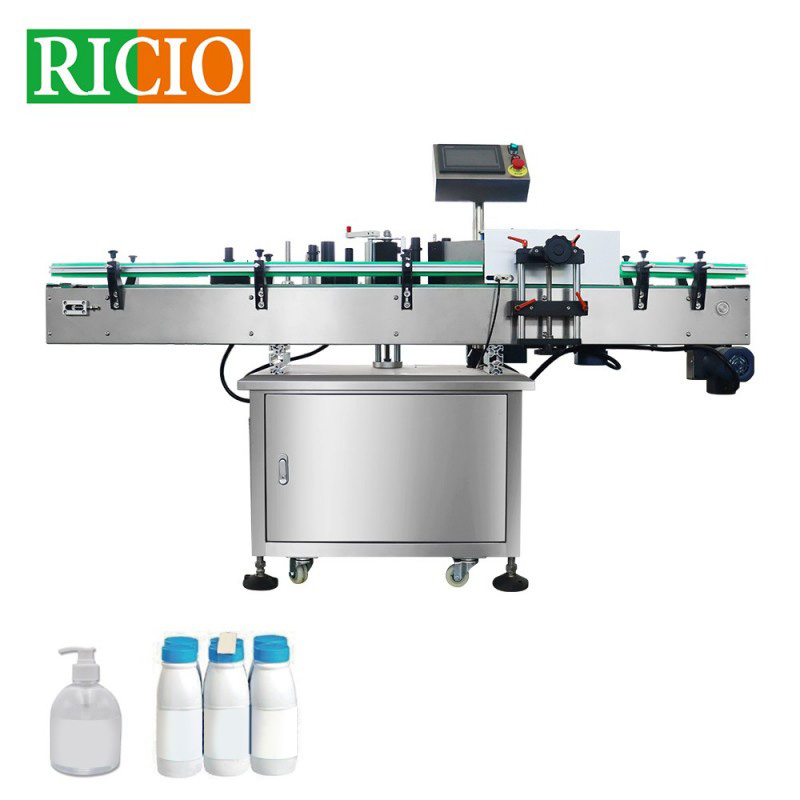
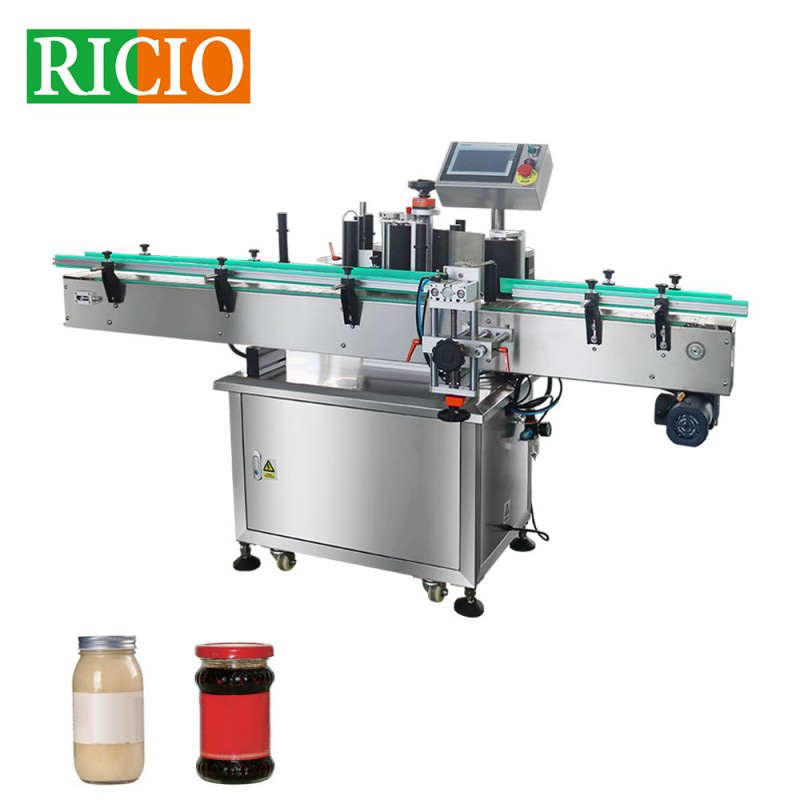
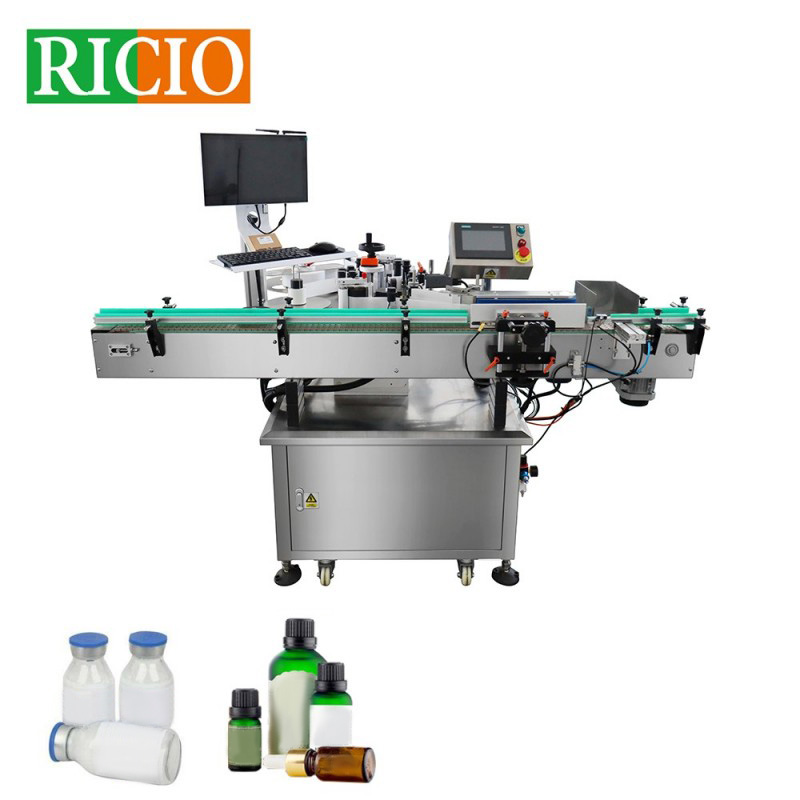
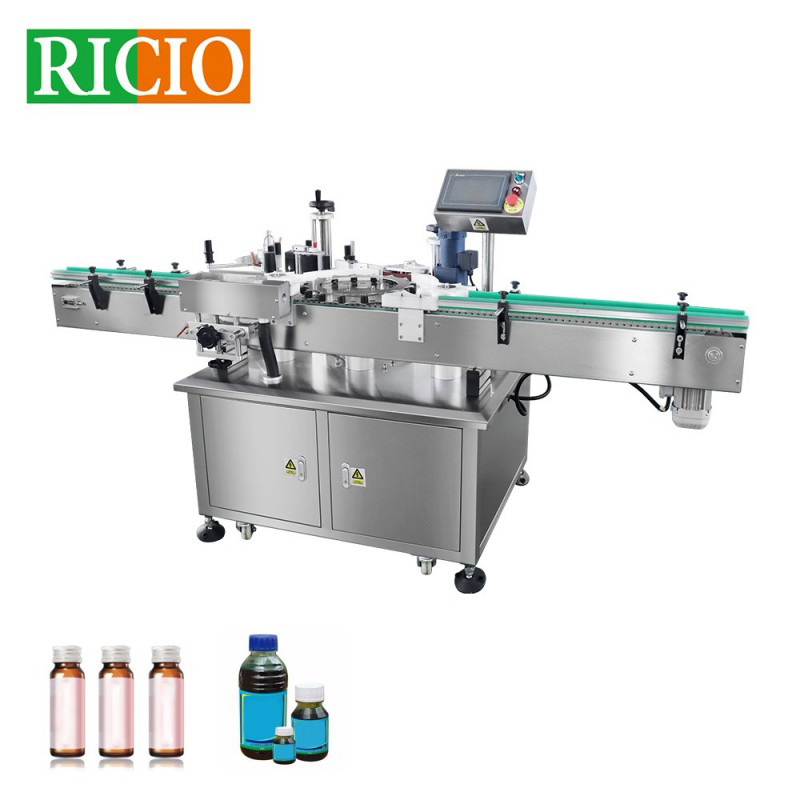
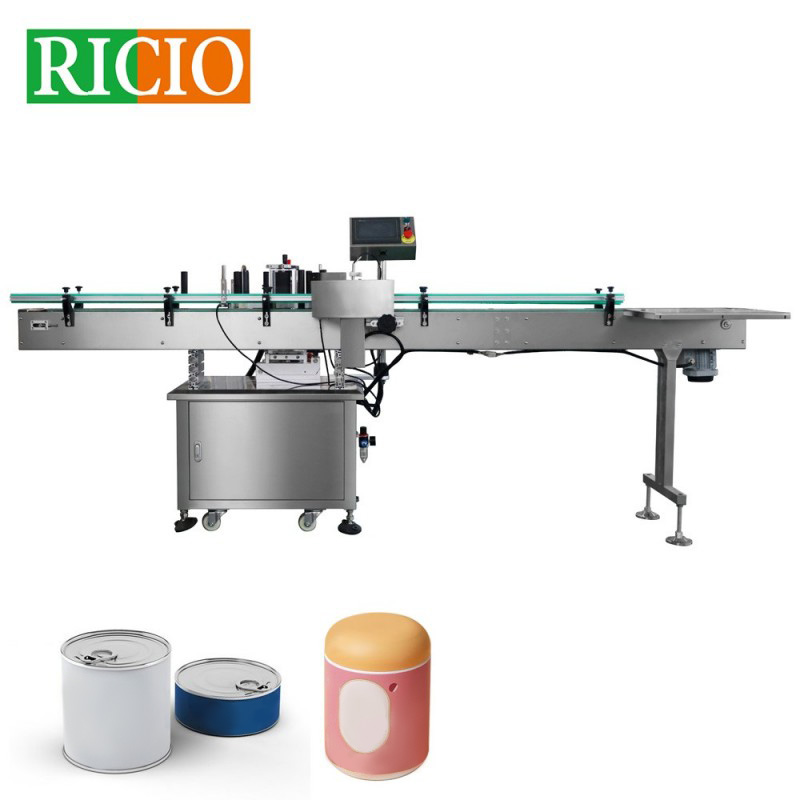
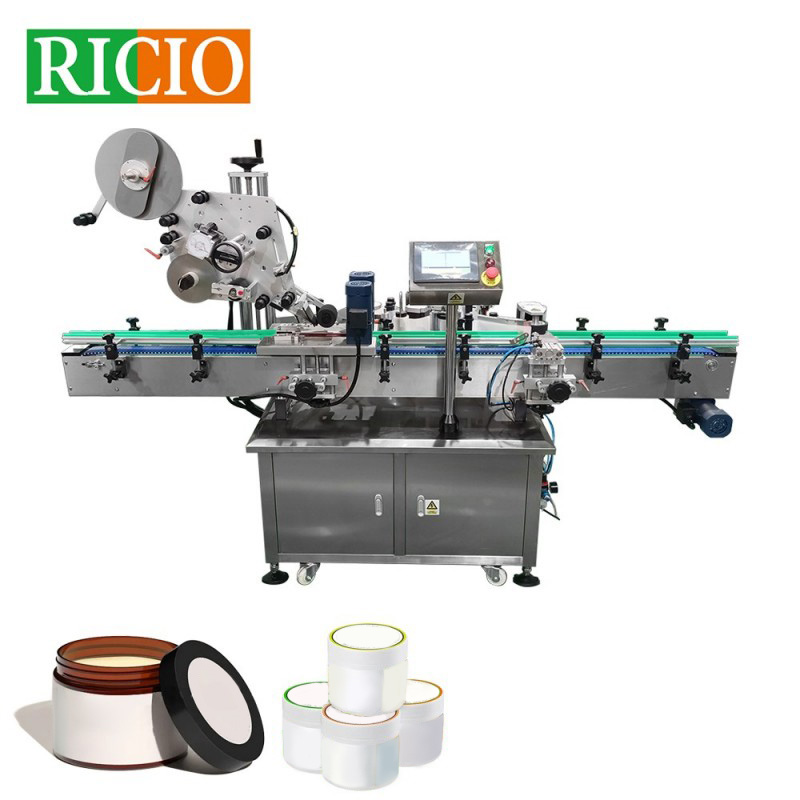
Fully automatic round bottle labeling machines / fully automatic positioning round bottle labeling machines / fully automatic star disc rotary labeling machines are used for labeling round bottles, glass bottles, tinplate cans and aluminum cans.
Their core pain points mainly lie in container compatibility and labeling precision control, with distinct and targeted technical challenges. Although rolling labeling can be easily realized on round containers, slight deviations in bottle diameter and static electricity on surfaces often lead to skewed labels and trapped air bubbles.
Glass bottles feature hard surfaces yet may carry tiny scratches; condensed water vapor also weakens label adhesion and causes label warping. Tinplate cans have smooth surfaces prone to static buildup, which attracts labels out of alignment, and sharp can edges frequently wrinkle labels.
Thin-walled aluminum cans are susceptible to deformation under uneven pressure during labeling, resulting in label peeling and positioning errors. Furthermore, these four types of containers cover a wide range of specifications, leading to cumbersome format changeovers.
Label adhesiveness is highly sensitive to temperature and humidity. At high labeling speeds, label jamming and stretching frequently occur alongside high material consumption. Collectively, these issues restrict labeling efficiency and standardized production, forming the primary bottleneck for labeling operations on such cylindrical containers.
Their core pain points mainly lie in container compatibility and labeling precision control, with distinct and targeted technical challenges. Although rolling labeling can be easily realized on round containers, slight deviations in bottle diameter and static electricity on surfaces often lead to skewed labels and trapped air bubbles.
Glass bottles feature hard surfaces yet may carry tiny scratches; condensed water vapor also weakens label adhesion and causes label warping. Tinplate cans have smooth surfaces prone to static buildup, which attracts labels out of alignment, and sharp can edges frequently wrinkle labels.
Thin-walled aluminum cans are susceptible to deformation under uneven pressure during labeling, resulting in label peeling and positioning errors. Furthermore, these four types of containers cover a wide range of specifications, leading to cumbersome format changeovers.
Label adhesiveness is highly sensitive to temperature and humidity. At high labeling speeds, label jamming and stretching frequently occur alongside high material consumption. Collectively, these issues restrict labeling efficiency and standardized production, forming the primary bottleneck for labeling operations on such cylindrical containers.








 +86 13681850339
  sales@raxpack.com
 Building 6, No. 477 Tiefeng Road, Baoshan District, Shanghai, China