
 English
 русский
 Español
 عربى
عربى

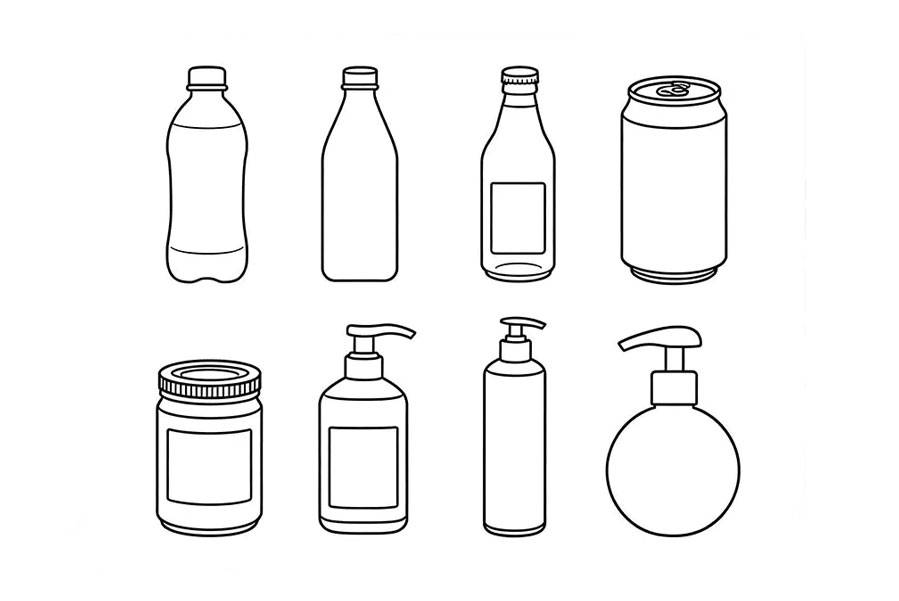
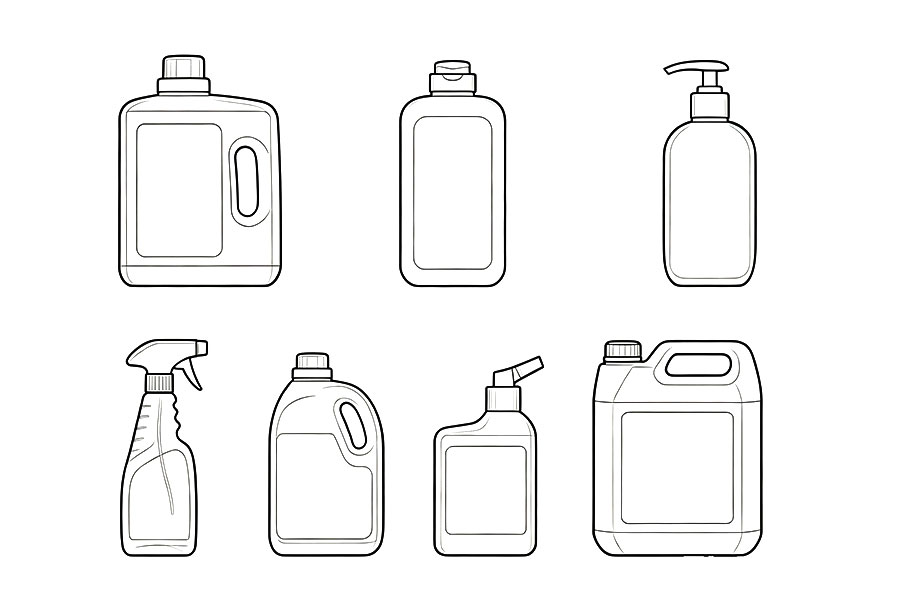
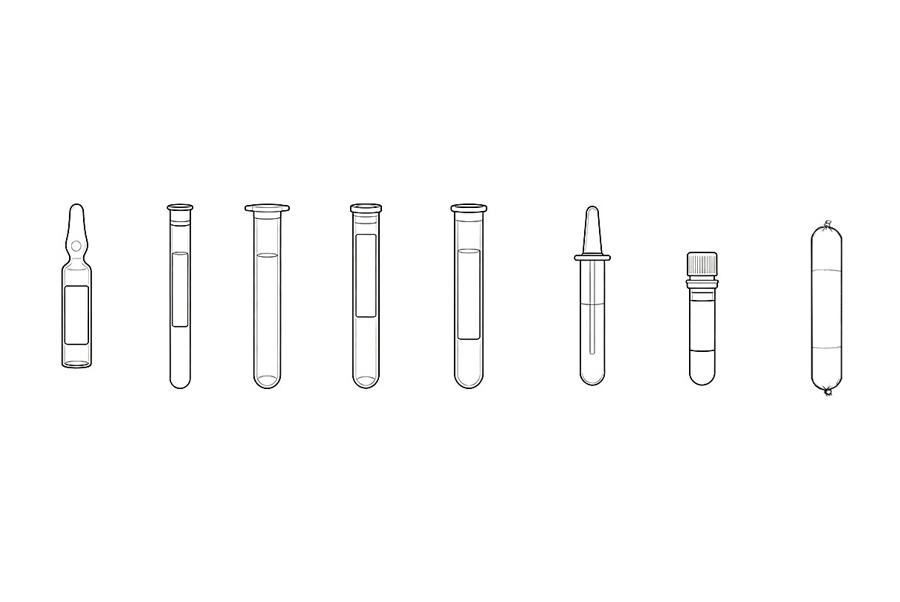
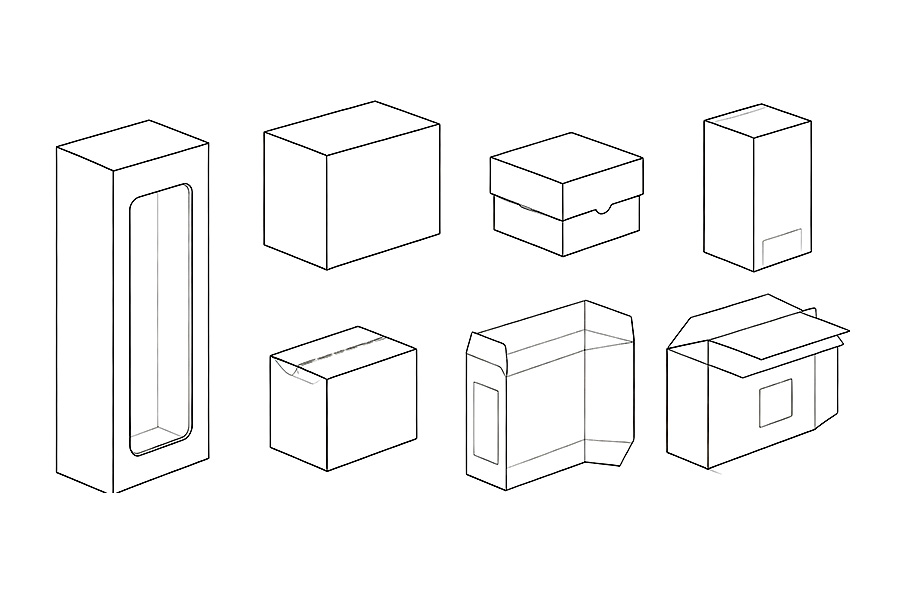
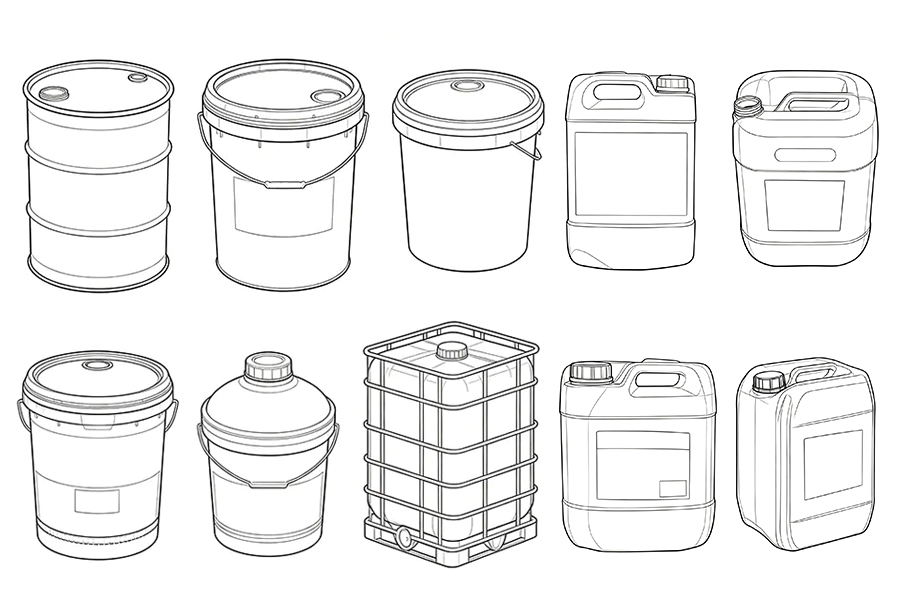
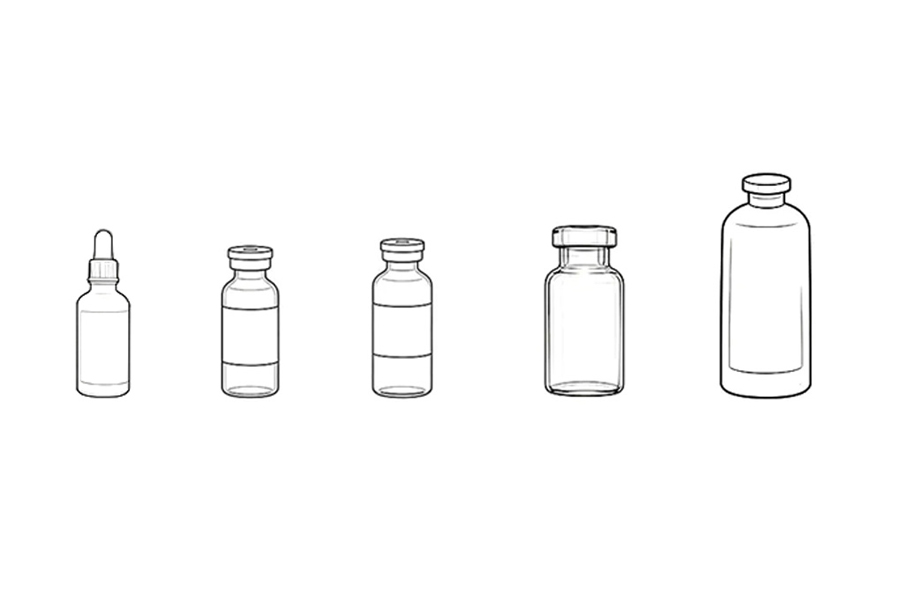
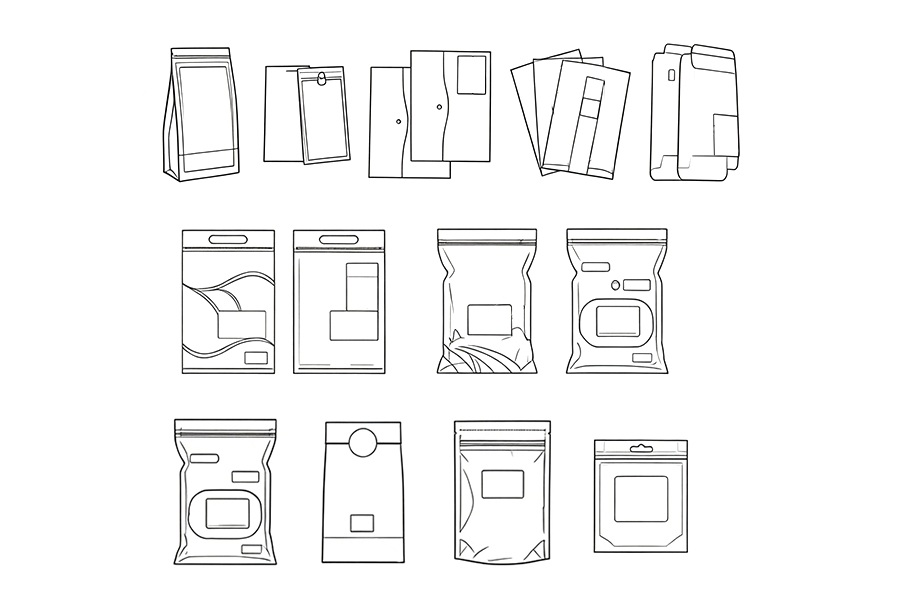
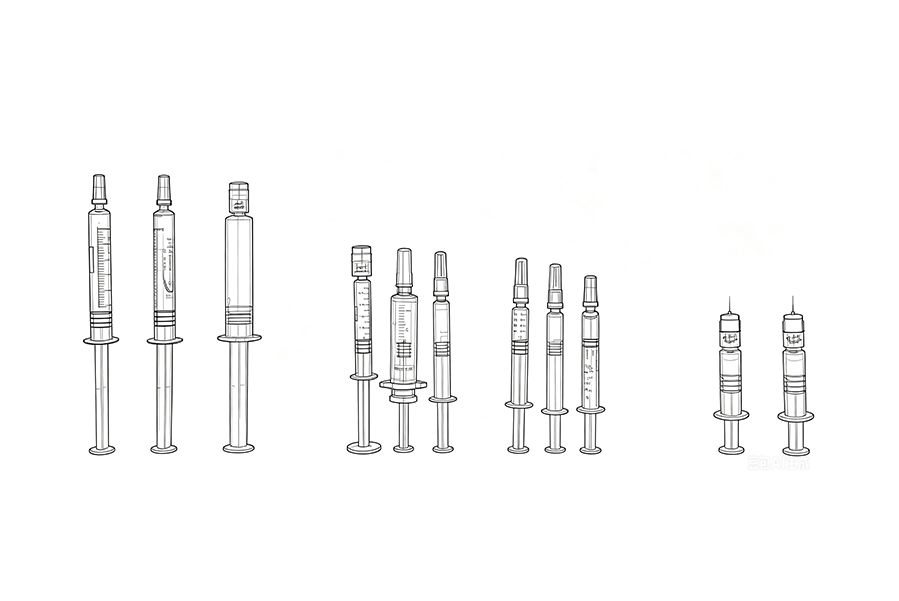
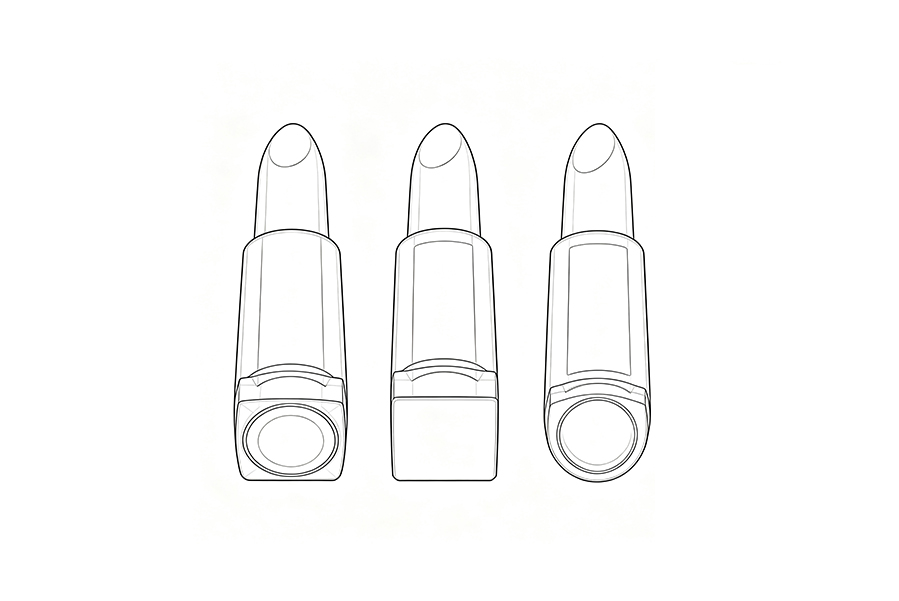
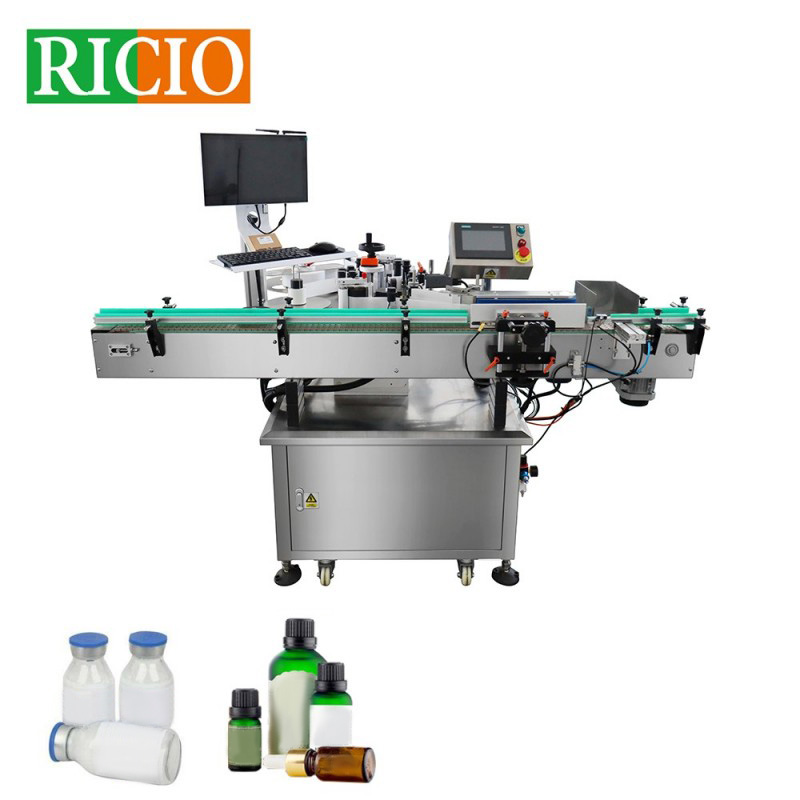
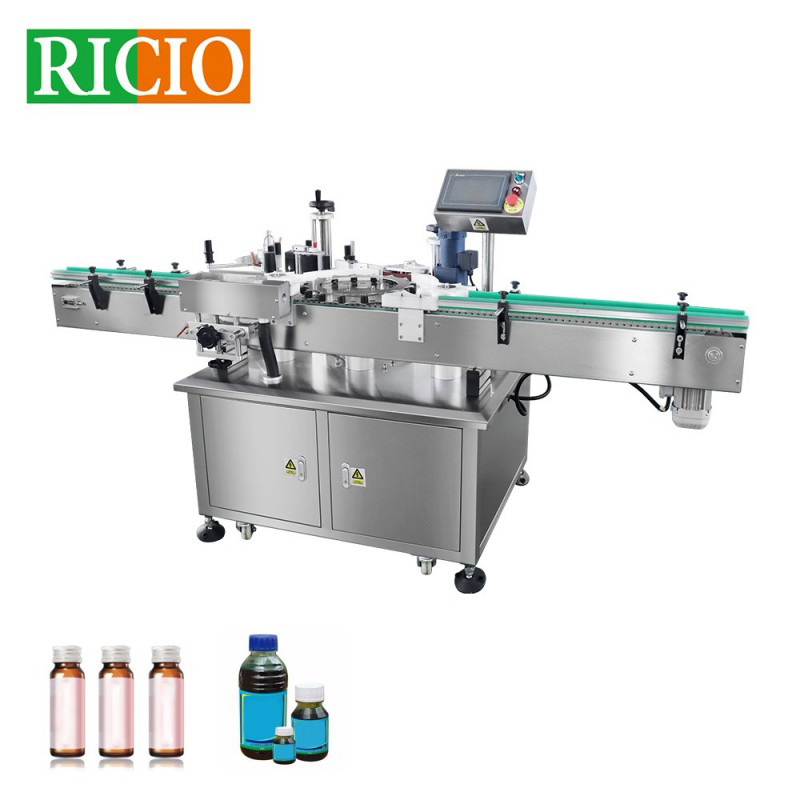
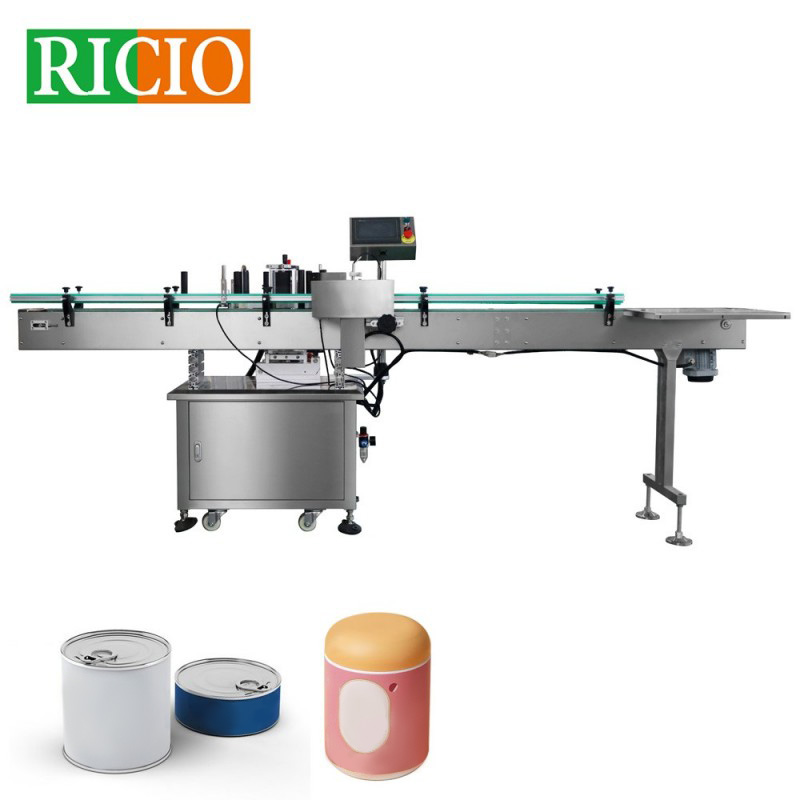
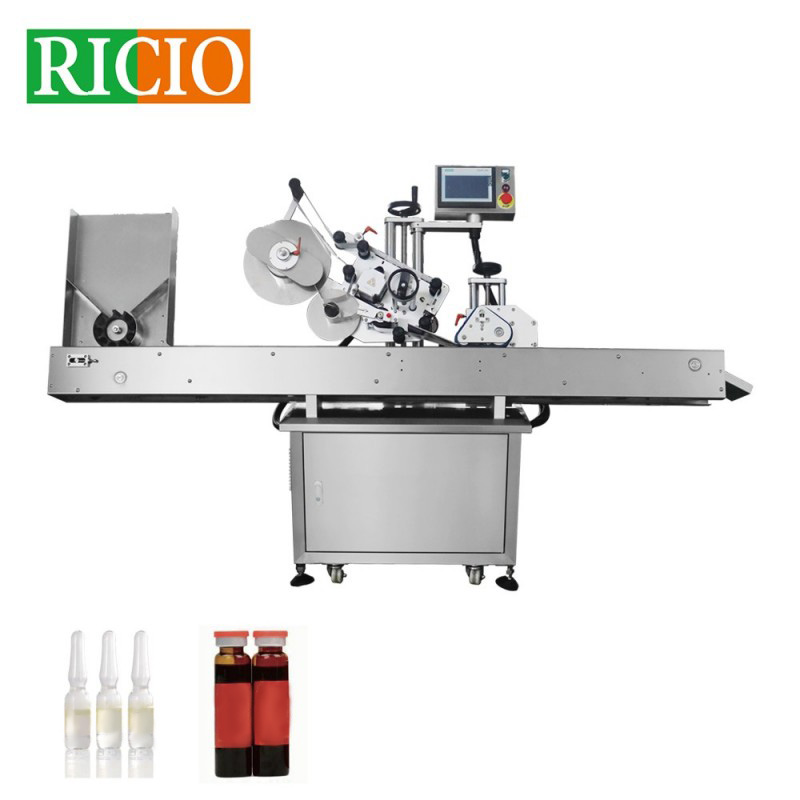
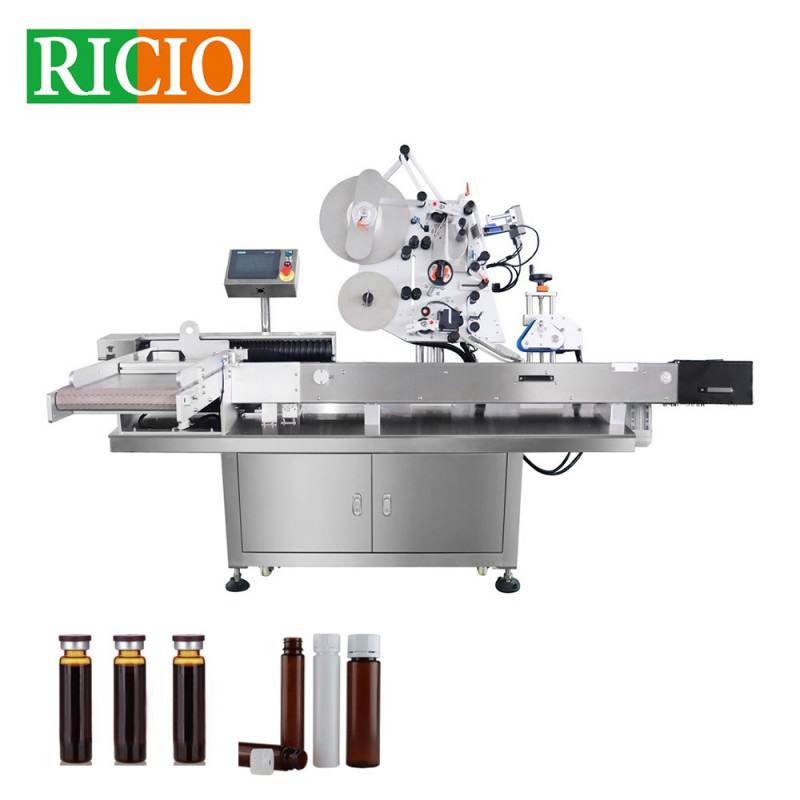
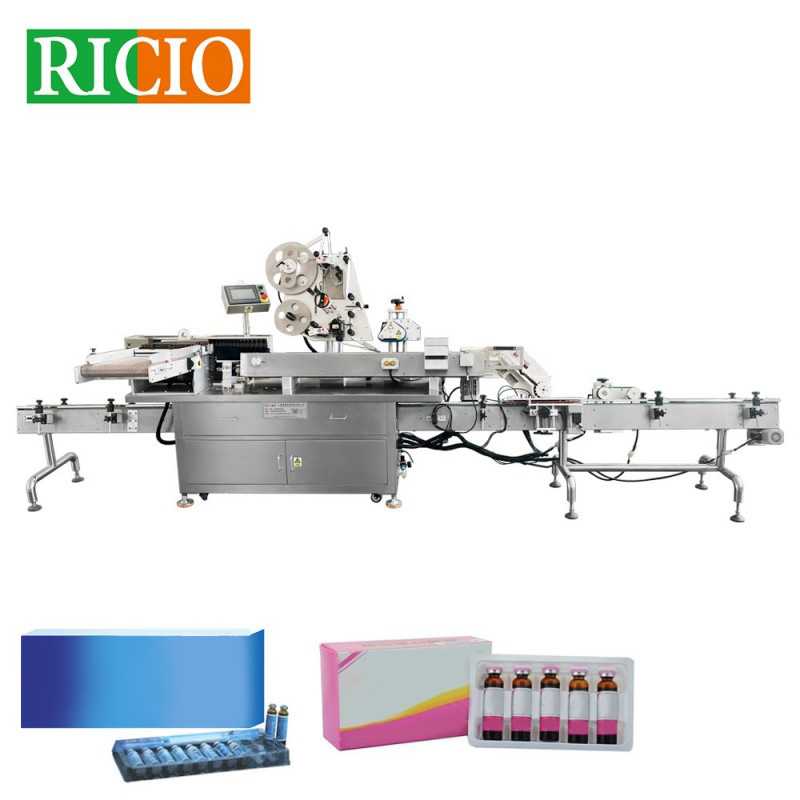
TFull-automatic labeling machines serve as core equipment for automated production in the pharmaceutical industry, directly determining product compliance, traceability and medication safety. However, the labeling process is restricted by unique industry characteristics and faces prominent technical challenges.
Pharmaceutical containers come in diverse forms, including vials, ampoules, medicine boxes and other varied specifications. Small-sized bottles are prone to positional deviation, while irregularly shaped containers suffer from uneven laminating force, easily causing label skew and edge warping. Static electricity and surface scratches on containers of different materials also undermine labeling firmness, and the switching of multi-specification production involves cumbersome adjustment procedures.
Pharmaceutical labeling adopts extremely stringent standards. Labels must clearly display complete drug information; they are made of special materials whose viscosity is highly affected by temperature and humidity, leading to easy deformation and peeling. Minor labeling feeding deviations may block key product information and trigger compliance risks.
In high-speed production scenarios, asynchronous conveying of containers and labels reduces labeling accuracy, and component wear frequently causes equipment downtime. In addition, strict clean workshop environment requirements, high equipment maintenance costs, and continuously upgraded traceability and compliance standards further aggravate labeling difficulties, forming a major bottleneck restricting the standardization of pharmaceutical production.
Pharmaceutical containers come in diverse forms, including vials, ampoules, medicine boxes and other varied specifications. Small-sized bottles are prone to positional deviation, while irregularly shaped containers suffer from uneven laminating force, easily causing label skew and edge warping. Static electricity and surface scratches on containers of different materials also undermine labeling firmness, and the switching of multi-specification production involves cumbersome adjustment procedures.
Pharmaceutical labeling adopts extremely stringent standards. Labels must clearly display complete drug information; they are made of special materials whose viscosity is highly affected by temperature and humidity, leading to easy deformation and peeling. Minor labeling feeding deviations may block key product information and trigger compliance risks.
In high-speed production scenarios, asynchronous conveying of containers and labels reduces labeling accuracy, and component wear frequently causes equipment downtime. In addition, strict clean workshop environment requirements, high equipment maintenance costs, and continuously upgraded traceability and compliance standards further aggravate labeling difficulties, forming a major bottleneck restricting the standardization of pharmaceutical production.

 +86 13681850339
  sales@raxpack.com
 Building 6, No. 477 Tiefeng Road, Baoshan District, Shanghai, China