
 English
 русский
 Español
 عربى
عربى

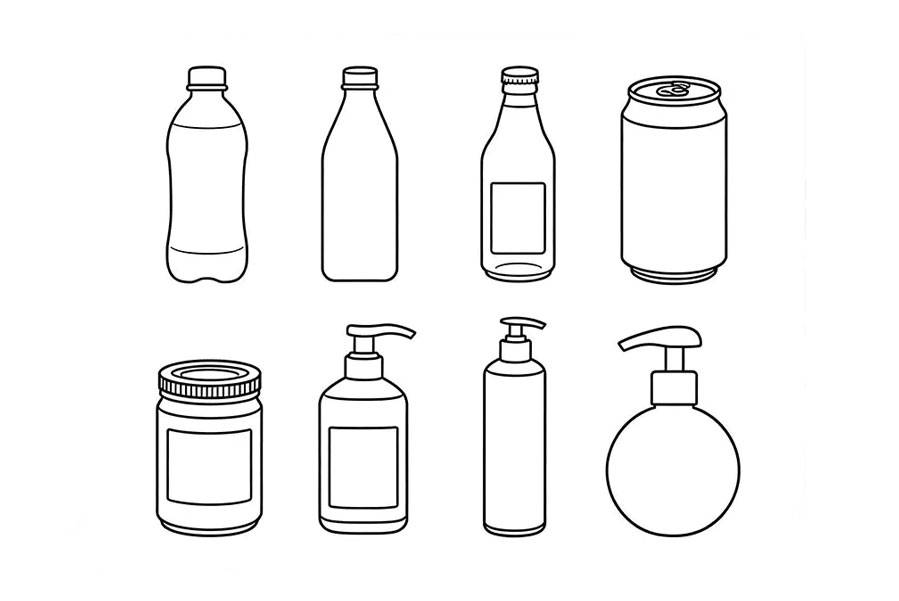
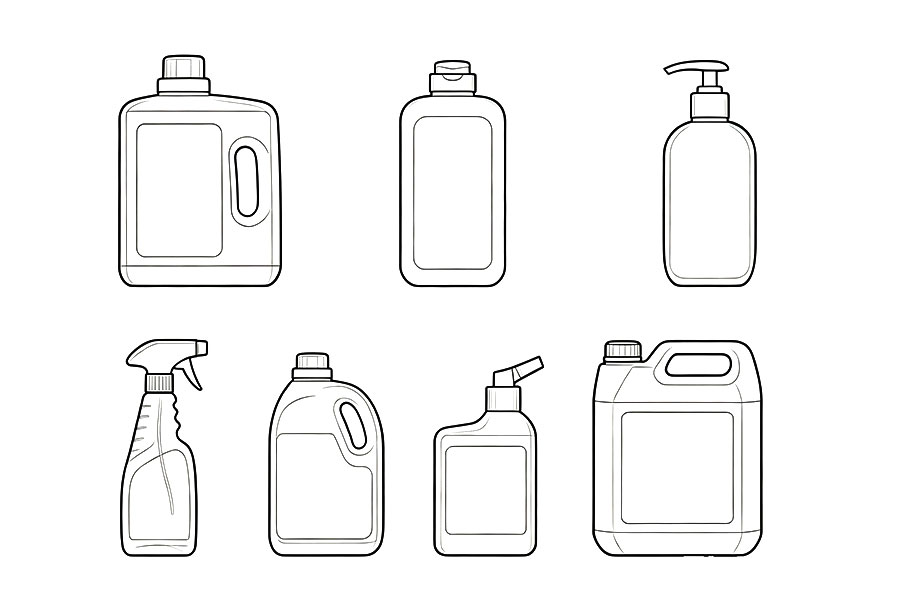
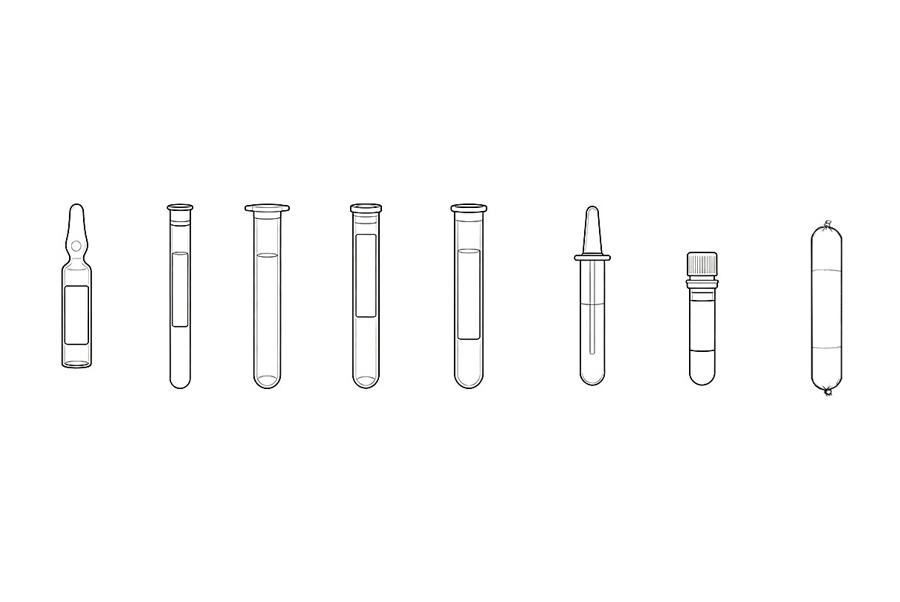
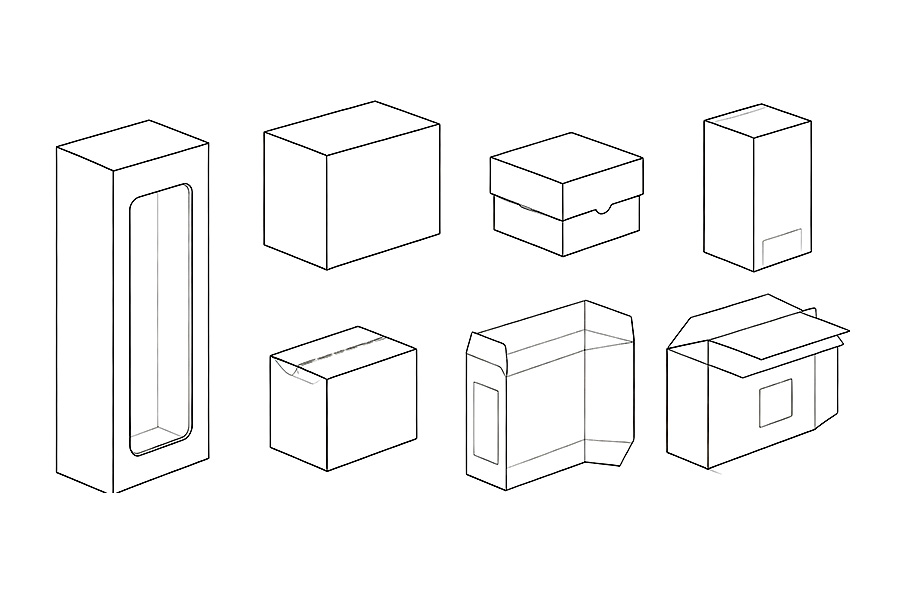
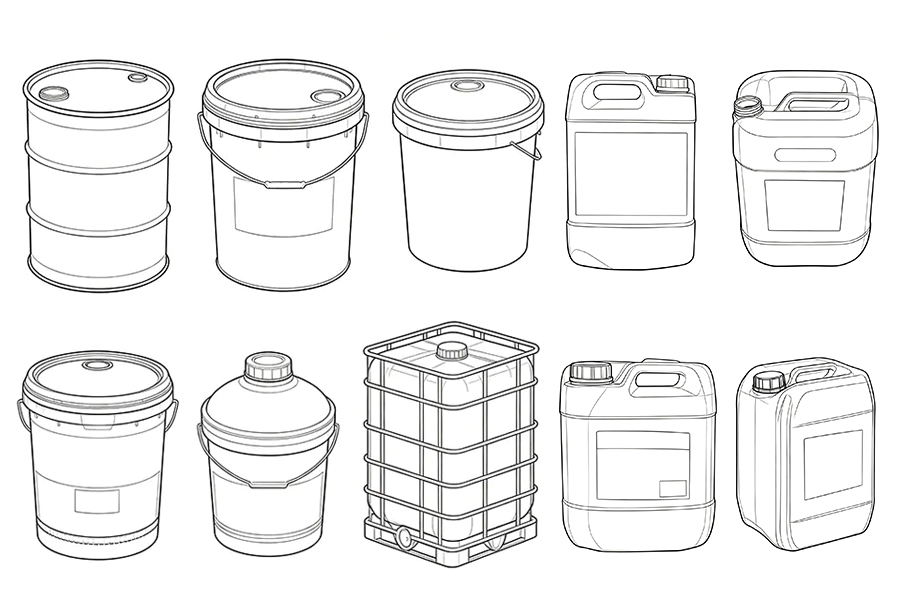
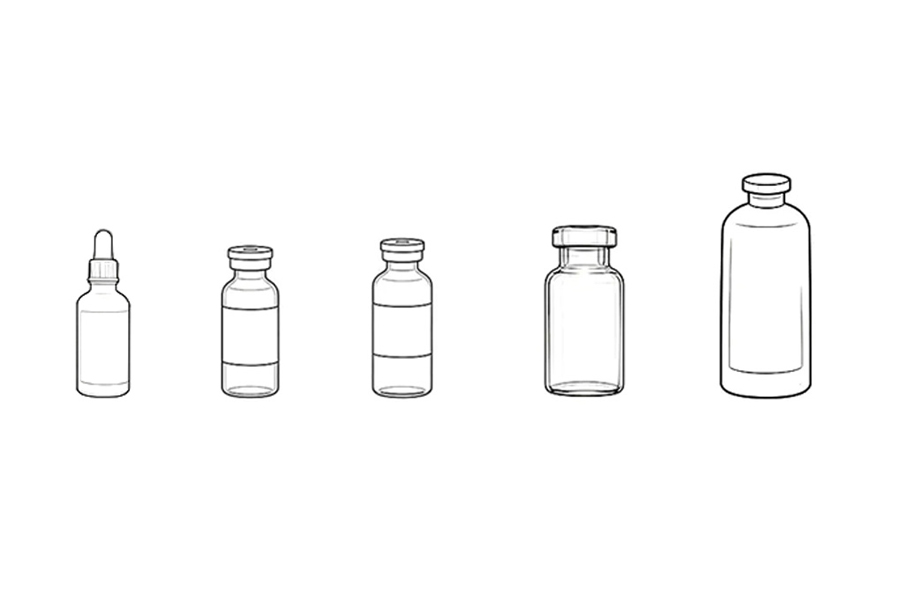
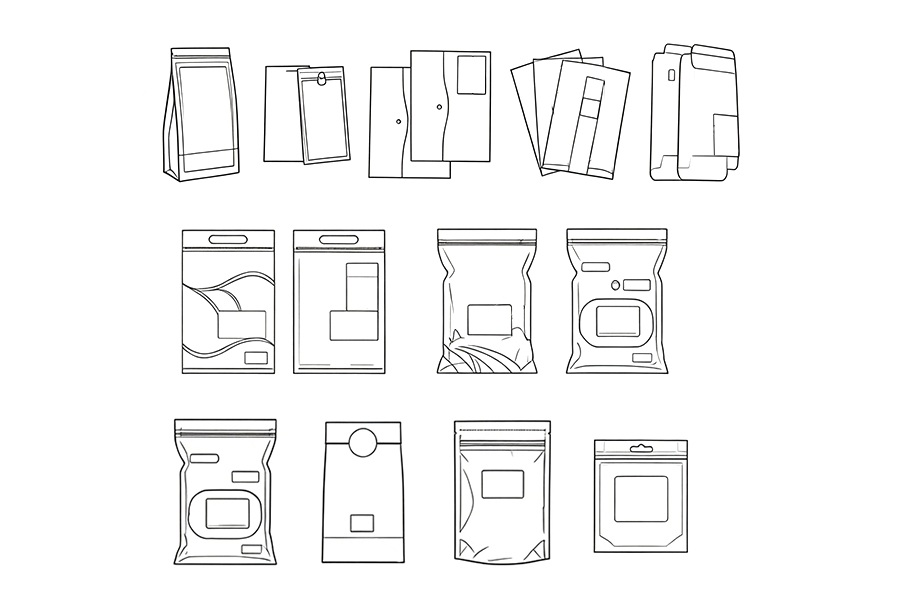
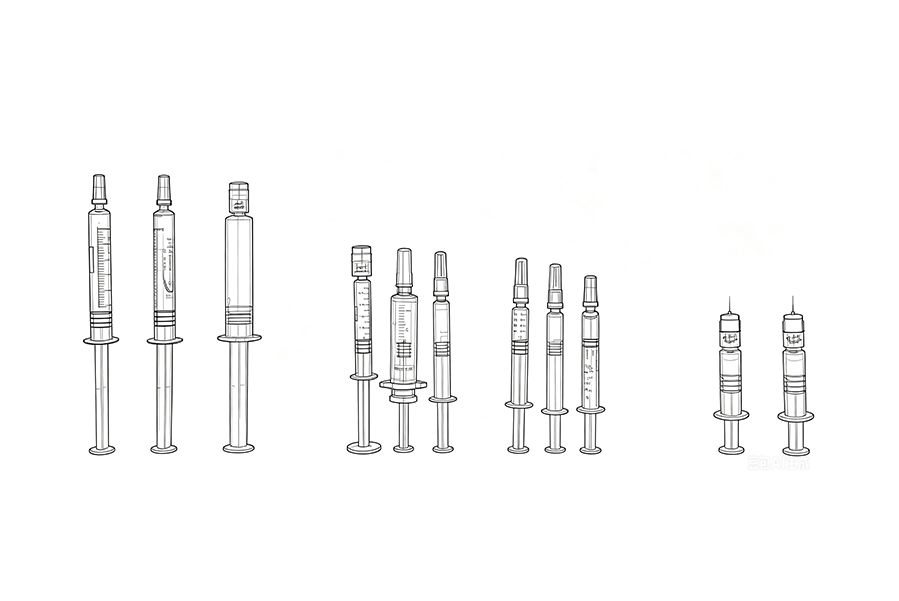
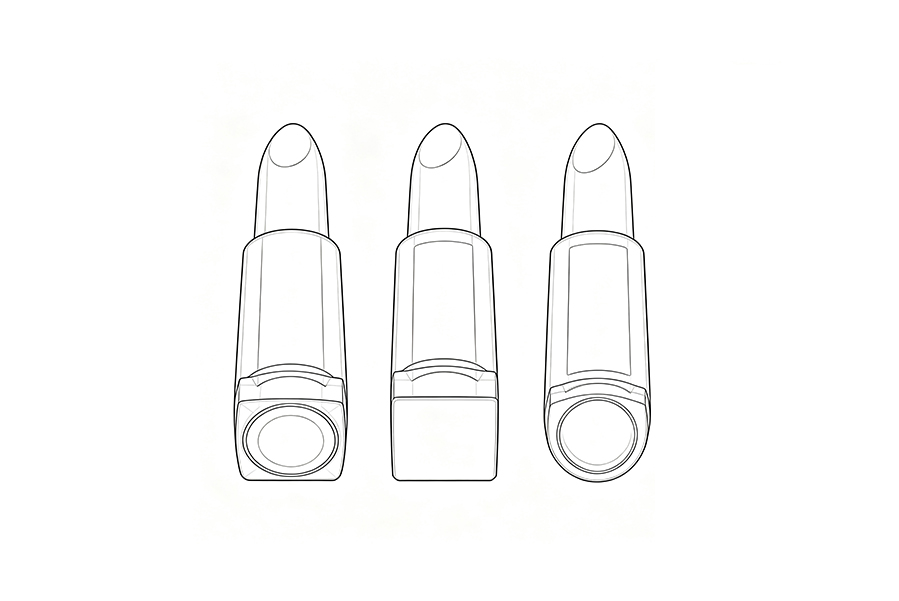
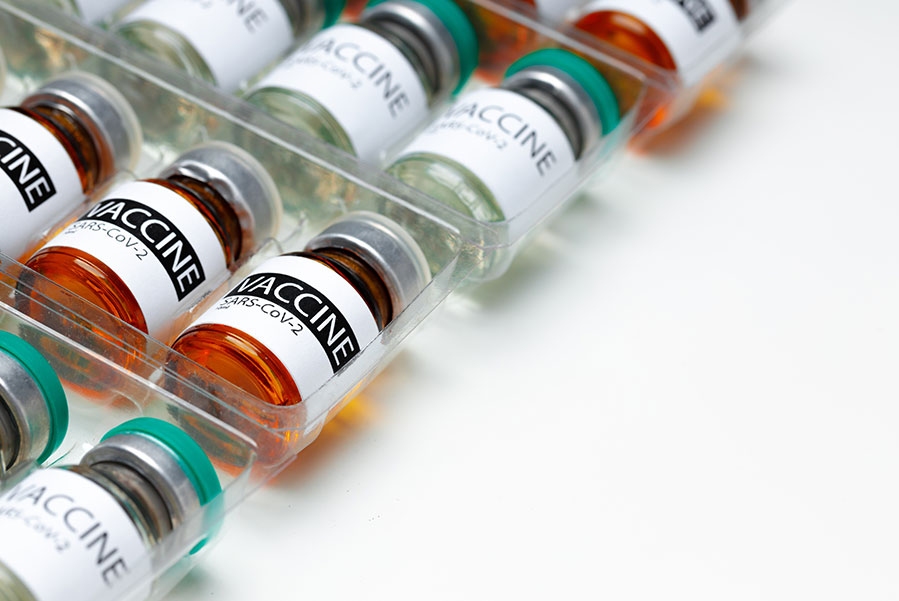
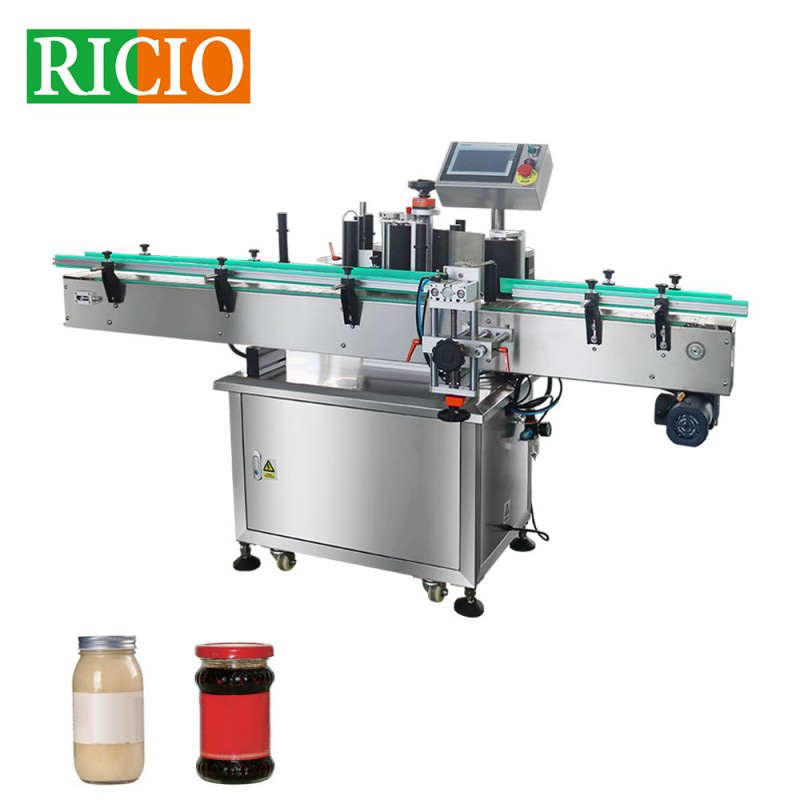
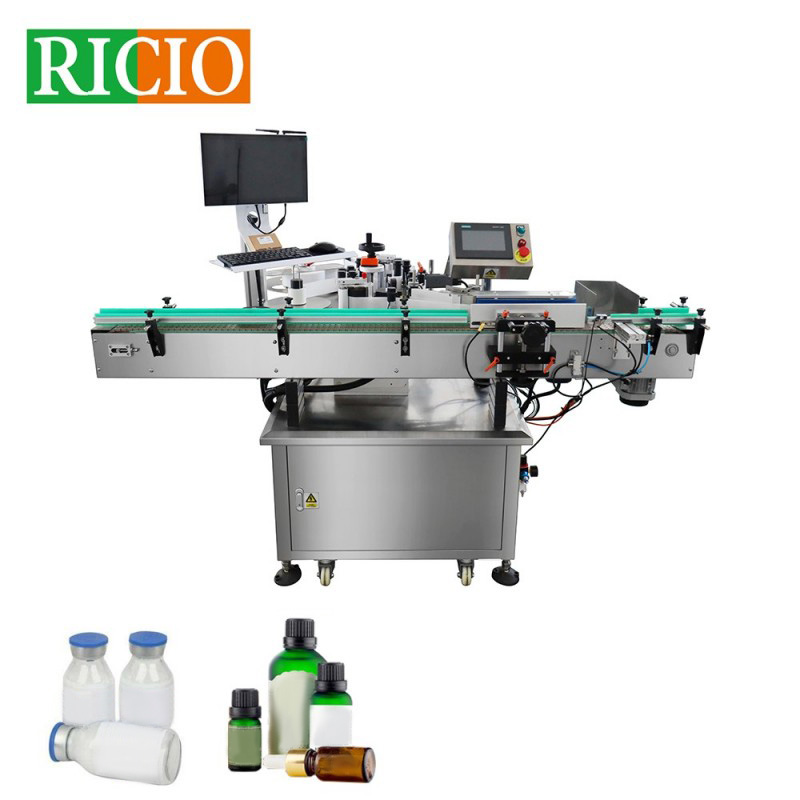
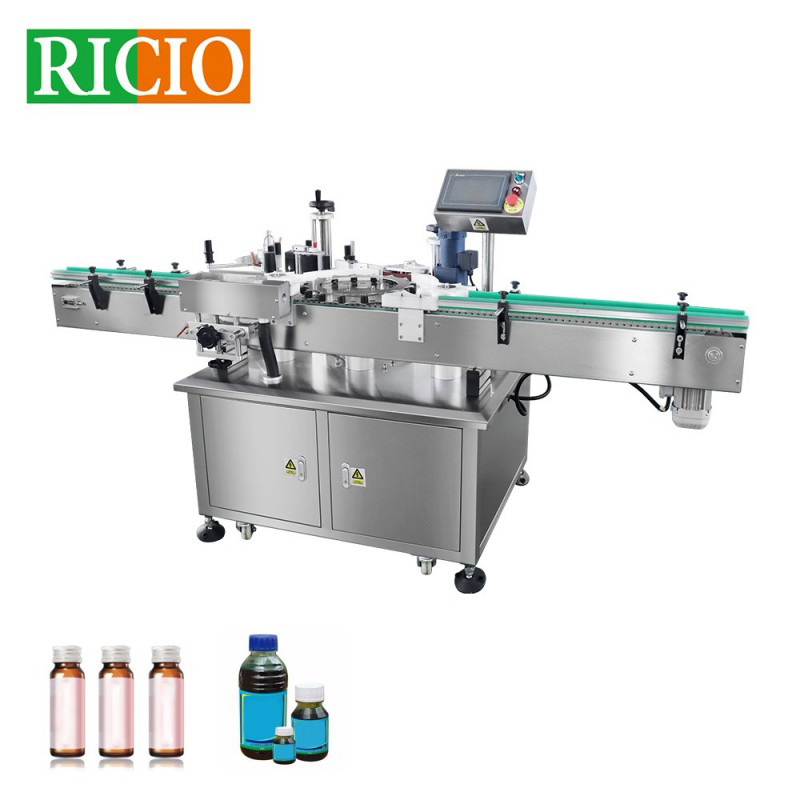
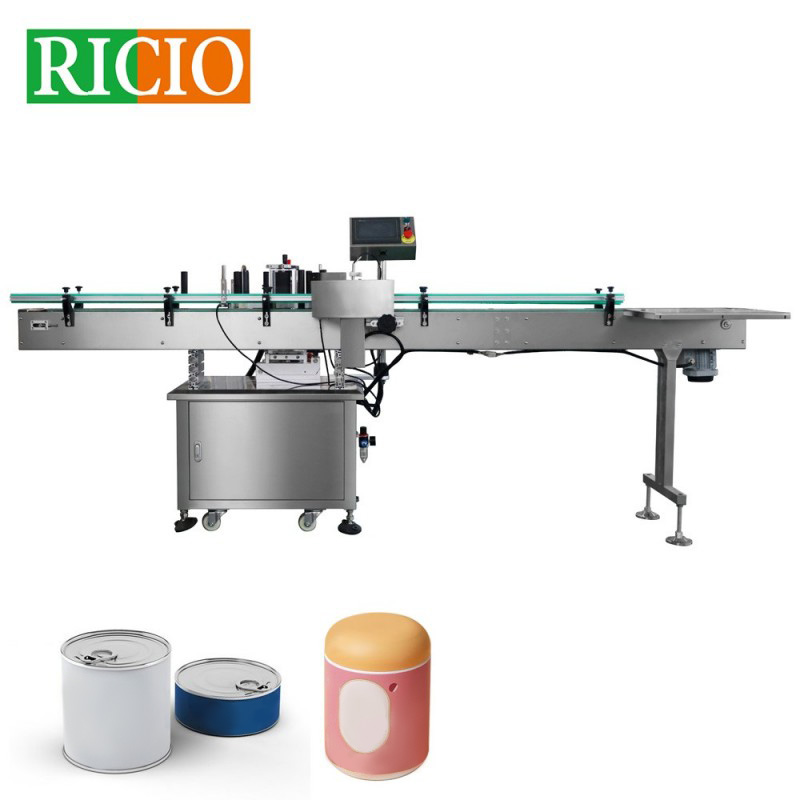
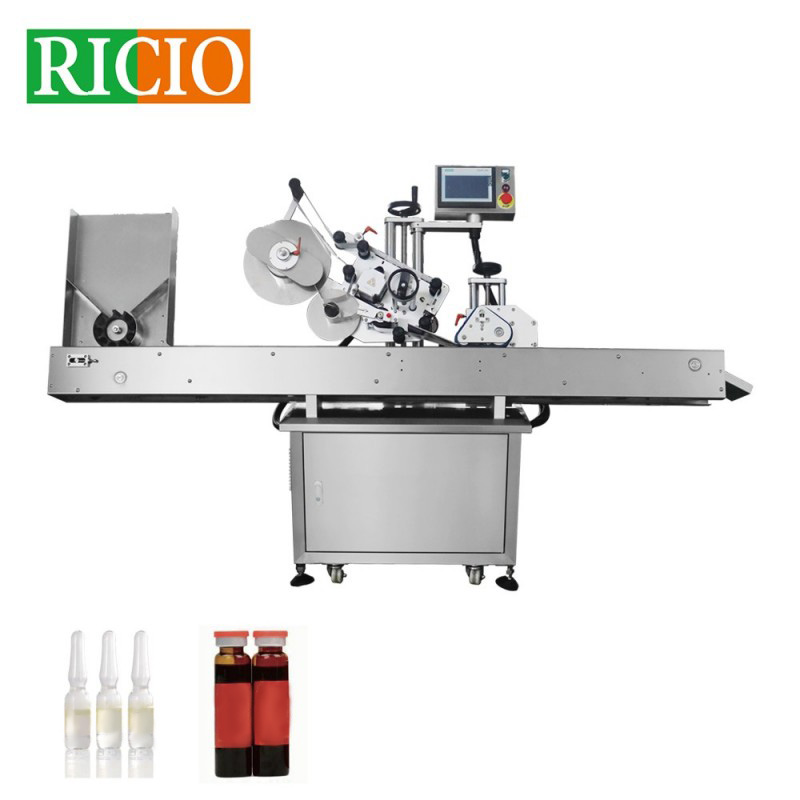
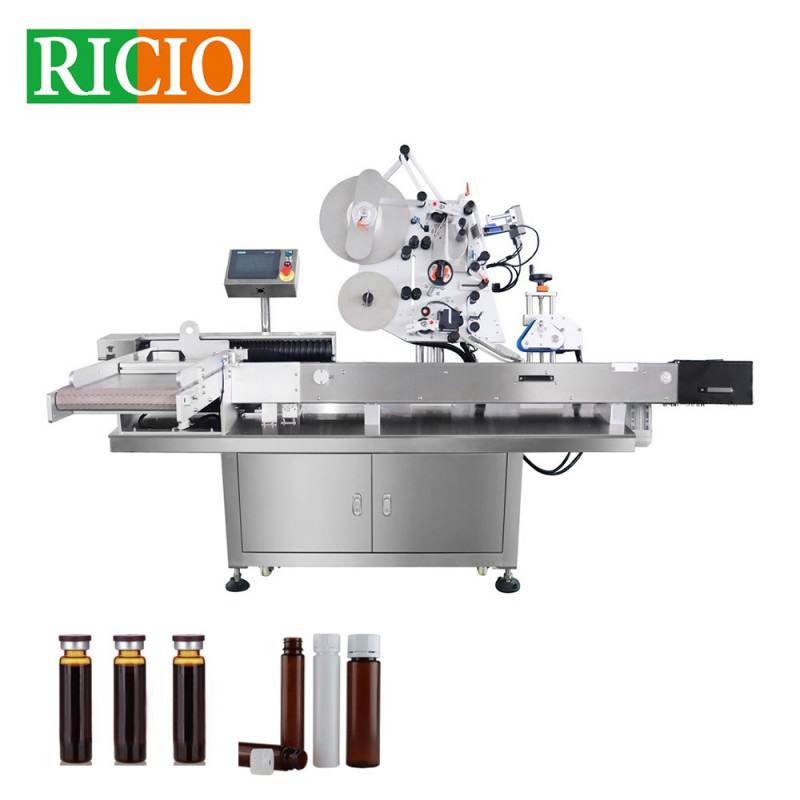
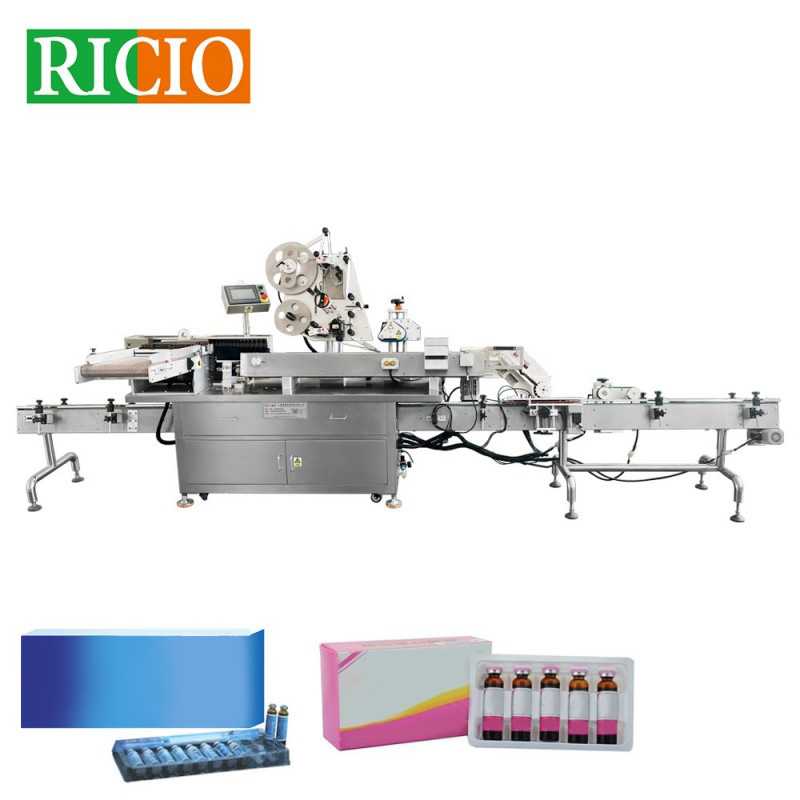
The fully automatic high-speed vertical self-adhesive labeling machine serves as core equipment for labeling small-sized pharmaceutical bottles in the pharmaceutical industry. Primarily applied to labeling vials, dropper bottles, small medicine bottles and injection bottles, it is directly critical to medication safety and regulatory compliance, with core labeling challenges centered on container characteristic adaptation and precision control.
These pharmaceutical bottles are all small-sized with slender bodies and small diameters, making positioning highly difficult and prone to offset, which results in skewed labels. Vials and injection bottles have smooth surfaces and brittle materials, susceptible to breakage under uneven stress during labeling. Dropper bottles and small medicine bottles feature irregular shapes with complex curved surfaces at the neck-body transition, easily causing label warping and trapped air bubbles.
Self-adhesive labels must fit small dimensions. Thin and lightweight, they are prone to tensile deformation, sticking together and shifting during feeding. As labels must clearly mark drug information, any deviation may trigger compliance risks. In addition, cumbersome format changeovers, reduced precision at high labeling speeds, and static dust adsorption on bottle surfaces further aggravate labeling difficulties, restricting labeling efficiency and standardized production.
These pharmaceutical bottles are all small-sized with slender bodies and small diameters, making positioning highly difficult and prone to offset, which results in skewed labels. Vials and injection bottles have smooth surfaces and brittle materials, susceptible to breakage under uneven stress during labeling. Dropper bottles and small medicine bottles feature irregular shapes with complex curved surfaces at the neck-body transition, easily causing label warping and trapped air bubbles.
Self-adhesive labels must fit small dimensions. Thin and lightweight, they are prone to tensile deformation, sticking together and shifting during feeding. As labels must clearly mark drug information, any deviation may trigger compliance risks. In addition, cumbersome format changeovers, reduced precision at high labeling speeds, and static dust adsorption on bottle surfaces further aggravate labeling difficulties, restricting labeling efficiency and standardized production.




 +86 13681850339
  sales@raxpack.com
 Building 6, No. 477 Tiefeng Road, Baoshan District, Shanghai, China