 English
 русский
 Español
 عربى
عربى


Bottle Labeling Machine Guide: Types, Selection, Speed and Buying Tips
2026-09-09
Content
- 1 How a Bottle Labeling Machine Actually Works
- 2 Main Machine Families and Where Each One Fits
- 3 Matching the Machine to Your Bottle, Label and Line
- 4 Speed, Accuracy and Line Balancing in Real Numbers
- 5 Labeling Defects That Cause the Most Rework and How to Prevent Them
- 6 What to Check Before You Sign a Purchase Order
- 7 Everyday Maintenance That Keeps Accuracy Tight
- 8 Frequently Asked Questions About Bottle Labeling Machines
- 8.1 How much does a bottle labeling machine cost?
- 8.2 Can one machine handle different bottle sizes?
- 8.3 What placement accuracy should I expect?
- 8.4 Can it apply transparent labels to clear bottles?
- 8.5 Do I need an automatic machine, or will a tabletop model keep up?
- 8.6 What should I send a manufacturer for an accurate quotation?
- 9 The Bottom Line for Buyers
If you are shortlisting a bottle labeling machine right now, the fastest way to cut through supplier brochures is to answer three questions first: what shape are your bottles, how many bottles per minute the machine must label at peak, and how many labels go on each bottle. Those three answers usually eliminate half of any catalog. A tabletop round-bottle applicator rated at 20-40 bottles per minute solves a completely different problem from a rotary machine running at 300 bottles per minute, and the price gap between the two is routinely tenfold. Buyers who overspecify tie up capital in speed they never use, while buyers who underspecify end up hand-applying overflow batches within a year. This guide explains how these machines actually work, which machine family fits which container, the specifications that decide day-to-day performance, and the failure modes that only show up after installation.Round Bottle Labeling Machine
How a Bottle Labeling Machine Actually Works
Every pressure-sensitive bottle labeling machine, from a benchtop unit to a high-speed rotary system, repeats the same cycle: it singles out one bottle, confirms its position with a sensor, peels a label from the backing paper at the dispensing edge, and applies it by wrapping or pressing. Speed and accuracy ratings all trace back to how tightly these steps are synchronized, so it pays to know the hardware by name.
- Product spacing screw (feed worm): times bottles into even gaps so the labeling head always sees one container at a time. Machines that rely on conveyor speed alone lose accuracy with lightweight bottles that can slip.
- Label dispensing engine: a stepper motor on economical machines, a servo motor on mid-range and high-speed models. Servo drives hold placement accuracy at speeds where stepper systems begin to drift, which is why most machines rated above 100 bottles per minute use servos.
- Sensor stack: a product sensor detects each bottle while a label-gap sensor reads the gap between labels on the backing paper. Together they decide exactly when each label is dispensed.
- Application station: round bottles pass a wrap belt that spins the container as the label feeds on; square and oval bottles are pressed by a pad or clamped between side belts instead.
- Operator interface (HMI): stores recipes so that switching between bottle sizes becomes a recall-and-adjust job rather than a re-engineering job.
When these elements are matched correctly, most manufacturer specification sheets quote placement accuracy of ±1 mm on a repeatable basis. If a supplier cannot state an accuracy figure for a bottle and label combination like yours, treat that as a gap in the offer, not a minor detail.
Main Machine Families and Where Each One Fits
Bottle labeling machines are divided less by brand and more by the geometry they handle and the output they sustain. The table below summarizes the five families that cover nearly every beverage, food, cosmetics, chemical and pharmaceutical bottle application, with output ranges typical of specification sheets published by labeling machine manufacturers.
| Machine Type | Bottle Shapes | Typical Output | Label Placement |
|---|---|---|---|
| Tabletop round-bottle applicator | Small round bottles, vials, jars | 20-40 bottles per minute | Full wrap |
| Automatic inline round-bottle machine | Round glass and PET bottles | 40-150 bottles per minute | Full wrap or front panel |
| Double-side labeling machine | Square, rectangular, flat oval | 30-120 bottles per minute | Front and back at once |
| Rotary labeling machine | Round containers at high volume | 150-400+ bottles per minute | Wrap or multi-panel with several heads |
| Print-and-apply labeling machine | Bottles plus cases and trays | 20-60 applications per minute | Label printed with batch or date data at application |
Two practical notes on reading this table. First, ratings describe sustained mechanical speed, not guaranteed daily output; short bottles, frequent changeovers and label roll replacements all pull real numbers down. Second, the families are not strictly separate: a double-side station and a wrap station are often combined on one conveyor when a square bottle also needs a neck label. Manufacturers that machine their own frames and components in-house, as we do at RICIO in Shanghai, can build these combinations without the alignment compromises of bolt-together retrofits.
Matching the Machine to Your Bottle, Label and Line
Bottle Geometry Decides the Machine Architecture
Round bottles are the easy case: a wrap belt rotates the container and the label feeds on tangentially, giving clean edge-to-edge coverage. Square and rectangular bottles cannot be spun, so they need a top hold-down belt or side clamping to stay vertical while front and back panels are applied simultaneously. Oval bottles are the most demanding of the three because the curved face wants to rotate under pressure; machines that handle ovals well use matched side belts and a bottle spacing screw timed to the label cycle. Tapered bottles need an angled application head, and that angle must be calculated from an actual bottle sample rather than a drawing.
Label Stock Specifications to Confirm Before Ordering
- Liner width: as a working rule, liner width equals label height plus about 10 mm. Confirm your roll stock against the machine's rated range before purchase.
- Label gap: most label converters slit pressure-sensitive rolls with a 3 mm gap between labels, which is what standard label-gap sensors expect. Non-standard gaps are possible but must be declared.
- Roll direction: labels wind off the roll in a fixed orientation; the wrong unwind direction is one of the most common and cheapest-to-avoid ordering errors.
- Core size and roll diameter: most machines take 76 mm (3 inch) cores with an outside roll diameter around 250-300 mm. Larger rolls mean fewer changeovers per shift.
The Transparent Bottle and Transparent Label Problem
If your product is a clear bottle carrying a no-label-look transparent film label, say so at quotation stage. Conventional photoelectric gap sensors cannot reliably see a clear label on a clear liner, and standard product sensors can misread glass. The workable solutions, such as capacitive or ultrasonic label sensors and specially tuned product detection, are well established, but they change the sensor specification and the price. Retrofitting them after delivery costs far more than specifying them at the start.
Speed, Accuracy and Line Balancing in Real Numbers
The most reliable line-balancing rule used across beverage packaging is to rate the labeler at 110-120% of the filler's maximum output. A labeler that merely matches the filler has nowhere to go when speeds surge, and the line backs up within minutes.
Example: your filler runs 6,000 bottles per hour, which is 100 bottles per minute. A machine rated at 120 bottles per minute gives you the 20% headroom needed to absorb micro-stops, label roll changes and short bottles without starving the labeler or flooding it.
Real output also depends on changeover discipline. Machines with tool-free adjustment and stored recipes typically move between bottle sizes in 10-30 minutes; gear-based machines without recipe memory can take three times longer. On a line running four SKUs per day, that difference is measured in lost cases, not lost minutes.
One more figure worth requesting: measured uptime on the supplier's reference installations. A well-built inline labeler running a clean pressure-sensitive application routinely sustains 95% or better availability across a shift. If a supplier quotes 99%, ask how it was measured. If they cannot answer, discount the claim and re-run your payback calculation on a more conservative number.
Labeling Defects That Cause the Most Rework and How to Prevent Them
Labeling defects are rarely mysterious. Each of the five most common problems maps to a specific mechanical or material cause, and all five are preventable when they are understood at the purchasing stage rather than debugged on the floor.
- Wrinkles on wrapped labels. Caused by the wrap belt running faster than the bottle surface or by too much wrap length on a short label. Fixed by synchronizing belt speed with conveyor speed and limiting the wrap angle.
- Bubbles under clear labels. Caused by insufficient application pressure, static on the bottle surface, or dust contamination. Fixed with a felt-pad or roller squeegee station and by labeling in a reasonably clean, static-controlled area.
- Flagging, where label edges lift. Caused by an adhesive that is too stiff for the bottle curvature, by condensation on cold-filled bottles, or by relaxed wrap tension. Matching the adhesive to the container material and storing labels at room temperature resolves most cases.
- Skewed or tilted labels. Caused by sensor timing drift, a worn spacing screw, or bottles entering with inconsistent gaps. This is a maintenance issue more than a design issue, which is why easy sensor access matters when you judge build quality.
- Missed or doubled labels. Usually a label-gap sensor misreading, most often with transparent liner, or two bottles passing the product sensor inside its blind spot. Correct sensor selection plus a stated minimum bottle spacing eliminates it.
A habit worth adopting from day one: run a 50-100 bottle trial batch after every changeover or label roll change and check placement against a fixed reference point on the bottle. This single habit catches almost every drift issue before it becomes a full pallet of rework.
What to Check Before You Sign a Purchase Order
Quotations for machines with identical-looking specifications can differ by a factor of two or three. The items below explain where that difference hides, and every one of them is checkable before you commit.
- Run your actual bottles and labels, not a demonstration kit. Ask the manufacturer to film your containers running at your target speed before final payment. Ten minutes of video settles more arguments than ten pages of specifications.
- Ask which components are machined in-house. Brackets and heads cut from solid stock on CNC machining centers hold alignment for years, while folded sheet-metal assemblies drift with vibration. A source manufacturer can answer this immediately, and the answer predicts long-term stability.
- Confirm servo versus stepper drives on the dispensing head, and ask at which speed the accuracy figure is guaranteed rather than merely achievable.
- Count the recipes the HMI can store and check that the interface language matches your operators. Recipe recall is what turns a 30-minute changeover into a 5-minute one.
- Put integration details in writing: conveyor height, line direction, and the speed signal from your filler. Most installation delays come from these three items being assumed rather than documented.
- Get the wear-parts list with prices: wrap belts, applicator pads, sensors and peeling blades. A cheap machine with unobtainable spares is the most expensive machine of all.
Everyday Maintenance That Keeps Accuracy Tight
Daily care on a bottle labeling machine takes minutes and protects accuracy figures that took weeks of engineering to achieve. A simple routine is enough.
- Every shift: wipe the label-gap sensor window and check the peeling edge for adhesive buildup. These two items are the leading causes of missed dispenses.
- Weekly: check wrap belt and conveyor belt tension, and inspect applicator pads for glazing or wear.
- Monthly: verify sensor alignment against a reference bottle, inspect drive belts, and re-tighten the adjustment knobs that see frequent changeovers.
- Always in stock: one spare set of wrap belts, an applicator pad, a label sensor and a peeling blade. These four items cover the vast majority of unplanned stops.
Frequently Asked Questions About Bottle Labeling Machines
How much does a bottle labeling machine cost?
Price bands quoted by manufacturers across major producing regions run roughly as follows: tabletop round-bottle units from about 1,500 to 5,000 US dollars; automatic single-head inline machines from about 5,000 to 15,000 dollars; double-side machines from about 10,000 to 30,000 dollars; and rotary systems from roughly 30,000 dollars upward depending on the number of heads. Treat these as orientation figures, because bottle material, label type, sensor package and integration scope all move the final number. Sample-based quotations are the only ones worth comparing side by side.
Can one machine handle different bottle sizes?
Yes, within its adjustment range. Most automatic machines accept a bottle diameter or width span of roughly 1:3, for example 30-90 mm, through hand adjustment of the guide rails and labeling head, and machines with recipe storage recall the setpoints for each SKU. What a single machine generally cannot do is change bottle family: a wrap station for round bottles and a double-side station for squares are different mechanisms, which is why combination lines exist.
What placement accuracy should I expect?
Specification sheets from established manufacturers typically state ±1 mm of placement repeatability under matched bottle, label and speed conditions. Accuracy degrades with lightweight bottles that tip or slip, with skewed label rolls, and with speeds beyond the machine's rating. If your brand standard demands tighter placement, raise it at quotation stage so the machine can be engineered around it.
Can it apply transparent labels to clear bottles?
Yes, but only with the right sensor package. Capacitive or ultrasonic label sensors replace the standard photoelectric gap sensor, and product detection is tuned for transparent containers. This is a proven configuration on cosmetics, spirits and premium beverage lines, but it must be specified when the machine is ordered, not discovered on the factory floor.
Do I need an automatic machine, or will a tabletop model keep up?
Work the arithmetic honestly. A tabletop unit at 30 bottles per minute produces about 18,000 bottles in a ten-hour shift. If your monthly volume sits well under roughly 300,000 bottles and labor cost is modest, a tabletop machine is a rational choice. Above that, an automatic machine pays for itself in labor savings and, more importantly, in consistency, because hand-fed labeling is where placement consistency disappears.
What should I send a manufacturer for an accurate quotation?
Three things: bottle samples or a drawing with diameter, height and material; the label layout with dimensions and roll specification; and your target output in bottles per hour at peak. Add a photo of the line where the machine will stand, including the available conveyor height. With these inputs, a capable manufacturer can quote firmly, promise a run-test video of your own containers, and state the honest changeover time between your SKUs.
The Bottom Line for Buyers
Choosing a bottle labeling machine is a matching exercise, not a shopping exercise. Match the machine family to your bottle geometry, rate the labeler at 110-120% of your filler output, confirm the label stock and sensor package in writing, and buy from a manufacturer who will run your samples before you pay. We build every machine described in this article, from tabletop units to rotary and print-and-apply systems, around core components we machine ourselves in Shanghai, and we are glad to put your bottles on a machine and film the result. Send the samples and the numbers; the right machine follows from the data.
related products
-
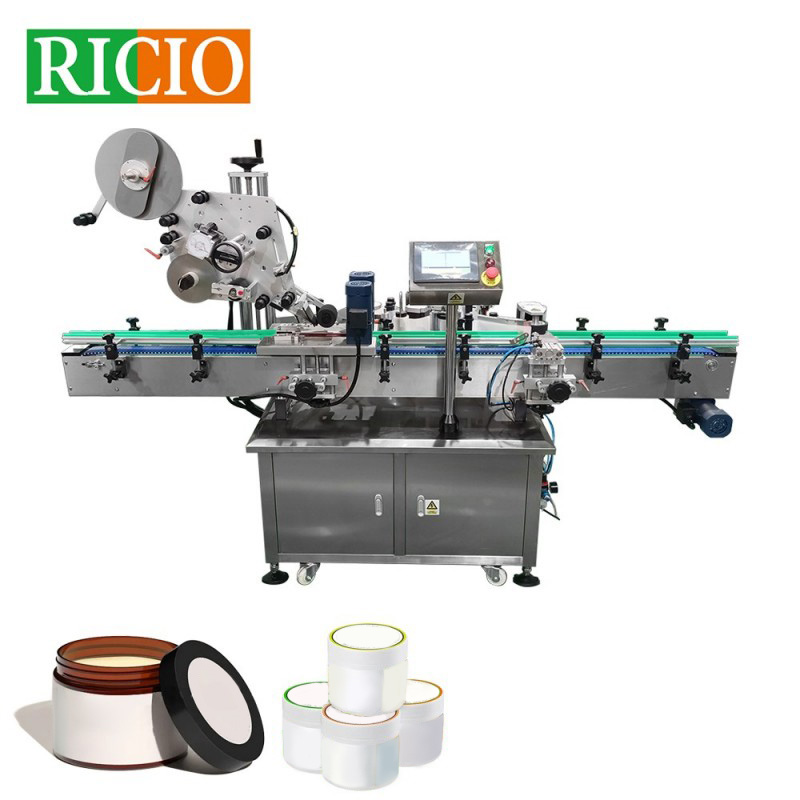
Automatic Round Bottle Side and Top Labeling Machine
-
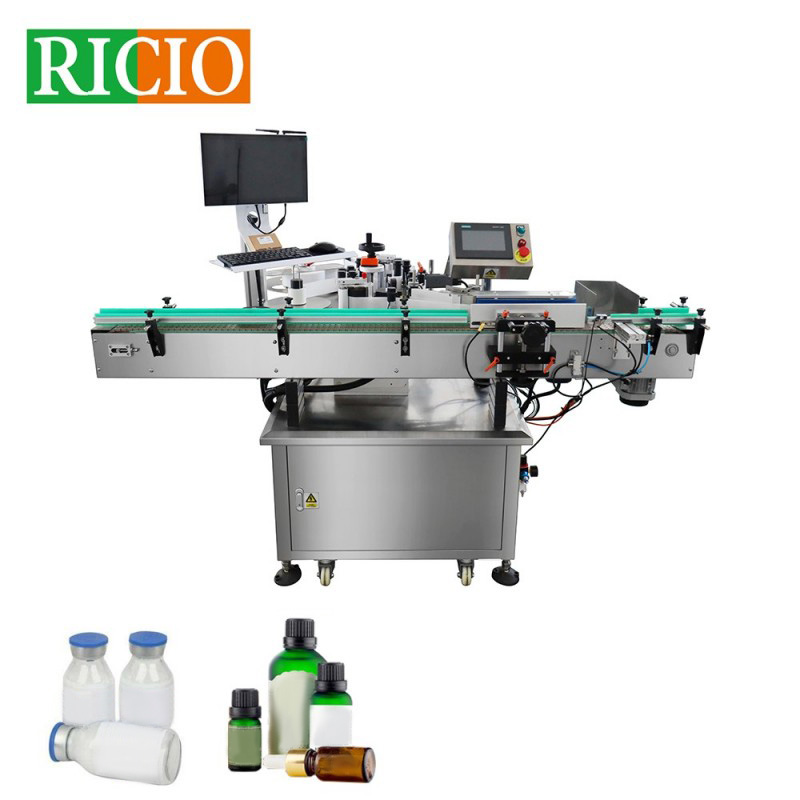
Automatic High Speed Vertical Round Bottle Labeling Machine
-
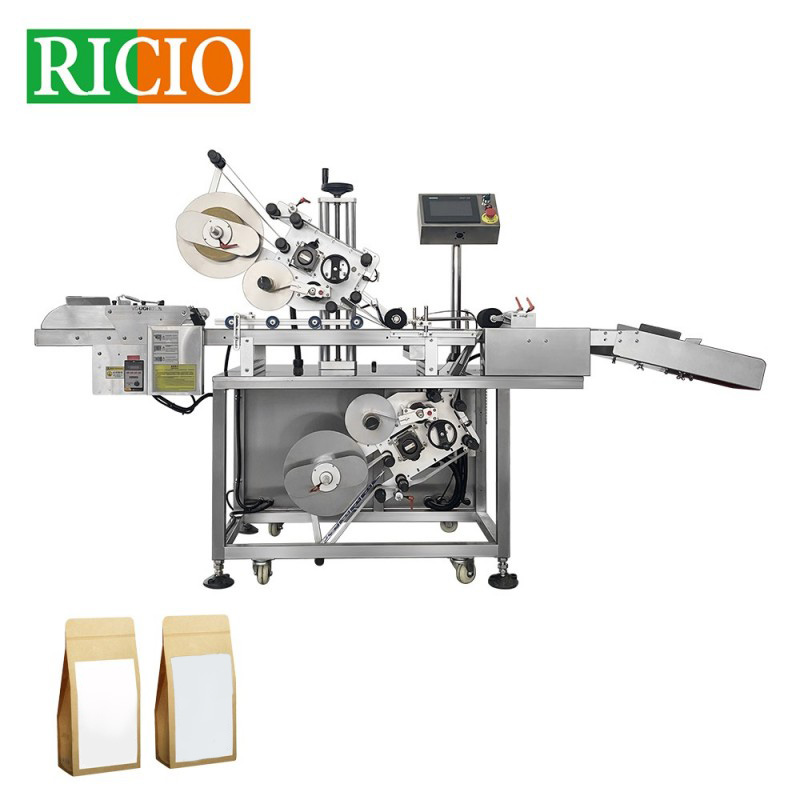
Automatic Paging Top and Bottom Pouch Labeling Machine
-
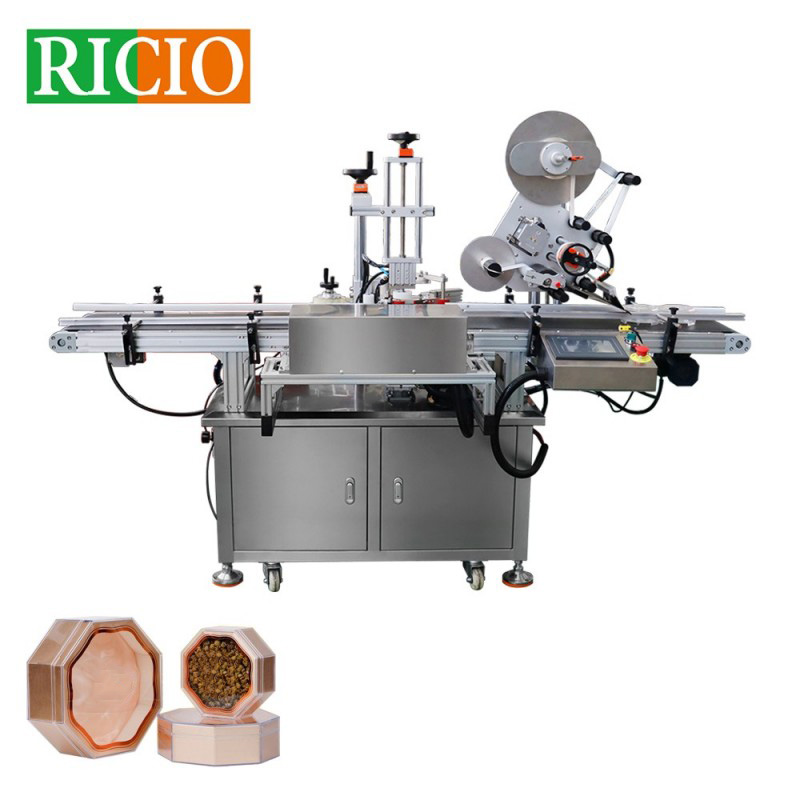
Automatic Tape Sealing and Labeling Machine
-
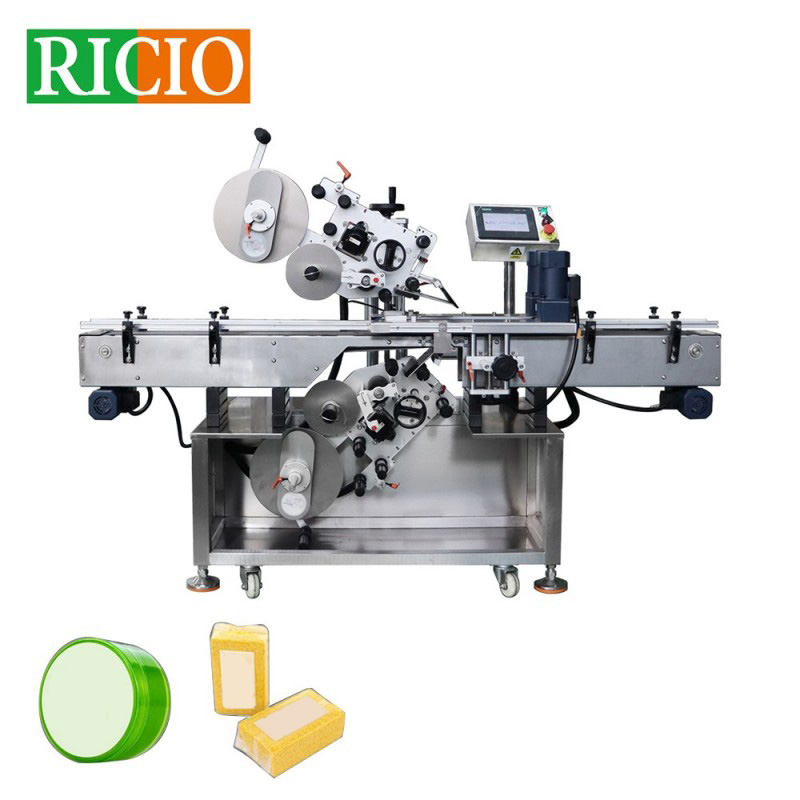
Automatic Top and Bottom Labeling Machine
-
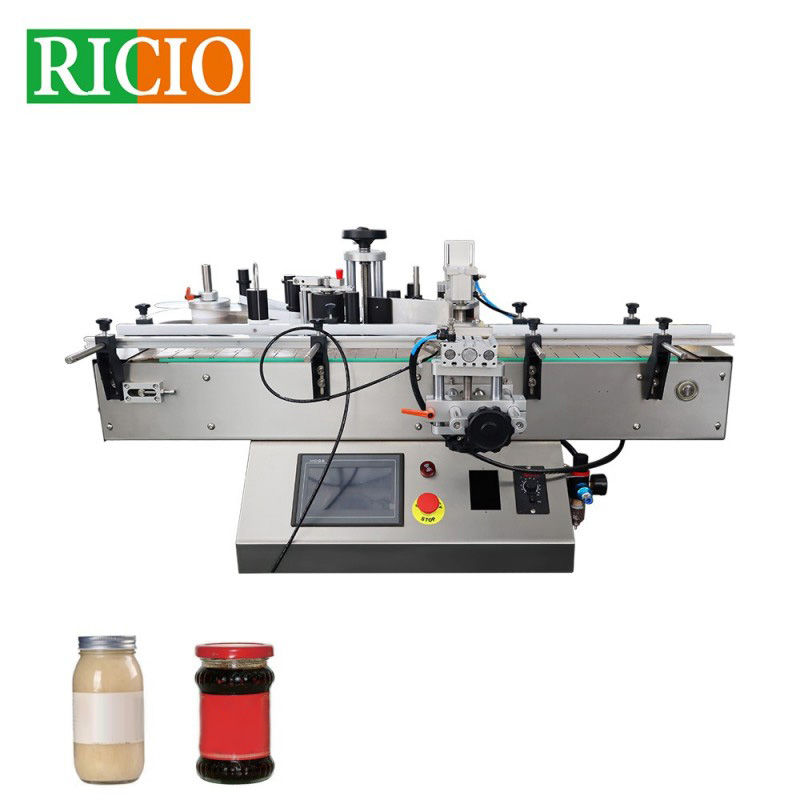
Automatic Round Bottle Positioning Tabletop Labeling Machine
related News
 +86 13681850339
 sales@raxpack.com
 Building 6, No. 477 Tiefeng Road, Baoshan District, Shanghai, China
- Tabletop Labeling Machine
- Round Bottle Labeling Machine
- Automatic Tube Labeling Machine
- Pouch Labeling Machine
- Rotary Labeling Machine
- Syringe Labeling Machine
- Top Labeling Machine
- Single Side Sticker Labeling Machine
- Double Side Labeling Machine
- Bucket Labeling Machine
- Bottom Labeling Machine
- Corner Label Applicator
- Waist Sealing Labeling Machine
- Square Bottle Labeling Machine
