 English
 русский
 Español
 عربى
عربى


Guide to Automatic Box Labeling Machines: Types, Selection, Speed & ROI
2026-10-05
Content
- 1 What Is an Automatic Box Labeling Machine – And Why You Need One
- 2 Types of Automatic Box Labeling Machines
- 3 How to Choose the Right Automatic Box Labeling Machine – 5 Critical Factors
- 4 Key Performance Metrics: What the Numbers Really Mean
- 5 Industry‑Specific Applications of Automatic Box Labeling Machines
- 6 Frequently Asked Questions About Automatic Box Labeling Machines
- 6.1 1. What is the difference between a box labeling machine and a bottle labeling machine?
- 6.2 2. Can an automatic box labeling machine handle different box sizes without changeover?
- 6.3 3. How much space does an automatic box labeling machine require?
- 6.4 4. What is the typical payback period for an automatic box labeling machine?
- 6.5 5. How do I know if I need a double‑side or a top‑only labeling machine?
- 6.6 6. Can I integrate a barcode scanner or vision system with the labeling machine?
What Is an Automatic Box Labeling Machine – And Why You Need One
An automatic box labeling machine is a piece of packaging equipment designed to apply pressure‑sensitive labels onto corrugated cartons, cardboard boxes, and similar containers without manual intervention. It eliminates the inconsistency and labor cost of hand labeling, delivering throughputs of 50–120 labels per minute depending on the machine type and label size.
If your operation handles hundreds or thousands of boxes daily—whether in a food plant, a pharmaceutical warehouse, or an e‑commerce fulfillment center—an automatic labeling machine directly reduces downtime, prevents mislabels, and improves traceability. According to packaging industry surveys, companies that switch from manual to automatic box labeling see an average 30–40% reduction in labeling‑related errors and a 20–35% increase in line efficiency within the first three months.
The core conclusion: investing in the right automatic box labeling machine pays for itself in under 12 months for most mid‑volume lines. Below we break down exactly what you need to know.
Types of Automatic Box Labeling Machines
Box labeling machines vary by the position of the label and the movement of the product. Choosing the wrong type leads to frequent jams or poor label placement. The table below summarizes the main categories and their typical applications.
| Machine Type | Label Placement | Ideal For | Speed Range |
|---|---|---|---|
| Double‑Side (front/back) Labeling | Two opposite sides simultaneously | Boxes that need barcode & text on both sides (e.g., shipping cartons) | 60–120 labels/min |
| Corner Wrap Applicator | Wraps label around two adjacent sides | Retail cartons requiring 90° corner labels | 40–80 labels/min |
| Top / Top‑Side Labeling | Top face or top + one side | Warehouse shipping labels, food case coding | 50–100 labels/min |
| Bottom Labeling | Bottom surface of box | Cosmetic or pharmaceutical boxes with hidden labels | 30–70 labels/min |
| Paging / Flat Surface Labeling | Top face of flat boxes (e.g., folded cartons) | Printing industry, small carton labeling | 40–90 labels/min |
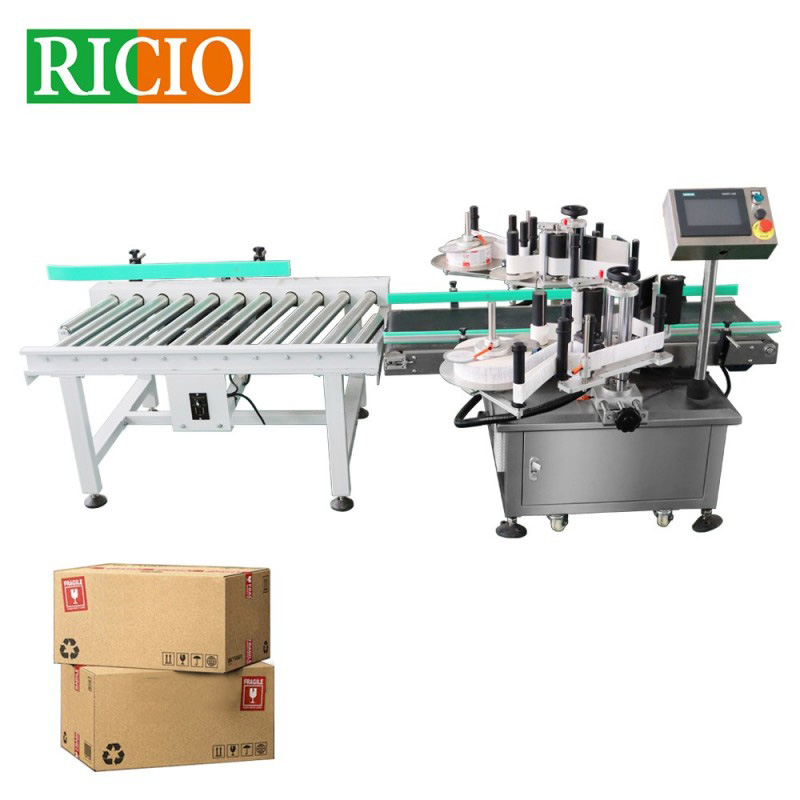
For example, a 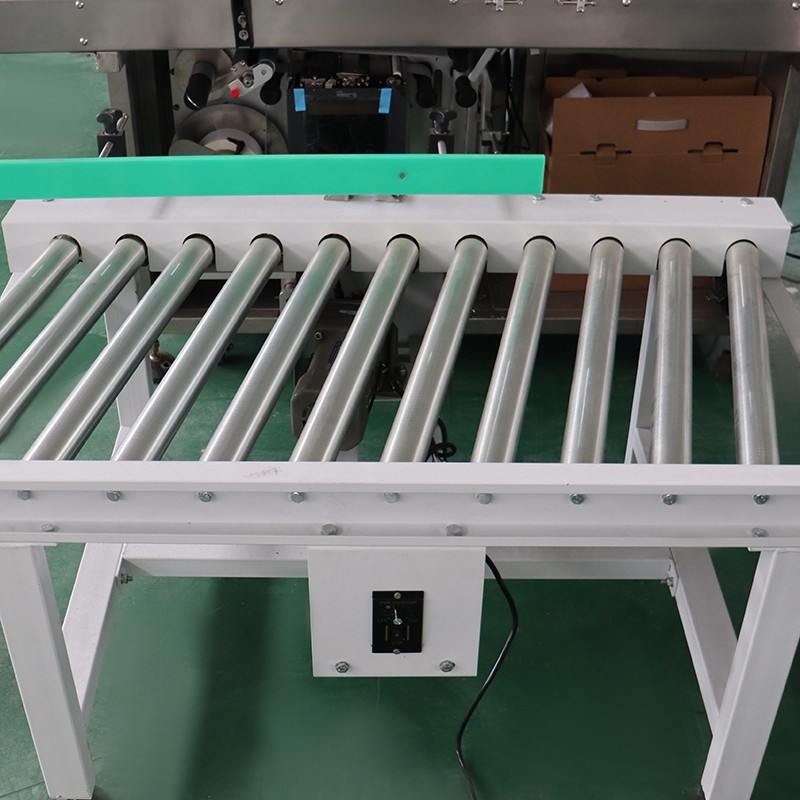 Automatic Double-Side Box Labeling Machine for Mixed CartonsThis dual-label-head machine applies front and back labels in one pass, cutting cycle time by half. Ideal for logistics centers handling varied carton sizes, but choose carefully based on your specific box dimensions and label materials.View Product → can apply two labels at once, cutting cycle time in half compared to sequential labeling. It is the most common choice for logistics centers that process mixed‑size cartons.
How to Choose the Right Automatic Box Labeling Machine – 5 Critical Factors
Selecting a machine without considering your specific box dimensions, label materials, and integration requirements often results in expensive retrofits. Here are the five factors that matter most.
- 1. Box Size Range – Measure the smallest and largest box your line will handle. Machines with servo‑driven side guides can adjust automatically (e.g., from 100 mm to 600 mm width). A fixed‑guide machine may require manual changeover time of 5–10 minutes per batch.
- 2. Label Placement Accuracy – For barcode readability, placement tolerances of ±0.5 mm are standard. If you label at high speeds, a machine with a camera registration system can maintain consistent positioning even when boxes shift on the conveyor.
- 3. Throughput Requirement – Calculate your peak hourly output. A double‑side machine running at 80 labels/min can handle ~4,800 boxes per hour. If your line exceeds 6,000 boxes/h, consider a rotary or multi‑head system.
- 4. Label Material and Size – Thin film labels (e.g., clear polypropylene) need a different applicator pad than paper labels; some machines come with a “tamp‑blow” head for gentle placement on fragile surfaces.
- 5. Integration with Printers or Vision Systems – If you need to print variable data (lot codes, expiration dates), choose a model with a built‑in print‑and‑apply module (like
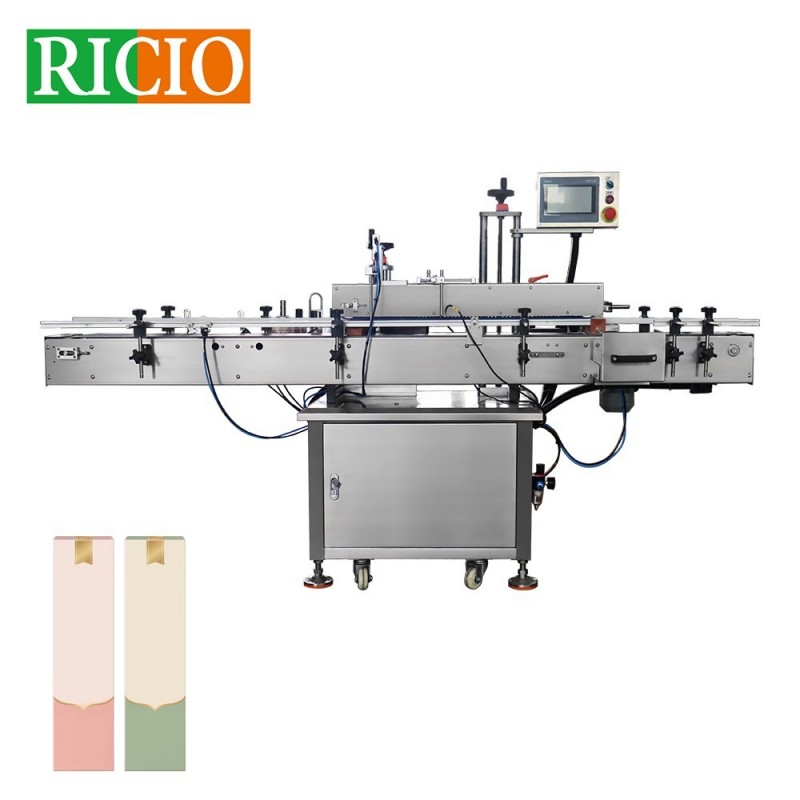 Single Corner Self-Adhesive Labeling Machine for Carton SealingDesigned for corner sealing and tamper-evident labels on cartons, this machine offers a compact solution for specific labeling needs. While double-side and top labelers cover most scenarios, this unit excels where corner placement is required.View Product → that integrate with thermal transfer printers).
In practice, most mid‑sized manufacturers benefit from a boxes labeling solution that combines double‑side and top labeling in one chassis. This covers about 85% of common box labeling scenarios.
Key Performance Metrics: What the Numbers Really Mean
Manufacturers often quote “up to 120 boxes per minute,” but real output depends on box length, label length, and operator skill. Below are real‑world benchmarks based on field data from installed box labeling lines.
| Box Length (mm) | Label Size (mm) | Sustained Output (labels/min) | Machine Type Used |
|---|---|---|---|
| 300 | 100 × 75 | 95 | Double‑side |
| 450 | 150 × 100 | 72 | Top‑side |
| 600 | 200 × 150 | 55 | Corner wrap |
| 200 | 80 × 50 | 110 | Paging flat surface |
A machine’s label placement accuracy is equally critical. Systems with servo‑driven applicators maintain ±0.3 mm repeatability, while pneumatic models typically achieve ±1.0 mm. For barcode quality (ISO 15416 grade B or better), ±0.5 mm is the recommended maximum deviation.
When evaluating suppliers, ask for certified throughput test reports using your actual box dimensions. Many reputable manufacturers (like RICIO) offer free sample runs before purchase.
Industry‑Specific Applications of Automatic Box Labeling Machines
Different industries impose unique requirements on a box labeling system. Here is how the machine adapts to three key verticals.
E‑Commerce & Logistics Warehousing
The need is for high‑speed top labeling with variable‑size cartons. A logistics labeling solution typically includes an automated conveyor with side‑centering and a tamp‑blow applicator that applies shipping labels on the top face. Throughput of 80–100 cartons per minute is common.
Food & Beverage Case Packing
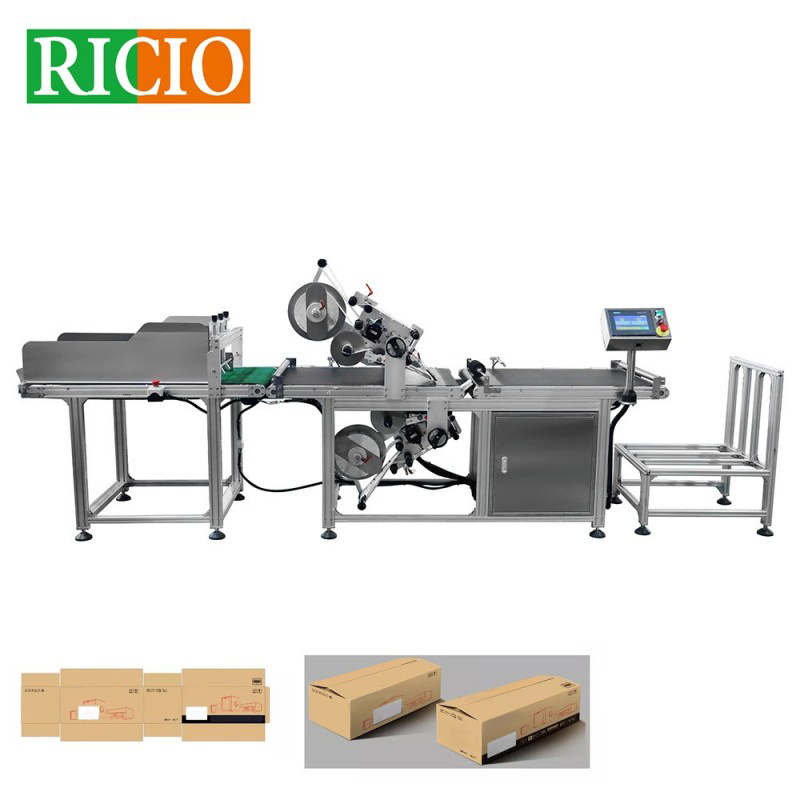
In food plants, boxes often carry both a front brand label and a side ingredient label. Double‑side labeling machines with stainless steel construction (wash‑down resistant) are preferred. The machine must also handle uneven cardboard surfaces – an 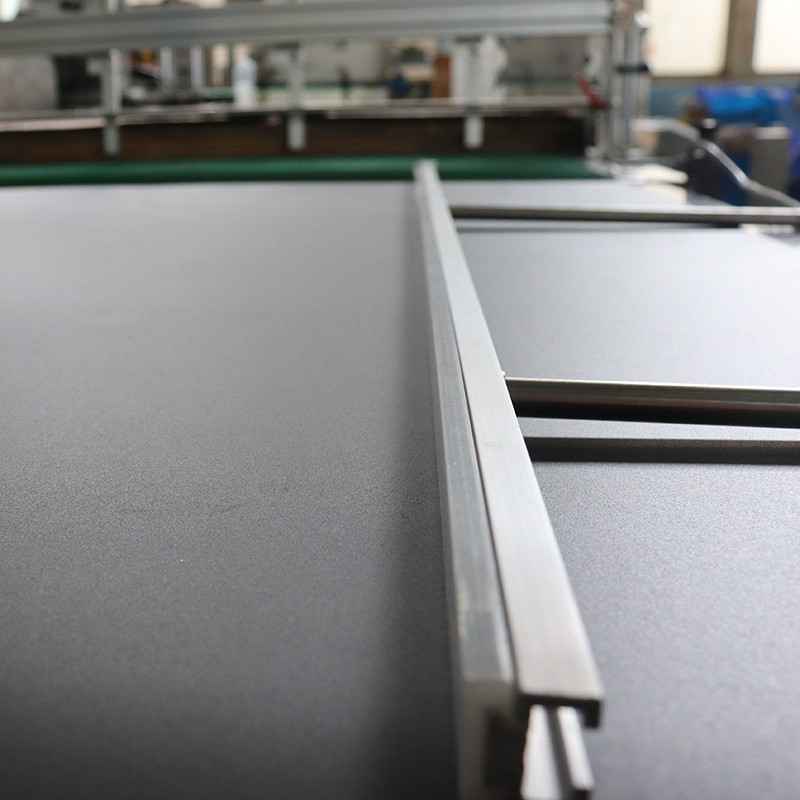 Automatic Paging Box Labeling Machine for Flat Pre-Creased CartonsSeparates stacked carton blanks and applies labels gently to top or bottom surfaces. Perfect for high-gloss small boxes where scratch prevention and ±0.3 mm accuracy are critical, as in pharmaceutical batch number labeling.View Product → works well for pre‑creased cartons that are fed flat.
Pharmaceutical & Cosmetic Cartons
Smaller boxes with high‑gloss finishes require gentle label application to avoid scratching. Bottom labeling or corner‑wrap machines with soft‑touch pads are used. Accuracy is critical because a misplaced batch number can cause product recall events – typical placement tolerance in pharma is ±0.3 mm.
Frequently Asked Questions About Automatic Box Labeling Machines
1. What is the difference between a box labeling machine and a bottle labeling machine?
Box labeling machines are designed for rectangular, flat‑surfaced cartons. They use conveyors with side guides and label applicators that handle larger, often thicker labels. Bottle labeling machines, by contrast, have rotating rollers or star wheels to handle cylindrical containers. A dedicated box labeling machine will outperform a universal machine on carton applications.
2. Can an automatic box labeling machine handle different box sizes without changeover?
Yes, many modern machines feature servo‑driven side belts and adjustable height tables that automatically adapt to new box dimensions within a set range (e.g., 150–600 mm width). This is called “automatic size change” and is a key feature for lines with frequent SKU changes. Manual changeover takes 3–8 minutes.
3. How much space does an automatic box labeling machine require?
A typical stand‑alone unit occupies about 2 m × 1.5 m (including conveyor). Inline models integrated into an existing line take less floor space. Always leave 1 m clearance on each side for maintenance access.
4. What is the typical payback period for an automatic box labeling machine?
Based on case studies from packaging lines, most companies see payback within 8–14 months. The savings come from eliminating one or two full‑time labelers, reducing label waste (by as much as 15% compared to manual application), and avoiding shipment delays caused by unreadable labels.
5. How do I know if I need a double‑side or a top‑only labeling machine?
If your box requires a label on the top and a separate label on the side (e.g., shipping and return labels), a top‑only machine plus a side applicator is one option. But if you need labels on two opposite sides (front and back), a double‑side machine is faster because it applies both at once. If you only need one label on the top, a top‑only machine is the most cost‑effective choice.
6. Can I integrate a barcode scanner or vision system with the labeling machine?
Absolutely. Most automatic box labelers support integration with fixed‑mount barcode readers, camera‑based verification systems, and reject mechanisms. The machine’s PLC (programmable logic controller) can be configured to track label‑to‑product alignment and trigger a reject gate if the label is missing or skewed by more than the tolerance threshold.
related products
related News
 +86 13681850339
 sales@raxpack.com
 Building 6, No. 477 Tiefeng Road, Baoshan District, Shanghai, China
- Tabletop Labeling Machine
- Round Bottle Labeling Machine
- Automatic Tube Labeling Machine
- Pouch Labeling Machine
- Rotary Labeling Machine
- Syringe Labeling Machine
- Top Labeling Machine
- Single Side Sticker Labeling Machine
- Double Side Labeling Machine
- Bucket Labeling Machine
- Bottom Labeling Machine
- Corner Label Applicator
- Waist Sealing Labeling Machine
- Square Bottle Labeling Machine
