 English
 русский
 Español
 عربى
عربى


Precision Coding on Bottle Labels: Solutions for Compliance, Traceability & Production
2026-10-12
Content
- 1 Why Coding on Bottle Labels Demands Precision Machinery
- 2 The Three Real‑World Challenges of Bottle‑Label Coding
- 3 How a Precision Labeling Machine Solves Coding Reliability
- 4 Machine Options That Merge Labeling and Coding
- 5 Matching Machine to Bottle Shape for Optimal Coding
- 6 Frequently Asked Questions About Coding on Bottle Labels
- 7 From Coding on Bottle Labels to Full Production Integration
Why Coding on Bottle Labels Demands Precision Machinery
Coding directly onto bottle labels – not the bottle itself – has become the preferred method for beverage, pharmaceutical, and cosmetic manufacturers who need high-contrast, scannable date codes, lot numbers, and barcodes. Unlike direct‑to‑container marking, label‑based coding allows for consistent print quality across glass, PET, and aluminum, and it simplifies packaging line changeovers. However, achieving accurate, high‑speed coding on labels requires a labeling system that positions each label with micron‑level precision before the coder fires. This is where the integration of a reliable labeling machine and coding technology makes or breaks productivity.
The Three Real‑World Challenges of Bottle‑Label Coding
In a production environment running at 150–300 bottles per minute, three pain points recur across industries:
- Label Wrinkling and Misplacement – A label applied even 1 mm off‑center can cause the coder to print over the bottle seam or edge, making the code unreadable.
- Coder Timing vs. Label Position – The coder must fire at the exact millisecond the label reaches the print window. Mechanical lag in the labeling station forces constant recalibration.
- Material Variability – Clear, glossy, or textured labels affect ink adhesion and laser absorption. Without a stable label‑handling foundation, coding failures rise above 2%.
A 2026 survey from Packaging Automation Forum noted that 68% of line downtime attributed to “code quality issues” traced back to label application instability. The root cause is rarely the coder itself – it is the labeling machine that feeds and fixes the label in place.
How a Precision Labeling Machine Solves Coding Reliability
The most cost‑effective upgrade for any coding line is a labeling machine that holds label placement tolerance within ±0.5 mm. Manufacturers like RICIO design their equipment with servo‑driven label feeders and adjustable label‑head angles, ensuring each label – whether wrap‑around round bottle or spot‑label on a square bottle – lands exactly where the coder expects it. This mechanical precision directly translates into:
- Coder first‑pass yield rates topping 99.5%
- Reduction of label waste by up to 40% (fewer “code‑reject” bottles)
- Faster changeovers between SKUs – less than 15 minutes without tools
When the labeling machine and coder share a common conveyor control (via encoder or EtherCAT), timing synchronization becomes automatic. This eliminates the need for operator‑driven delay adjustments that cause human error. Industry data from 2025–2026 shows that lines retrofitted with a dedicated labeling module before the coder see a 73% drop in code‑related rejects (source: Food & Beverage Packaging Tech Briefs, Q1 2026).
Machine Options That Merge Labeling and Coding
For lines that need both label application and code printing in a single footprint, the 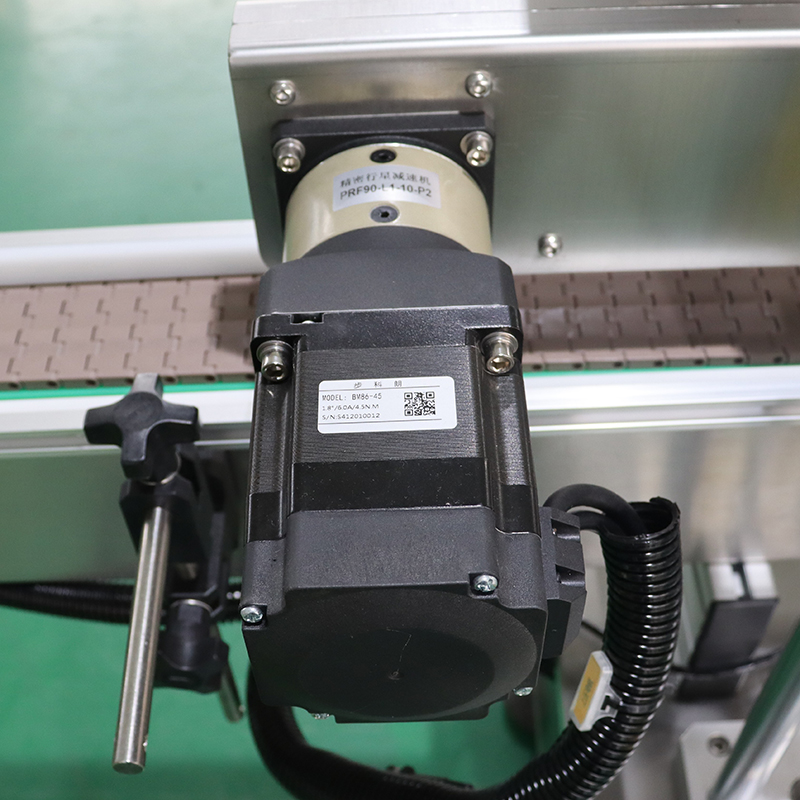 Double Side Labeling Machine with Integrated Printer for Flat ContainersCombines front-and-back labeling and variable printing in one unit, reducing capital investment by roughly 30% and eliminating a separate coding station for lot numbers and barcodes.View Product → is a proven solution. It applies front‑and‑back labels on flat or oval bottles and prints variable data (lot, expiration, barcode) onto the label surface in real time. This eliminates a separate coding station and cuts capital investment by roughly 30%. Another common setup pairs a high‑speed
 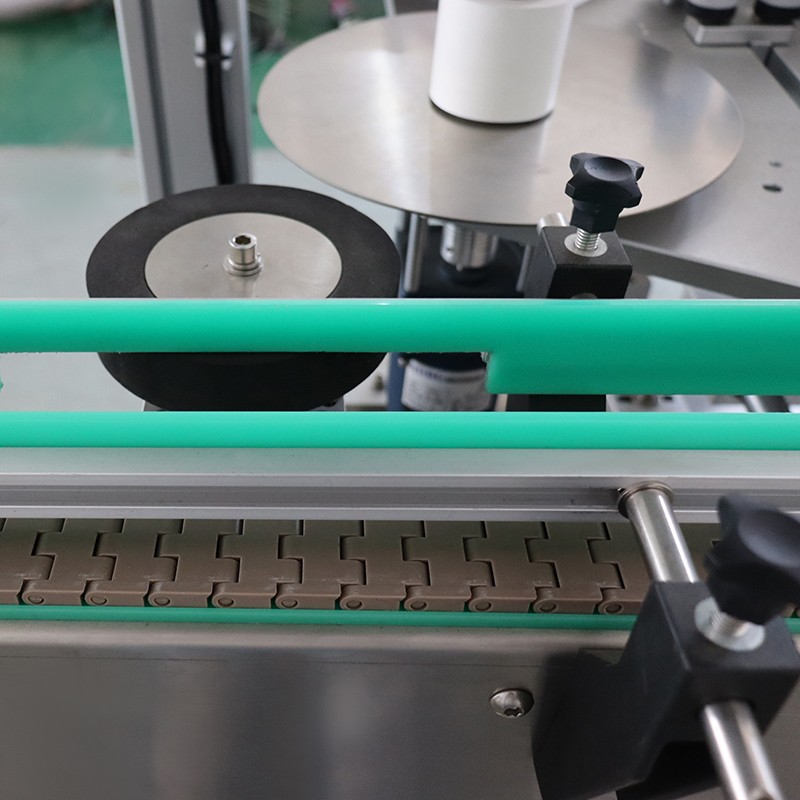 High Speed Automatic Round Bottle Labeling Machine for Small ContainersDesigned for precise, high-output labeling of mini cylindrical bottles, often used with a downstream CIJ or laser coder to achieve synchronized barcode printing and 99.8% readability.View Product → with a downstream CIJ or laser coder – the labeling section handles precision placement while the coder fires in a synchronized window.
For pharmaceutical vials and ampoules, where space is tight and codes must be microscopic but scannable, automatic small bottle / vial labeling machines offer the sub‑millimeter repeatability that direct‑to‑glass coding cannot match. A 2026 case study from a European pharma repacker (reported in Pharmaceutical Packaging Monthly) showed that switching from direct laser ablation to label‑based coding improved barcode readability from 96.2% to 99.8% while reducing line cleaning downtime by 45 minutes per shift.
Matching Machine to Bottle Shape for Optimal Coding
Different bottle geometries impose distinct demands on the labeling system and, consequently, on coding consistency. The table below maps common bottle types to recommended labeling configurations and typical code parameters.
| Bottle Shape | Labeling Machine Type | Typical Code Positioning | Recommended Coder |
|---|---|---|---|
| Round Bottles (PET, glass) | Wrap‑around round bottle labeling machine | Center of label, 10 mm from bottom | Continuous Inkjet (CIJ) or Laser |
| Square / Rectangular Bottles | Double‑side labeling machine (front & back) | Top of each label, 5 mm from edge | Thermal Transfer Overprinter (TTO) or CIJ |
| Oval / Cosmetic Bottles | Single‑side labeling with contour head | Curved label center, aligned with bottle seam | Laser (CO₂ or UV) |
| Vials / Ampoules (small) | Horizontal or rotary vial labeling machine | Wraparound, centered at 60% height | High‑resolution laser (UV or fiber) |
The critical takeaway: choose the labeling machine first, then specify the coder. A machine that can handle the bottle’s specific geometry with adjustable pressure and precise sensor timing will give the coder the stable substrate it needs for clear, consistent codes.
Frequently Asked Questions About Coding on Bottle Labels
1. Can I add coding to existing label applicators?
Yes, most stand‑alone labeling machines can be retrofitted with an encoder‑driven coder mount. However, achieving consistent code position usually requires upgrading the label dispenser’s servo system for real‑time speed matching. Integrated units (like RICIO’s print‑and‑apply models) offer better results with less complexity.
2. What is the best coding technology for clear PE labels?
Clear labels on clear bottles are challenging. Laser coding ablates the surface layer, producing a visible mark, while CIJ inks require a white backing. Many beverage lines opt for laser because it eliminates ink drying issues. Always test on actual labels before committing.
3. How fast can a labeling machine feed labels for coding?
Modern high‑speed machines can apply up to 500 labels per minute while holding ±0.5 mm accuracy. The coder then needs to match that speed with enough dwell time. For lines above 300 bottles/min, a rotary labeling machine (with star wheels) provides the most stable label‑coder timing. RICIO’s rotary labeling machine handles this capably.
4. Do I need to change labels when switching from inkjet to laser?
Not necessarily, but label material compatibility is key. Laser works well on most paper, PP, and PE labels. Glossy, metallized, or UV‑coated labels may require a different laser wavelength or a pre‑treatment. Always request a free sample test from your label supplier or equipment vendor.
Still unsure about your specific bottle and label combination? The RICIO team offers free sample runs at their Shanghai facility, where they test both labeling precision and coding readability using customer materials.
From Coding on Bottle Labels to Full Production Integration
Successful coding on bottle labels is not an afterthought – it is a design parameter that should influence your labeling machine selection from day one. Manufacturers that prioritize label placement accuracy consistently achieve higher first‑pass code yields, lower operating costs, and easier regulatory compliance. Whether you are running 50 or 500 bottles per minute, pairing a robust labeling system (like RICIO’s complete range of labeling machines) with the right coder technology transforms a potential bottleneck into a seamless, high‑efficiency operation. For a line audit or a free sample test of your labels, contact the RICIO engineering team today.
related products
-
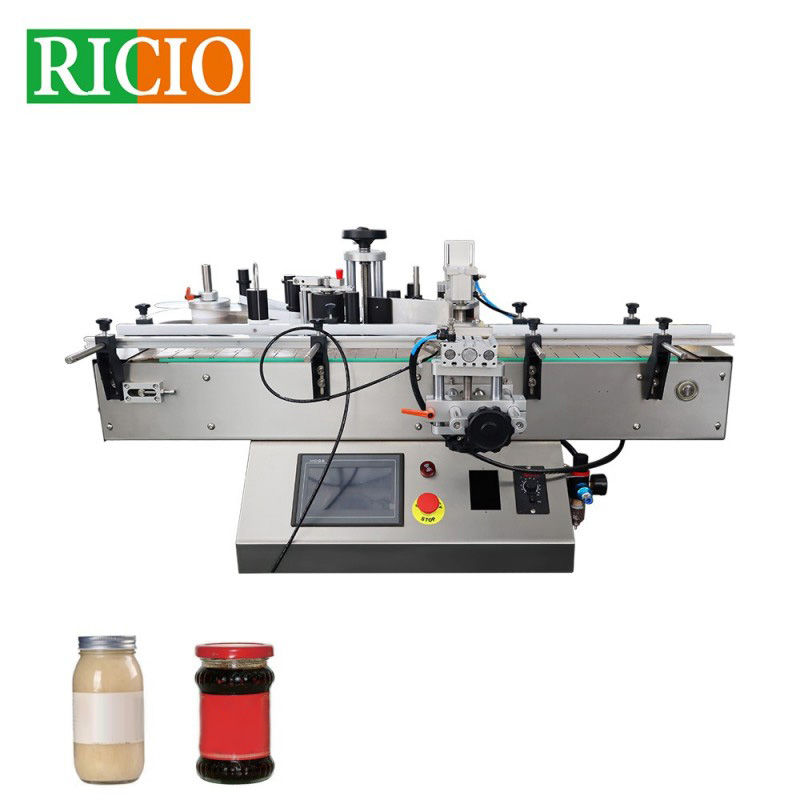
Automatic Round Bottle Positioning Tabletop Labeling Machine
-
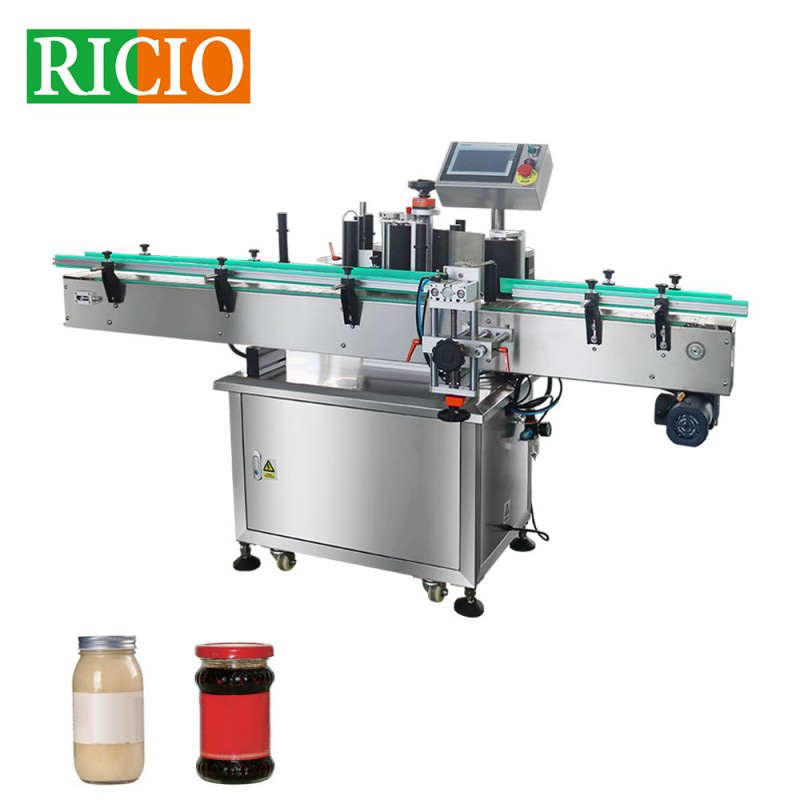
Automatic Round Bottle Positioning Labeling Machine
-
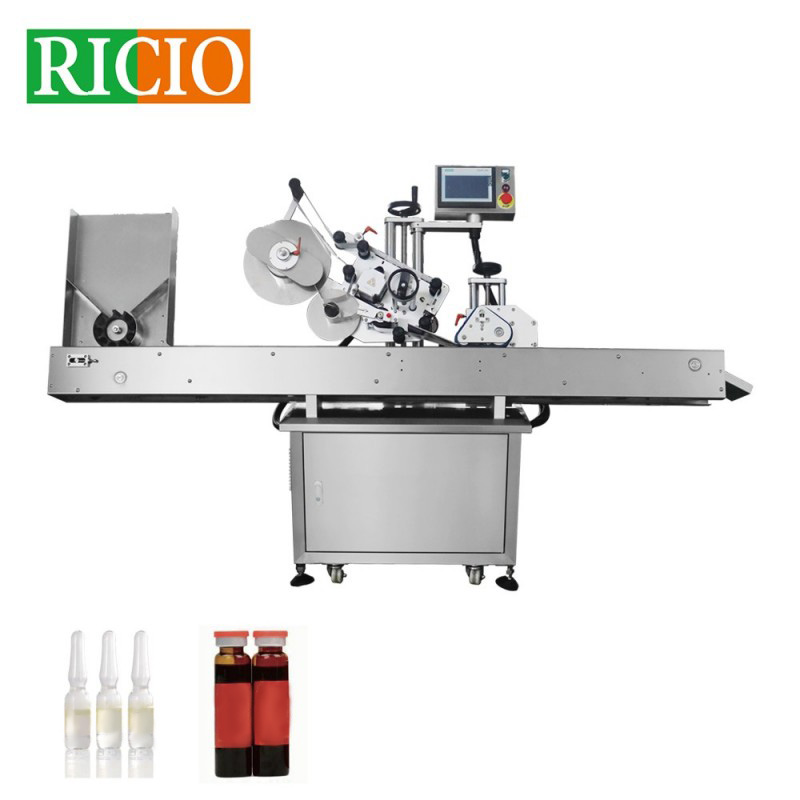
Horizontal Automatic Small Bottle Labeling Machine
-
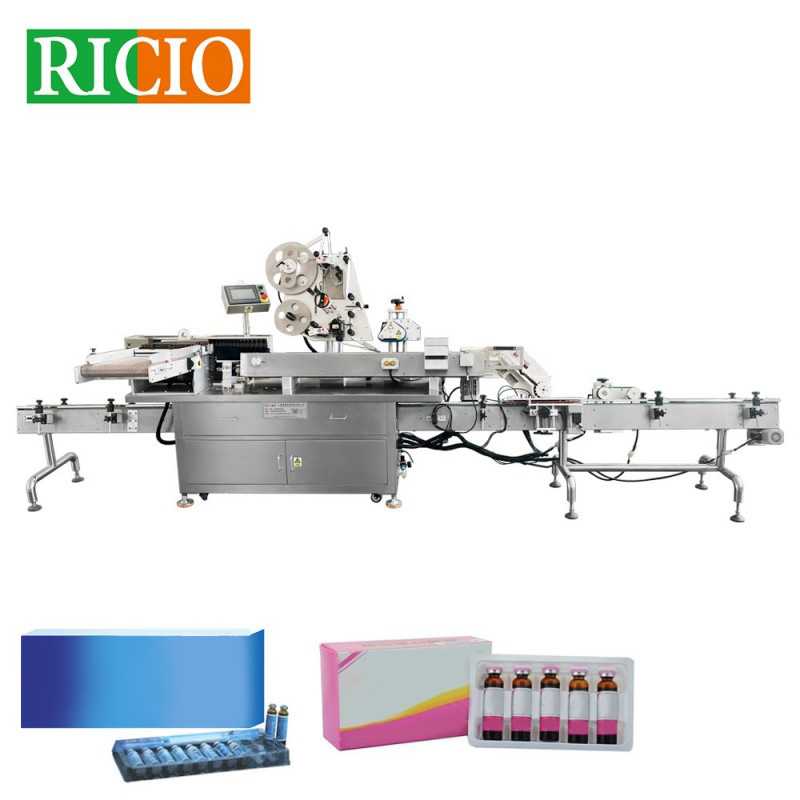
Horizontal Automatic Vial Labeling Machine for Tray
-
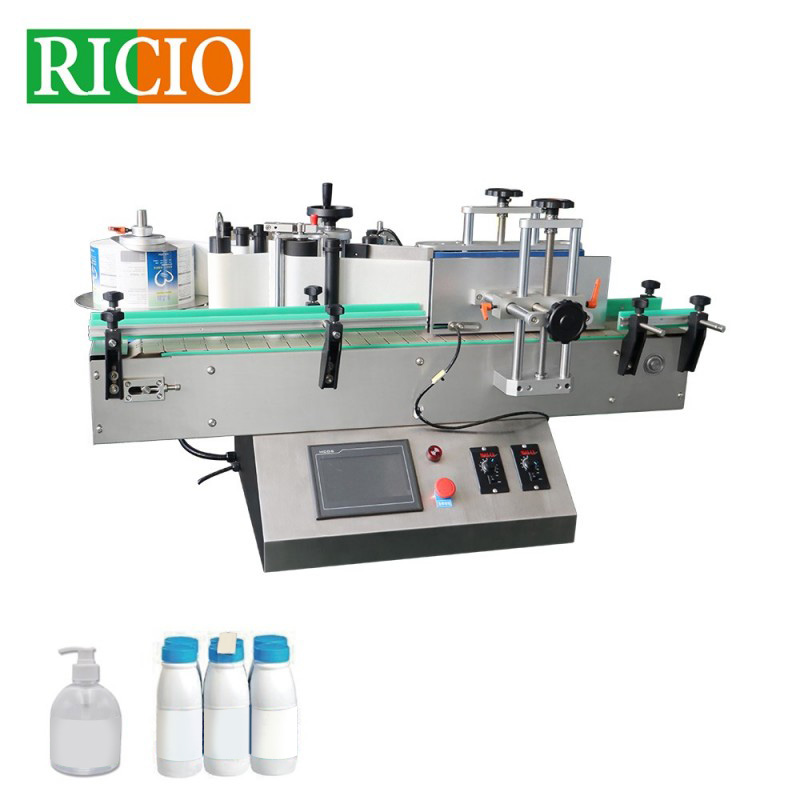
Automatic Round Bottle Tabletop Labeling Machine
-
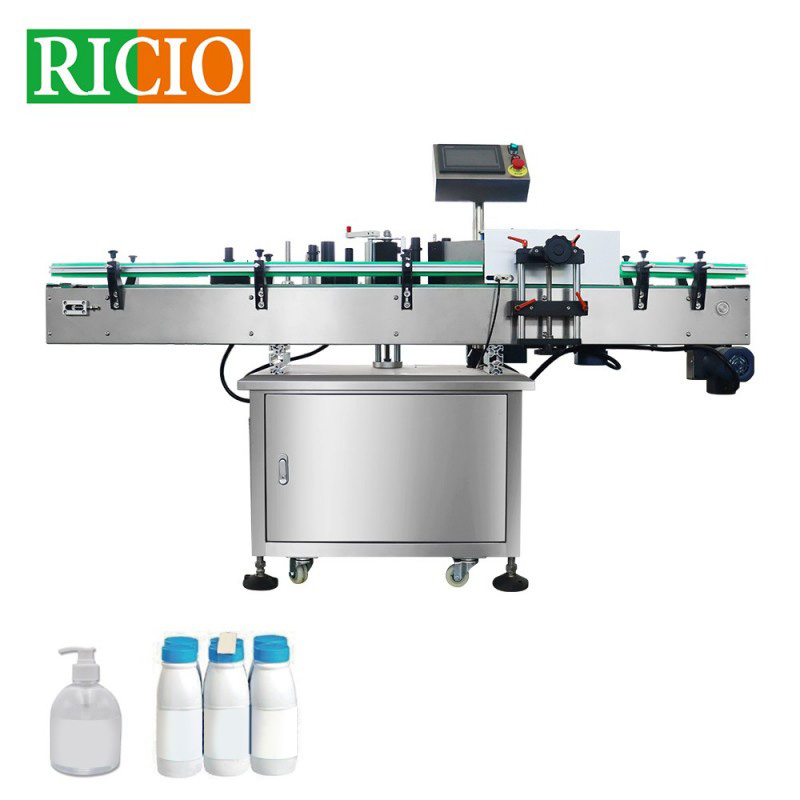
Automatic Round Bottle Labeling Machine
related News
 +86 13681850339
 sales@raxpack.com
 Building 6, No. 477 Tiefeng Road, Baoshan District, Shanghai, China
- Tabletop Labeling Machine
- Round Bottle Labeling Machine
- Automatic Tube Labeling Machine
- Pouch Labeling Machine
- Rotary Labeling Machine
- Syringe Labeling Machine
- Top Labeling Machine
- Single Side Sticker Labeling Machine
- Double Side Labeling Machine
- Bucket Labeling Machine
- Bottom Labeling Machine
- Corner Label Applicator
- Waist Sealing Labeling Machine
- Square Bottle Labeling Machine
