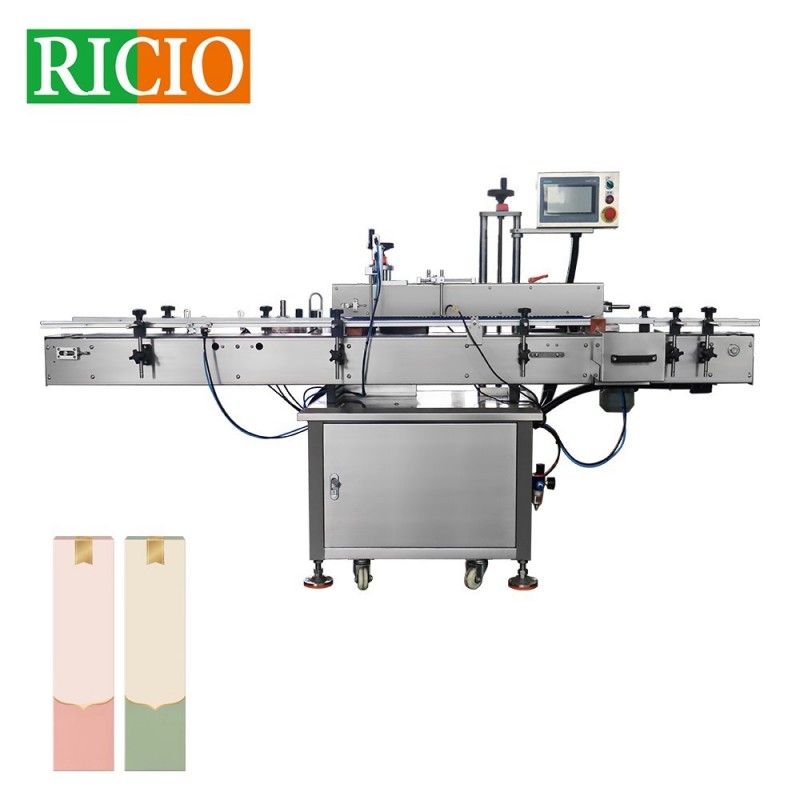
Our Labeling machine & services are so widely used in the industries such as: food & beverage, pharmaceutical/medicine (ampoule, penicillin bottle, oral liquid), daily chemical (detergent, pesticide, glue), cosmetics(lotion, lipstick, tubes), electronics, logistics & transportation, and many other industries to support high-speed and high-precision labeling needs.
RICIO
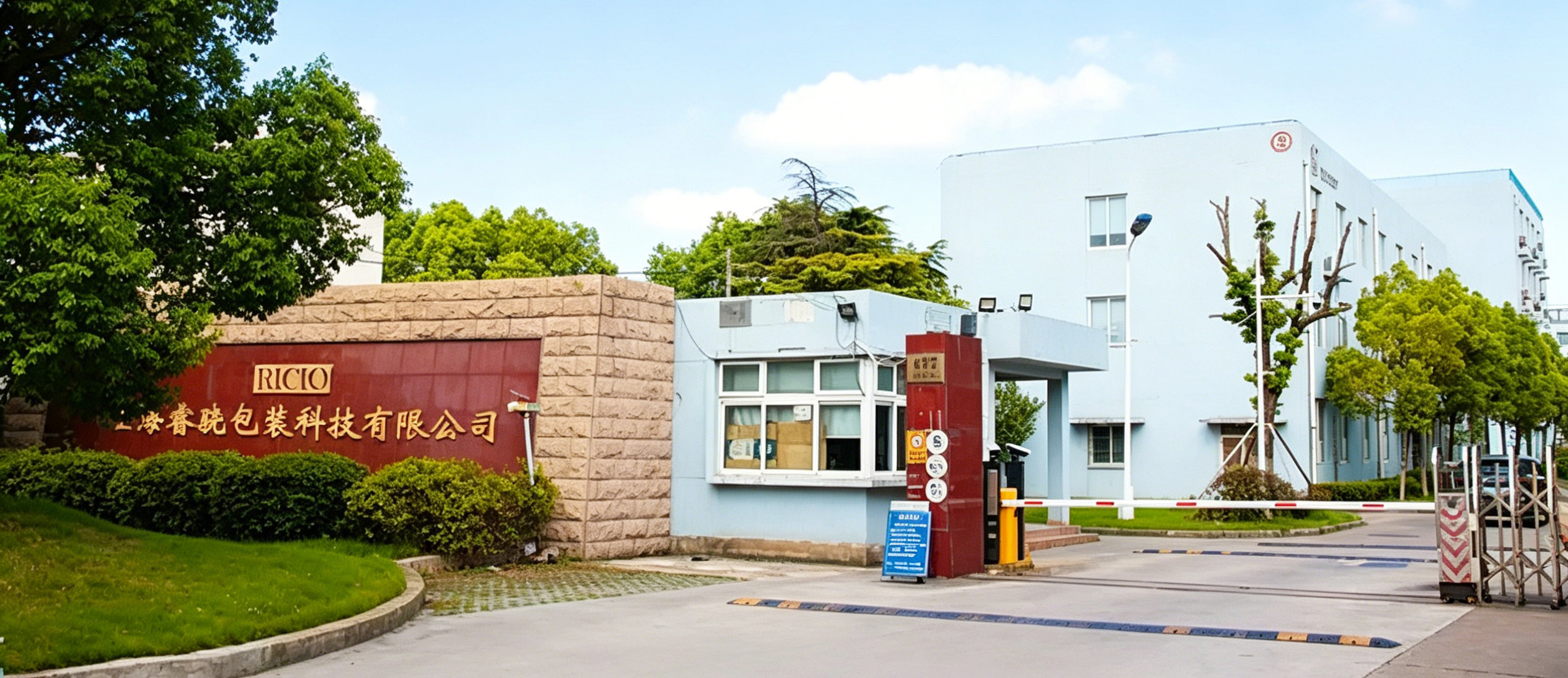
Shanghai RICIO Packaging Technology Co., Ltd.
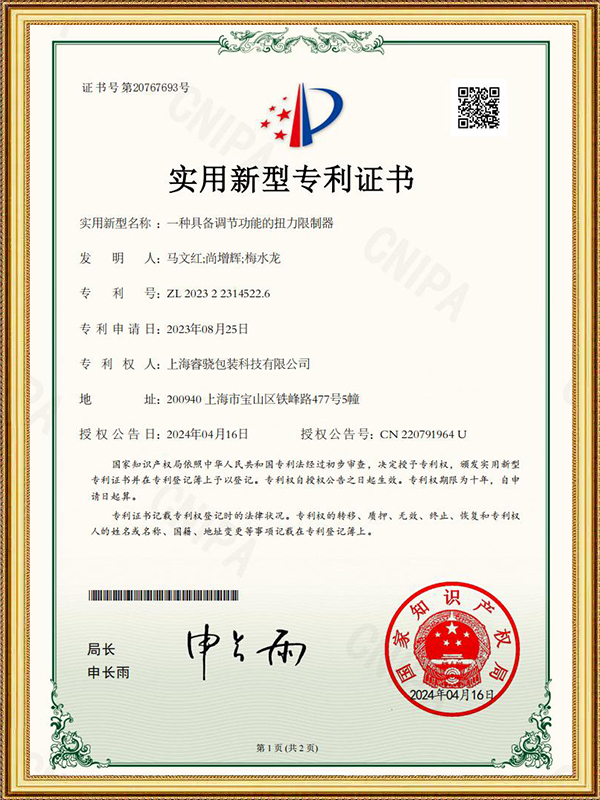
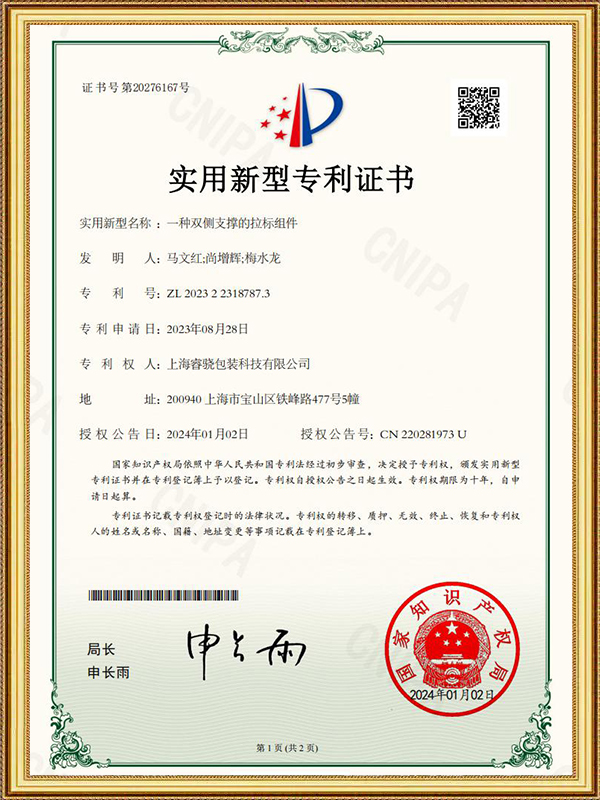
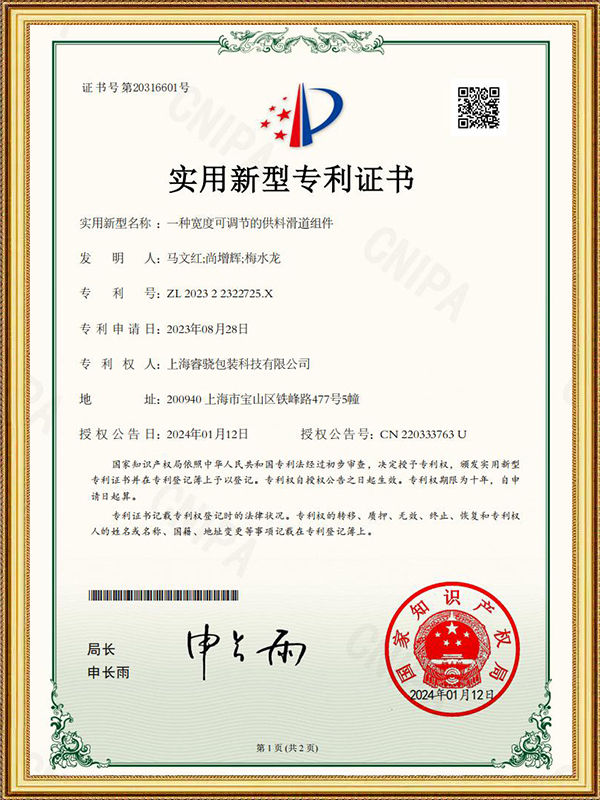
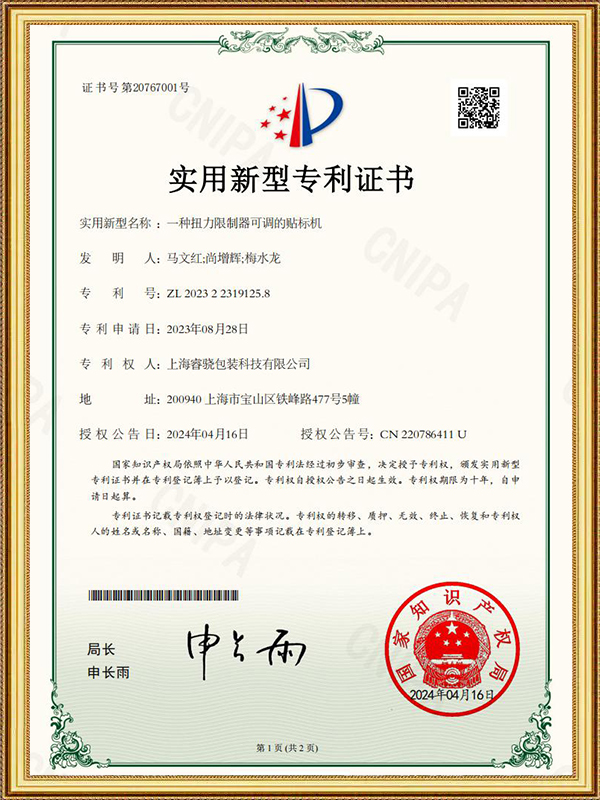
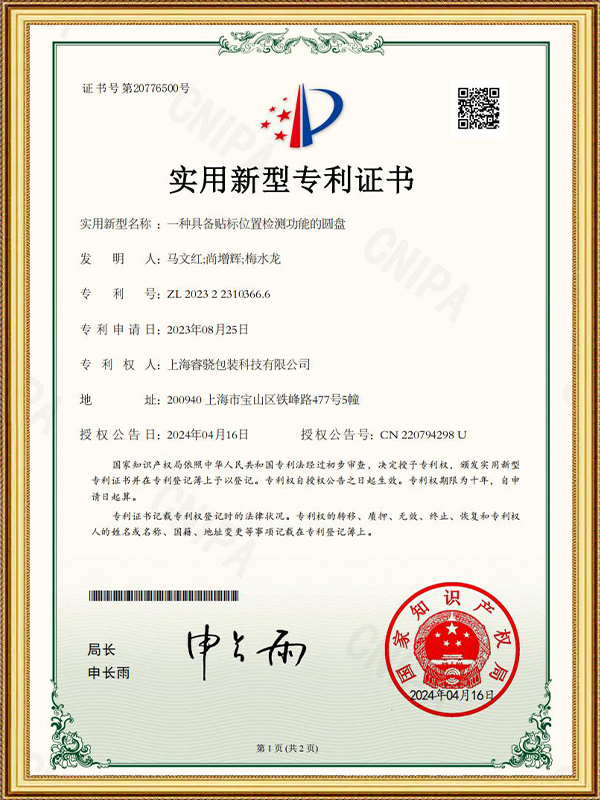
As China OEM Product Labeling Machine Supplier and ODM Industrial Labeler Factory, RICIO engages in the R&D and manufacturing of labeling machinery and is headquartered in Shanghai, China. RICIO's manufacturing foundation stems from the strategic acquisition of Shanghai Zhenbao Machinery Parts Factory, a well-established local machining enterprise. This integration has transformed us from a simple equipment assembler into a source manufacturer with in-house precision machining capabilities.
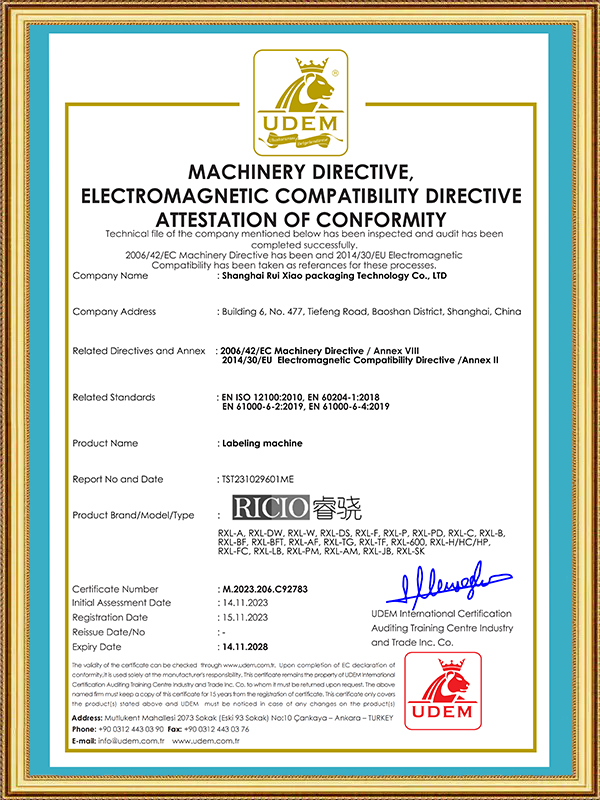
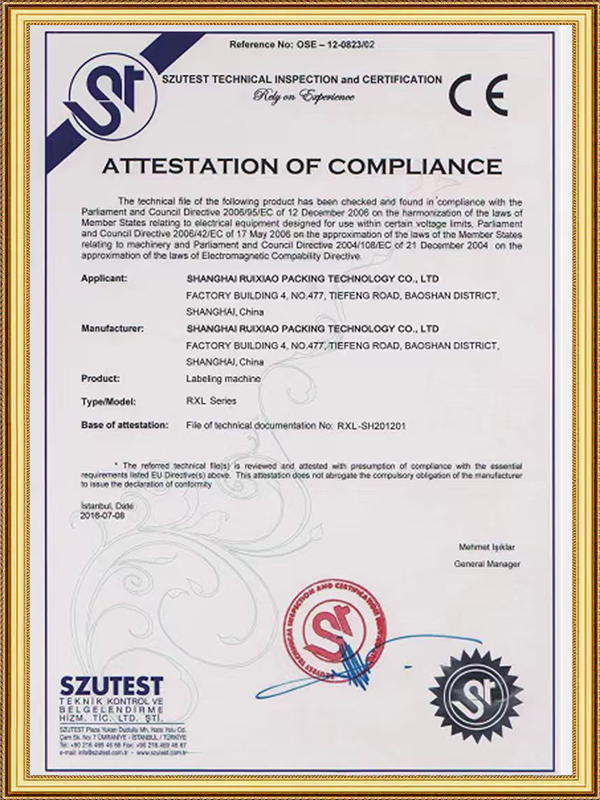
We are equipped with multiple CNC machining centers and an experienced technical team. From core component machining to complete machine assembly and commissioning, the entire process strictly adheres to the ISO 9001 international quality system, ensuring that every machine we deliver is built with a foundation of stable and reliable operation.
A label application machine earns its place on your floor the moment your volume passes roughly 20 to 30 containers per minute, or the moment crooked, wrinkled labels start generating rejected batche...
A beverage co-packer runs three shifts a day, changes lot codes four times per shift, and handles eight different SKUs on the same line each week. Pre-printed labels collapse under that schedule, and...
If you are shortlisting a bottle labeling machine right now, the fastest way to cut through supplier brochures is to answer three questions first: what shape are your bottles, how many bottles per mi...
The global labeling machinery sector enters 2026 undergoing profound structural upgrades, with three core forces reshaping market demand, equipment R&D and production standards: intelligent automa...
Modern production lines rely on a broad mix of equipment to get products labeled correctly, quickly, and consistently, and this is where Labeling Solutions come into play as a category rather than a single machine. Under this umbrella sit several distinct tools: a label manufacturing machine that produces the label stock itself, a label applicator machine that places labels onto finished goods, a general-purpose product labeling machine used across packaging lines, a heavier-duty industrial labeler built for continuous high-volume runs, and a specialized security label applicator designed for tamper-evidence and traceability. Together these machines cover almost every labeling need a manufacturer will run into, from routine barcode placement to brand protection.
Matching the Applicator to the Production Line
Choosing the right label applicator machine starts with the shape of the product and the speed of the line, not the label itself. A round bottle needs a wrap-around head, a flat carton needs a top or side placement head, and an irregular part often needs a corner-wrap or tamp-blow unit. Line speed narrows the choice further, since a machine sized for a slow manual station will bottleneck a fast conveyor almost immediately.
A rough way to picture the spread across the market is by typical output range, which is why many buyers start comparing machines on speed before anything else:
These ranges are illustrative rather than fixed, since factors like label size, sensor accuracy, and product spacing all shift the real-world number. What stays constant is the general pattern: as line speed climbs, the gap between a basic labeler and a purpose-built industrial labeler becomes the difference between hitting a shift target and falling behind it.
Why Build Quality Shows Up in Everyday Uptime
A label manufacturing machine or applicator that skips labels, drifts out of alignment, or jams under a full shift usually traces the problem back to how it was built, not how it is being run. Frame rigidity, motor-to-drive tolerance, and the fit of core moving parts all determine whether a machine holds its calibration over months of continuous work.
At Shanghai RICIO Packaging Technology Co., Ltd, this is handled through multiple CNC machining centers paired with an experienced technical team, so that core components, complete machine assembly, and final commissioning are all carried out under the same process discipline, following the ISO 9001 quality system from start to finish. That end-to-end approach is what keeps a machine's output steady rather than gradually drifting after the first few weeks on the floor.
What tends to matter most over time
Advanced production processes and tighter supply chain management also feed into pricing, letting a manufacturer stay competitive on cost without loosening tolerances or pushing delivery dates back, which matters just as much to a buyer's schedule as the machine's spec sheet does.
Where Security Labeling Fits Into a Wider Labeling Setup
Standard labeling covers identification and barcoding, but a growing share of goods also need proof that the package has not been opened, swapped, or diverted before it reaches the end user. That is the job of a security label applicator: applying void labels, tamper-evident seals, or serialized tags that make interference visible or traceable after the fact.
The scale of the problem this solves is not small. According to a 2025 OECD-EUIPO joint study, global trade in counterfeit and pirated goods was estimated at roughly USD 467 billion in 2021, equal to about 2.3% of total global trade at the time [1]. Even a small share of that volume touching a manufacturer's own product line is enough to justify the added labeling step.
For manufacturers exporting across many markets, applying a security label consistently at the production stage is generally far cheaper than dealing with a counterfeit or diversion issue after goods have already shipped.
Supporting a Global Customer Base From One Production Base
A product labeling machine or Labeling Solutions package that works well on paper still has to hold up once it is shipped, installed, and running on the other side of the world, often supported remotely rather than in person. RICIO's products have been exported to over 40 countries and regions, including the United States, Germany, Japan, South Korea, Australia, Russia, India, Brazil, and South Africa.
A sample of regions and countries RICIO equipment has been exported to.
Region
Example Countries
North America
United States
Europe
Germany, Russia
Asia-Pacific
Japan, South Korea, Australia, India
South America
Brazil
Africa
South Africa
Long-term, stable relationships with overseas customers are part of how that reach was built, and a number of those customers have gone on to appoint RICIO as their official procurement agent in China, buying on their behalf rather than sourcing independently. It reflects the kind of ongoing relationship that a labeling equipment supplier needs, since machines of this kind are rarely a one-time purchase and usually mean years of parts, support, and repeat orders. Looking ahead, RICIO is looking forward to joining hands with more partners to advance the future of packaging automation together.
Frequently Asked Questions
What is the difference between a label applicator machine and a label manufacturing machine?
A label manufacturing machine produces the physical label material, printing and die-cutting it into rolls. A label applicator machine takes that finished label and applies it onto a product or package on the line. They sit at opposite ends of the same workflow.
Can one industrial labeler handle multiple product shapes?
Many industrial labelers accept interchangeable heads or adjustable guides, allowing one base machine to switch between round, flat, and irregular products with a changeover rather than a full replacement.
Is a security label applicator only needed for high-value goods?
No. While high-value or regulated goods are common users, any product exposed to diversion, resale fraud, or tampering during transit can benefit, since the cost of a tamper-evident label is small compared to the cost of an unresolved counterfeit or return dispute.
What should a buyer check before ordering a product labeling machine from overseas?
Whether the supplier can support the label size and material actually used on-site
How commissioning and remote support are handled after installation
Whether the manufacturer has export experience to the buyer's region
Lead time consistency against the stated delivery schedule

 English
 русский
 Español
 عربى
عربى

 +86 13681850339
  sales@raxpack.com
 Building 6, No. 477 Tiefeng Road, Baoshan District, Shanghai, China