 English
 русский
 Español
 عربى



Table Top Labeler Buying Guide: Speed, Accuracy, Fixtures, and Real ROI
2026-11-16
Content
- 1 What a Table Top Labeler Is, and What It Is Not
- 2 When a Benchtop Machine Beats a Full Inline System
- 3 Specifications That Decide Whether a Machine Fits Your Container
- 4 Placement Accuracy, Tolerance, and Where Drift Comes From
- 5 Setup, Changeover, and What a Real Shift Looks Like
- 6 Matching the Fixture to the Container
- 7 Cost, Payback, and the Running Costs Nobody Quotes
- 8 Buying Mistakes That Cost Real Money
- 9 How to Test a Machine Before You Pay the Balance
- 10 Frequently Asked Questions About Table Top Labelers
- 10.1 What is the difference between a table top labeler and a semiautomatic labelling machine?
- 10.2 How accurate is a benchtop label applicator?
- 10.3 Can a table top labeler apply transparent labels?
- 10.4 How many labels per hour can a benchtop machine realistically apply?
- 10.5 Does a table top labeler need compressed air?
- 10.6 Can one machine label several bottle diameters?
- 10.7 Which spare parts should be kept on the shelf?
- 10.8 How long does operator training take?
A table top labeler earns its bench space when your output is too high for hand labelling and too low, or too varied, for a conveyor line. As a working rule, if you apply between roughly 200 and 3,000 labels a day, change container sizes more than once a week, or need a placement tolerance of about plus or minus 1 mm without investing in a full inline system, a benchtop applicator is the quickest route to consistent labels. The problem is that "table top labeler" covers everything from a 6 kg desktop unit with a hand-loaded mandrel to a semiautomatic machine with a PLC, a positioning nest and a stepper-driven peel plate. Those two machines are not interchangeable, and the wrong one ends up covered in dust within a month.
This guide covers what a benchtop labeler actually does, where it stops being the right answer, which specifications decide whether a machine will fit your container, how placement tolerance drifts over a shift, what the real running costs look like, and how to test a machine on your own bottles before you pay the balance.
What a Table Top Labeler Is, and What It Is Not
A table top labeler is a bench-mounted, self-adhesive label applicator in which the container is presented by hand or by a simple locating fixture instead of by a synchronised conveyor. The operator loads a bottle into a V-block or a rotary nest, a photoelectric sensor reads the leading edge of the container or the gap between labels, and a stepper or servo drive pulls the label web past a peel plate at a set speed. The label is then pressed onto the surface by a wrap-around belt, a brush pair, or a wipe-down roller. Everything happens within about half a metre of web travel, which is exactly why the placement stays repeatable.
What it is not: a benchtop unit is not a print-and-apply system with real-time data, it does not reject a mislabelled container, and it does not synchronise with an upstream filler. If your process needs automatic inspection or traceability at line speed, a bench machine is the wrong tool, no matter how well it labels.
Configurations you will actually see on a bench
- Hand-fed round container unit: the operator drops a bottle into a V-block and a wrap belt spins the container against the label. Typical output sits between 15 and 25 containers per minute.
- Positioning bench unit: a motorised nest locates the bottle by its base or shoulder before the label is applied, which removes most of the variation between different operators.
- Flat surface unit: a pressure roller travels across a carton, card or pouch while the item sits in a shallow tray.
- Foot-switch semiautomatic unit: dispensing is triggered by the operator rather than by a container sensor, which suits fragile or irregular items that cannot survive a wrap belt.
- Bench unit with a coding head: a hot-stamp or inkjet unit prints the batch code onto the label web immediately before the peel plate.
The real advantage of a benchtop machine is mechanical rather than electronic. There is no conveyor to synchronise, no star wheel to change, and no line-speed matching to tune. The web path is short, so a change in tension reaches the peel plate in a fraction of a second, and a well-set machine holds its placement across a whole shift.
When a Benchtop Machine Beats a Full Inline System
The crossover point usually sits between 2,000 and 4,000 labels per day. Below that, an inline system spends most of its life being adjusted rather than running. Above it, a bench machine turns into a bottleneck and you start paying an operator to stand still while a 20 container per minute machine works through a batch. The table below shows how the options compare on the factors that actually change a production plan.
| Method | Realistic output | Changeover | Space needed | Fits best when |
|---|---|---|---|---|
| Hand labelling | 250 to 600 labels per hour | Immediate | One bench | Under 200 pieces a day, no capital budget |
| Table top labeler | 900 to 1,500 labels per hour | 10 to 20 minutes | 1 to 1.5 square metres of bench | 200 to 3,000 pieces a day, several container sizes |
| Semiautomatic inline | 1,500 to 3,000 labels per hour | 20 to 40 minutes | 3 to 5 square metres of floor | Steady daily volume, one container family |
| Full automatic rotary | 6,000 to 30,000 labels per hour | 30 to 90 minutes | 8 to 20 square metres of floor | High volume, few size changes, round containers |
Floor space is often the deciding factor that nobody budgets for. A benchtop machine needs a sturdy table and about one square metre of clear working area, which means it can be installed in a packing room that has no room for a conveyor. It also survives a relocation without a rigging crew, so a contract packer running seasonal work can move the machine to whichever line is busy this week.
Batch discipline matters just as much. A bench unit with a 15 minute changeover is a better fit for a facility running four short runs a day than an inline system that takes an hour to convert. The calculation is not about peak speed, it is about total time from first container to last.
Specifications That Decide Whether a Machine Fits Your Container
Two machines that look identical in a catalogue can differ by the container range they accept. These are the numbers to confirm in writing before ordering, ideally with your own bottle in hand.
- Container range: the minimum and maximum diameter or width the fixture accepts, and whether the change needs a new nest or just a screw adjustment.
- Label height and length: maximum label height is often 120 to 180 mm on bench units, and the maximum label length determines how far the web can travel in one cycle.
- Roll core and outer diameter: a 76 mm core is the common standard, 25 mm cores appear on small vials. Maximum roll outer diameter usually falls between 300 and 350 mm, which sets how often the operator reloads.
- Dispensing speed and cycle rate: web speed of 5 to 25 metres per minute translates into very different container rates depending on label length.
- Placement tolerance: ask for the tolerance the manufacturer guarantees, not the one achieved on a perfect demonstration bottle.
- Power supply: single phase 110 V or 220 V, 50 or 60 Hz, typically drawing 200 to 500 W. Confirm the plug type for your region.
- Compressed air: some bench machines need 0.4 to 0.6 MPa for a reject gate or a pneumatic pressure head. If your packing room has no air line, that changes the machine you should buy.
- Control type: a PLC with an HMI stores recipes by SKU; an analogue machine with two potentiometers relies on the operator remembering settings. On a line running eight SKUs, that difference shows up as scrap.
A quick sanity check: measure your tallest bottle, your widest jar and your smallest vial, then compare all three against the published range. If the smallest item needs a different nest, budget for the tooling at the quotation stage rather than discovering it during installation.
Placement Accuracy, Tolerance, and Where Drift Comes From
On a correctly set benchtop machine, expect placement within about plus or minus 1 mm on a round container, and closer to plus or minus 0.5 mm on a unit with a motorised positioning nest. That is usually tighter than a customer's printing registration, which is the point: the label should look deliberate rather than placed.
Drift over a shift rarely comes from the drive. It comes from the small mechanical variables around it:
- Web tension changing as the roll unwinds from full to nearly empty, which shifts the label position by fractions of a millimetre unless a dancer roller or a servo-compensated drive is fitted.
- A photoelectric sensor reading through a glossy or transparent label, causing an occasional missed or double cycle.
- Adhesive release force varying with workshop temperature. A roll stored near a warm filling line releases differently from one stored in an air-conditioned room.
- Container hold-down. If the bottle can rock in the nest, the wrap belt will rotate it slightly off axis.
- A worn peel plate or a drive roller with compressed adhesive build-up. Both are consumables and both change the release angle.
 Automatic Round Bottle Positioning Tabletop Labeling MachineThe automatic round bottle positioning tabletop labeling machine is specifically designed for efficient and precise labeling of round bottles, jars, cans, and other cy...View Product →
A positioning bench machine removes the operator variable entirely, which matters when three shifts load the same job. For a broader look at how container geometry changes the fixture and the wrap method, the site's overview of round bottle labeling walks through the differences between spinning a cylinder and applying a label to a flat panel.
Verification is straightforward and should be part of acceptance. Run 30 containers at production speed, then measure the label position at three points around the container using a steel rule against a fixed datum. Write the results down. When the numbers move two months later, you will know whether it is the machine or the label stock.
Setup, Changeover, and What a Real Shift Looks Like
A bench machine rewards a written procedure. The sequence below is the one that keeps setup scrap low on a machine that runs several SKUs a day.
- Load the label roll onto the mandrel and check the core adapter is the right size for a 76 mm or 25 mm core.
- Route the web through the tension arm, the sensor bracket and the peel plate, keeping the path straight from the first roller.
- Teach the label sensor on a real label plus its backing gap, not on a piece of plain paper.
- Change the container nest or adjust the guide rails, then confirm the container sits square with no rocking.
- Set the wrap belt height and pressure so the container spins without being squeezed.
- Run three containers at low speed, then ten at production speed.
- Measure the first good container and record the settings on the SKU sheet.
- Inspect every tenth container for the first 100 pieces before moving to spot checks.
A practised operator completes this in 10 to 20 minutes and uses 5 to 15 labels in the process. Without a settings sheet, the same changeover can take 40 minutes and 60 labels, which is where the hidden cost of a benchtop machine actually lives.
Maintenance is deliberately simple. Wipe the sensor lens weekly, clear adhesive build-up from the peel plate, check the drive belt tension monthly, and replace the peel plate at the first sign of label drag. Machines that fail early almost always failed because nobody cleaned the sensor.
Matching the Fixture to the Container
The fixture does more work than the drive motor. It holds the container in the same position for every cycle, and it decides whether you can change products in minutes or in hours.
Round bottles and cylinders
A wrap belt rotates the container against a fixed peel plate. The critical dimension is the container's rolling diameter: too small and the belt has nothing to grip, too large and the belt cannot maintain contact. V-blocks work between roughly 20 mm and 100 mm in diameter, and above that a roller cradle is the better choice.
Small vials and ampoules
Below about 20 mm, the container is too light to resist the wrap belt, so a tray or turntable feed with a positioning nest is the practical answer. Throughput drops, but scrap drops further. In cosmetics packaging lines, the same logic applies to slim glass bottles and lip products, where a stable nest protects both the decoration and the label position.
Flat cartons, cards and pouches
These need a top pressure roller rather than a wrap belt. The tray depth should match the item thickness within a millimetre, otherwise the roller rides up on the leading edge and the label skews.
Square bottles and small pails
A flat side on a heavy container is easier to label than a curved surface, but the container must be indexed so the same face arrives every time. A shoulder guide plus a proximity sensor is usually enough, and the same machine can often handle a two-litre bottle and a five-litre pail with a simple nest swap.
 Automatic Round Bottle Tabletop Labeling MachineThe automatic round bottle tabletop labeling machine is designed for efficient and accurate labeling of round bottles, jars, cans, and other cylindrical containers. Wi...View Product →
Cost, Payback, and the Running Costs Nobody Quotes
Payback for a benchtop labeler is usually measured in weeks, not years, and the arithmetic is simple enough to do on a notepad. Take a facility applying 1,000 labels a day by hand at a realistic 400 labels per hour: that is two and a half hours of labour. A bench machine running at 1,200 labels per hour finishes the same work in under an hour, including loading. Saving roughly 1.5 hours a day at a loaded labour rate of 15 currency units per hour returns about 5,600 units a year, which typically covers a mid-range benchtop machine inside the first year and often well before that.
| Cost element | Where the money goes | How to control it |
|---|---|---|
| Capital | Basic bench unit versus one with a PLC, positioning nest and wrap belt | Buy for the container you run most, not the one you hope to win |
| Tooling | One nest per container diameter, spare peel plate, spare drive belt | Standardise bottle diameters across the product range where possible |
| Setup scrap | 5 to 30 labels per changeover while tension and sensor position settle | Keep a written setting sheet for every SKU and photograph the dial positions |
| Labour | Two to four seconds of loading time per container | Keep containers within arm's reach and use a foot switch where possible |
| Maintenance | Peel plate wear, roller wear, sensor cleaning | Clean weekly, replace the peel plate at the first sign of adhesive drag |
| Downtime | Web breaks, misfeeds, misaligned labels during a rush order | Hold spare mandrel springs, a spare sensor and a spare belt in stock |
Two costs are routinely underestimated. The first is label waste during changeover, which on a four-SKU line over a year can equal several rolls. The second is electricity and air: a bench machine draws less than a domestic kettle, but if it needs compressed air, the compressor cycling in the corner will cost more than the labeler itself.
Buying Mistakes That Cost Real Money
- Buying on speed alone. A machine rated at 60 containers per minute means nothing if an operator can only load 25 per minute.
- Testing with a supplier's sample bottle. Your container's taper, shoulder radius and surface finish are what decide whether the label sits straight.
- Ignoring label stock. A thinner liner or a stronger adhesive can change the dispensing force enough to require a different tension setting on every run.
- Forgetting the smallest SKU. The vial that sells ten units a week still has to be labelled, and it may need its own nest.
- Skipping the spare parts list. Waiting three weeks for a peel plate stops a line that a 20 unit spare would have kept running.
- Underestimating the bench. The machine needs a rigid, level surface. A folding table will flex and the placement will wander.
- Assuming no training is needed. Two hours of structured training on sensor teaching and nest changes saves months of scrap.
How to Test a Machine Before You Pay the Balance
A demonstration on perfect containers proves very little. Insist on a trial with your own packaging, and structure it like this:
- Send 50 to 100 containers of each size you intend to run, including the awkward ones.
- Send the actual label rolls you buy, not a sample the supplier provides.
- Ask for a run at three speeds: minimum, typical and maximum.
- Measure placement at three points around each of 30 containers and photograph the result.
- Test a roll change and time it, including the sensor re-teach.
- Test transparent or metallic labels if you use them, since they defeat some sensors.
- Request the spare parts list and a wiring diagram with the quotation.
- If you cannot travel, ask for a time-stamped video of the full trial rather than a short clip.
Manufacturers with in-house machining can usually build a custom nest for an unusual container far faster than a trading company that outsources the work, which is worth asking about directly when the trial reveals a fixture problem.
 Automatic Round Bottle Labeling MachineThe automatic round bottle labeling machine is designed for high-efficiency labeling of cylindrical containers, ideal for the pharmaceutical, food, chemical, and daily...View Product →
Keep the trial results on file. When volume grows to the point where a bench machine no longer keeps up, the same fixture measurements and label data transfer directly to an automatic machine, and the changeover becomes an upgrade rather than a restart.
Frequently Asked Questions About Table Top Labelers
What is the difference between a table top labeler and a semiautomatic labelling machine?
The term describes the position of the machine rather than its drive system. A table top labeler sits on a bench and is loaded by hand, one container at a time. A semiautomatic inline machine uses a short conveyor and a guide rail, so the operator still places containers but the machine carries them past the applicator. Bench machines usually run 900 to 1,500 pieces per hour, inline semiautomatic units run 1,500 to 3,000.
How accurate is a benchtop label applicator?
A mechanically held unit with a good fixture typically holds placement within about plus or minus 1 mm on round containers. A machine with a motorised positioning nest and a servo-driven web can hold plus or minus 0.5 mm. The limiting factor is usually the container itself, not the machine: molded bottles vary in diameter from batch to batch.
Can a table top labeler apply transparent labels?
Yes, but the sensor type matters. Standard photoelectric sensors struggle with clear-on-clear label stock because there is no contrast between the label and its liner. Capacitive, ultrasonic or specific clear-label sensors solve this, and they are worth specifying at the ordering stage rather than retrofitting later.
How many labels per hour can a benchtop machine realistically apply?
Assume 900 to 1,500 per hour for a machine fed continuously by one operator. The machine cycle may be faster, but loading time dominates. Short labels on small containers slow the operator down, while large, easy-to-grip bottles speed the process up. If you need a firm number, ask for a trial with your own containers and an operator at your own pace.
Does a table top labeler need compressed air?
Many do not. Units with only electrical drives for the web and the wrap belt run from a standard single phase supply drawing a few hundred watts. Machines with pneumatic pressure heads, reject gates or air-assisted label transfer need a supply around 0.4 to 0.6 MPa. Confirm this before installation, because running an air line to a packing bench is a real project.
Can one machine label several bottle diameters?
Usually yes, within a defined range. Small changes are handled by adjusting guide rails and the wrap belt height. Larger changes need a different nest or V-block. A set of three nests often covers an entire product family, and buying them together at the start is cheaper than ordering them one at a time.
Which spare parts should be kept on the shelf?
A peel plate, a drive belt, a label sensor, mandrel springs and the core adapters for each label roll size. These are low-cost items that stop production when they fail. Everything else on a benchtop machine is either a motor, a controller or a machined part, none of which fail on a predictable schedule.
How long does operator training take?
Two hours covers threading the web, teaching the sensor, changing a nest and reading the tolerance check. Most of that time is spent on the sensor, because a poorly taught sensor causes more misfeeds than any mechanical problem. Write the procedure down and keep it taped to the bench.
A table top labeler is not a compromise between hand labelling and automation. It is a specific answer to a specific production shape: moderate daily volume, several container sizes, limited floor space, and a demand for placement that looks intentional. Get the fixture right, keep a settings sheet per SKU, and clean the sensor, and the machine will hold plus or minus 1 mm for years while paying for itself in labour within the first year.
Buy for the containers you run every day, test with your own bottles and your own label stock, and plan the upgrade path before volume forces it on you. The machine that gets used is the one that fits the bench, the batch and the operator, not the one with the highest number on the specification sheet.
related products
-
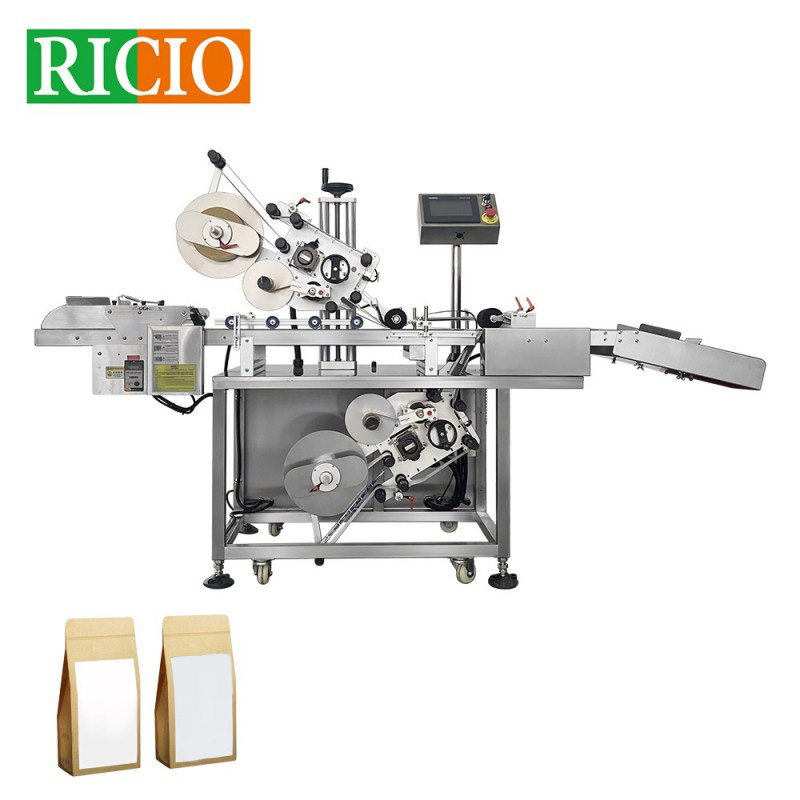
Automatic Paging Top and Bottom Pouch Labeling Machine
-
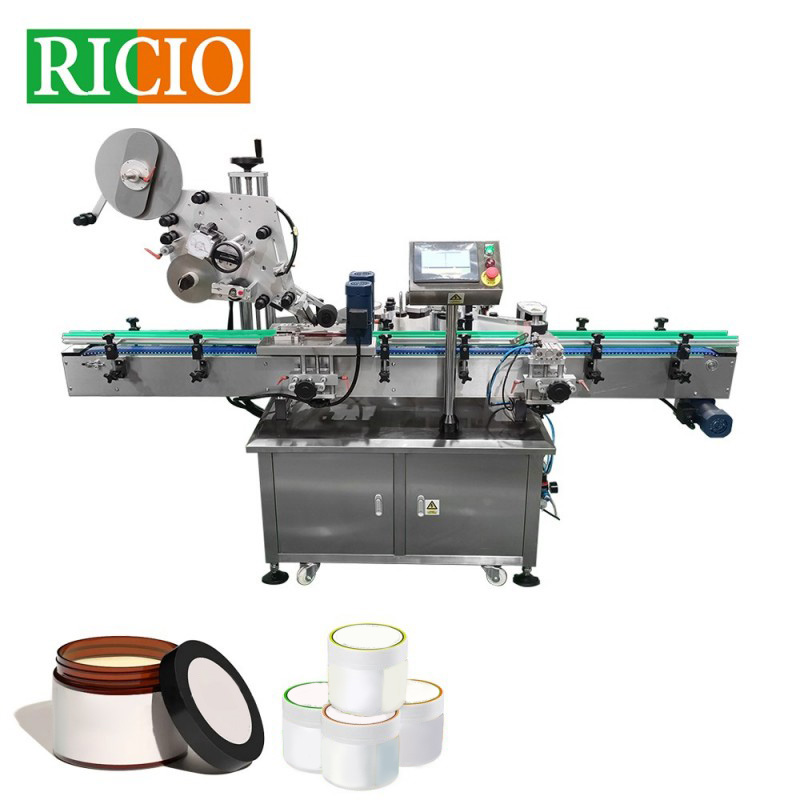
Automatic Round Bottle Side and Top Labeling Machine
-
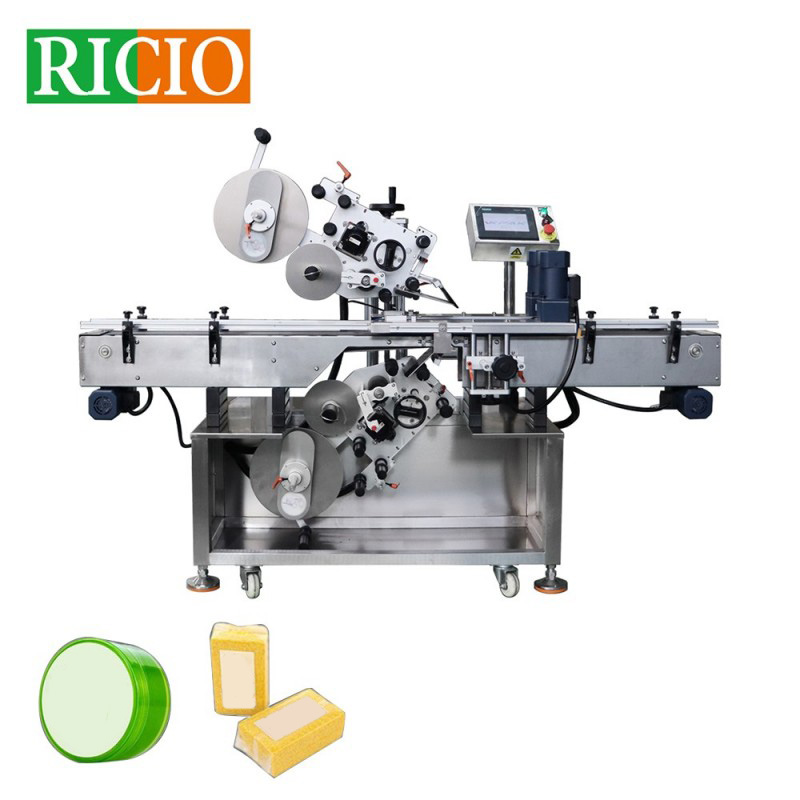
Automatic Top and Bottom Labeling Machine
-
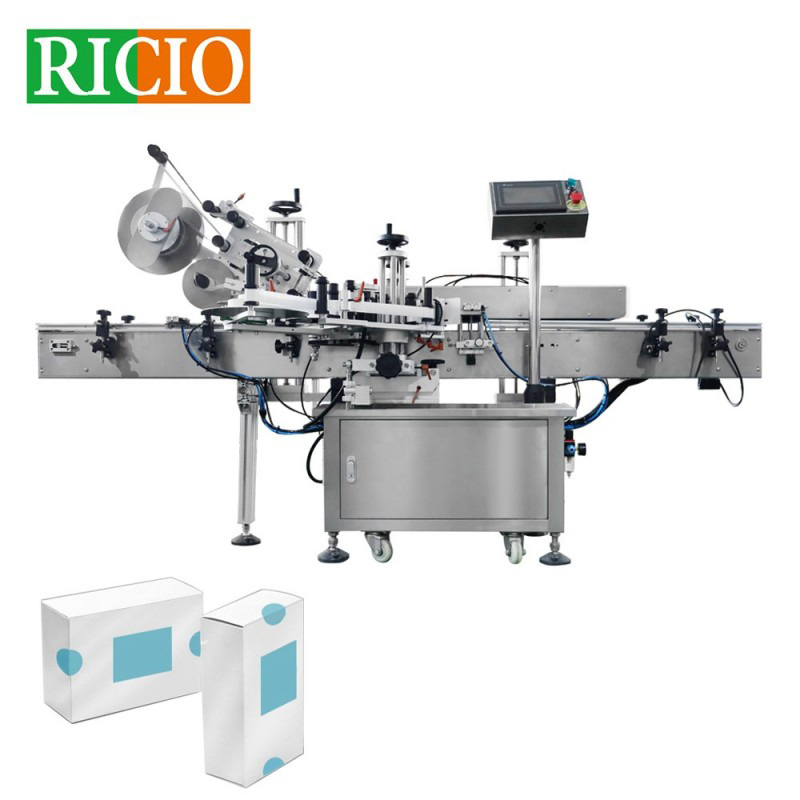
Automatic Top Side and Corner Label Applicator
-
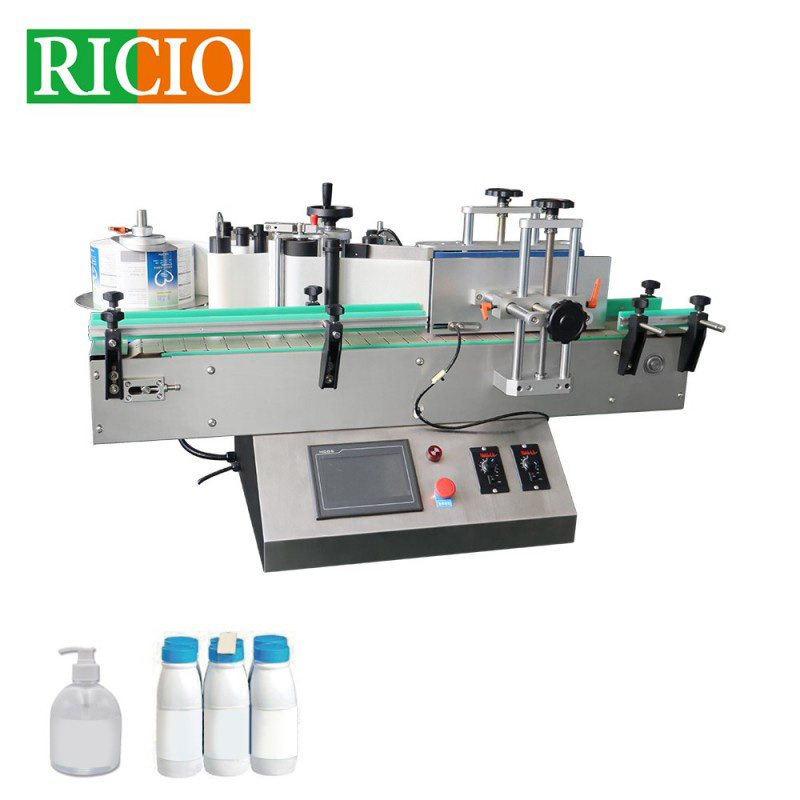
Automatic Round Bottle Tabletop Labeling Machine
-
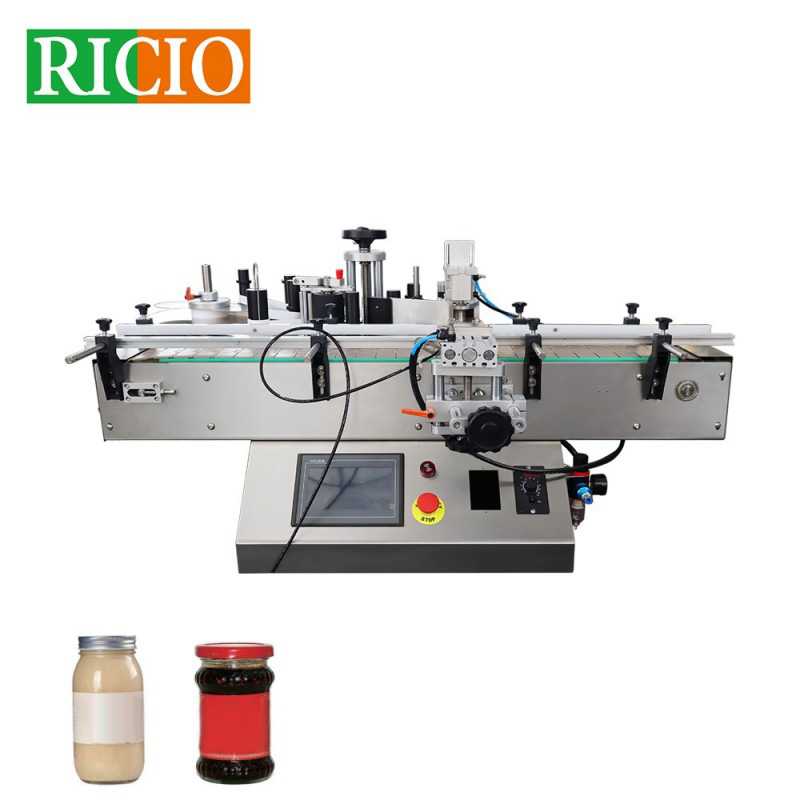
Automatic Round Bottle Positioning Tabletop Labeling Machine
related News
 +86 13681850339
 sales@raxpack.com
 Building 6, No. 477 Tiefeng Road, Baoshan District, Shanghai, China
- Tabletop Labeling Machine
- Round Bottle Labeling Machine
- Automatic Tube Labeling Machine
- Pouch Labeling Machine
- Rotary Labeling Machine
- Syringe Labeling Machine
- Top Labeling Machine
- Single Side Sticker Labeling Machine
- Double Side Labeling Machine
- Bucket Labeling Machine
- Bottom Labeling Machine
- Corner Label Applicator
- Waist Sealing Labeling Machine
- Square Bottle Labeling Machine
